This narrative captures but a fraction of the rich history of the neighborhood we know as Eastside. I have mentioned just a few of the many notable and longtime residents and no one is left out intentionally. A larger and more in depth story will one day be written.
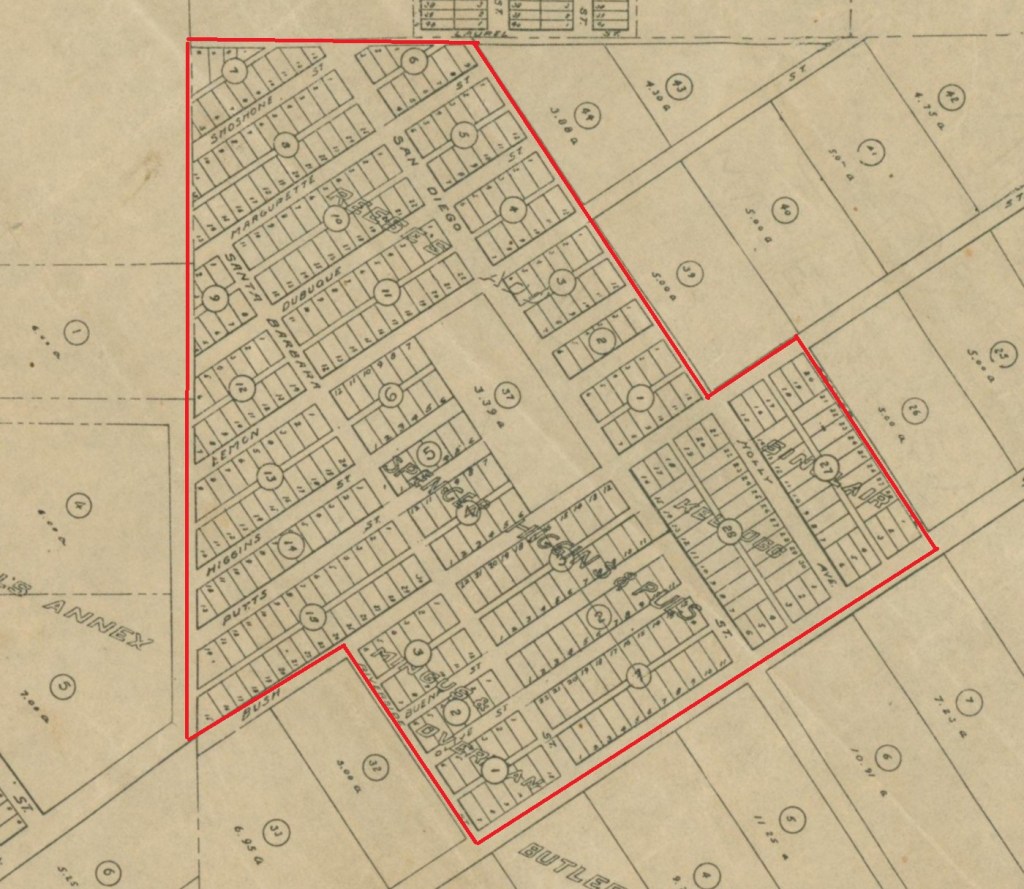
The original Eastside Neighborhood is made up of four small subdivisions, three of which were recorded in 1886 and one in 1887: Mingus and Overman Subdivision, Spencer, Higgins and Puls’ Subdivision, Kellogg and Sinclair’s Addition and Reece’s Addition.
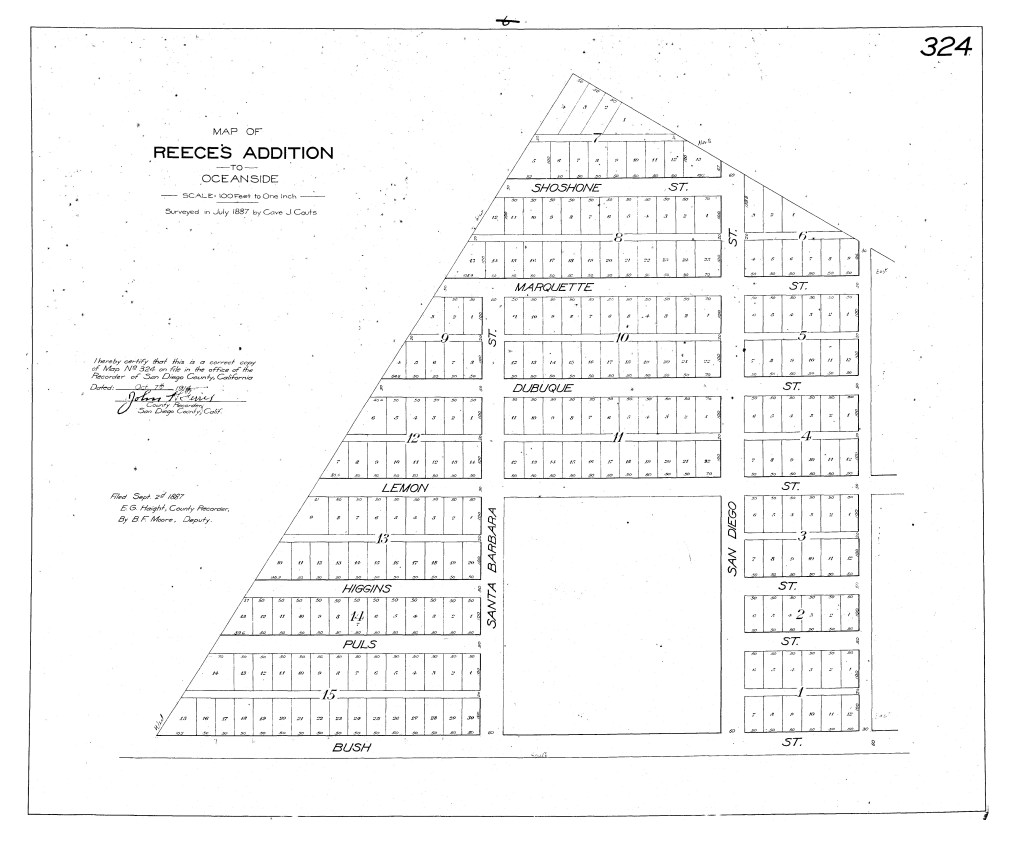
Decades before the term “Eastside” was used, the area was largely referred to by the name of the subdivisions, i.e. “Reece’s Addition.”
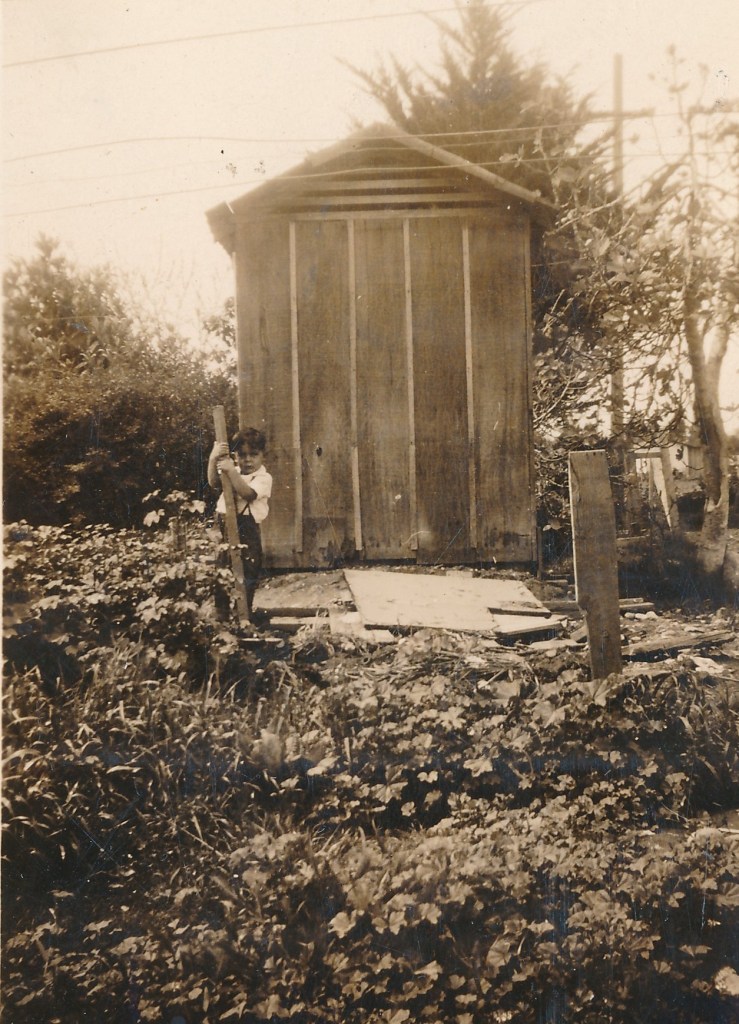
Eastside was not a name used until 1948 when the Eastside Sewer Improvement District was formed. For decades the area had no sewer system and homes were without proper bathroom facilities, relying on outhouses.
In the 1930s and early 1940s it was called “Mexican Town” or “Spanish Village.” But Eastside is often referred to by long-time residents as “Posole” and that name is attributed to a woman who epitomizes the hardworking residents of Eastside.
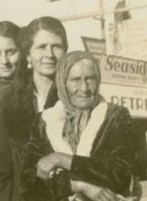
Anita Cruz Romero came to the United States from Mexico in 1910 with her son Ralph Romero. Mrs. Romero was one of the first residents in the Eastside neighborhood and purchased property and lived in a home on Higgins Street in 1914. Romero was a widow and made a living as a housekeeper for affluent Oceanside residents. To supplement her income, she sold her home-made soup. According to Eastside resident Aurora Soto Badillo, Mrs. Romero placed her soup in a hot pot on top of a little red wagon and walked throughout the barrio, shouting “Posole, posole!”
Oceanside had a population of less than 400 persons in 1900, and the area what we know as Eastside had no homes or buildings erected and remained “unimproved.” However, by 1910 many of the lots were used for agriculture or small crops by area residents and landowners.
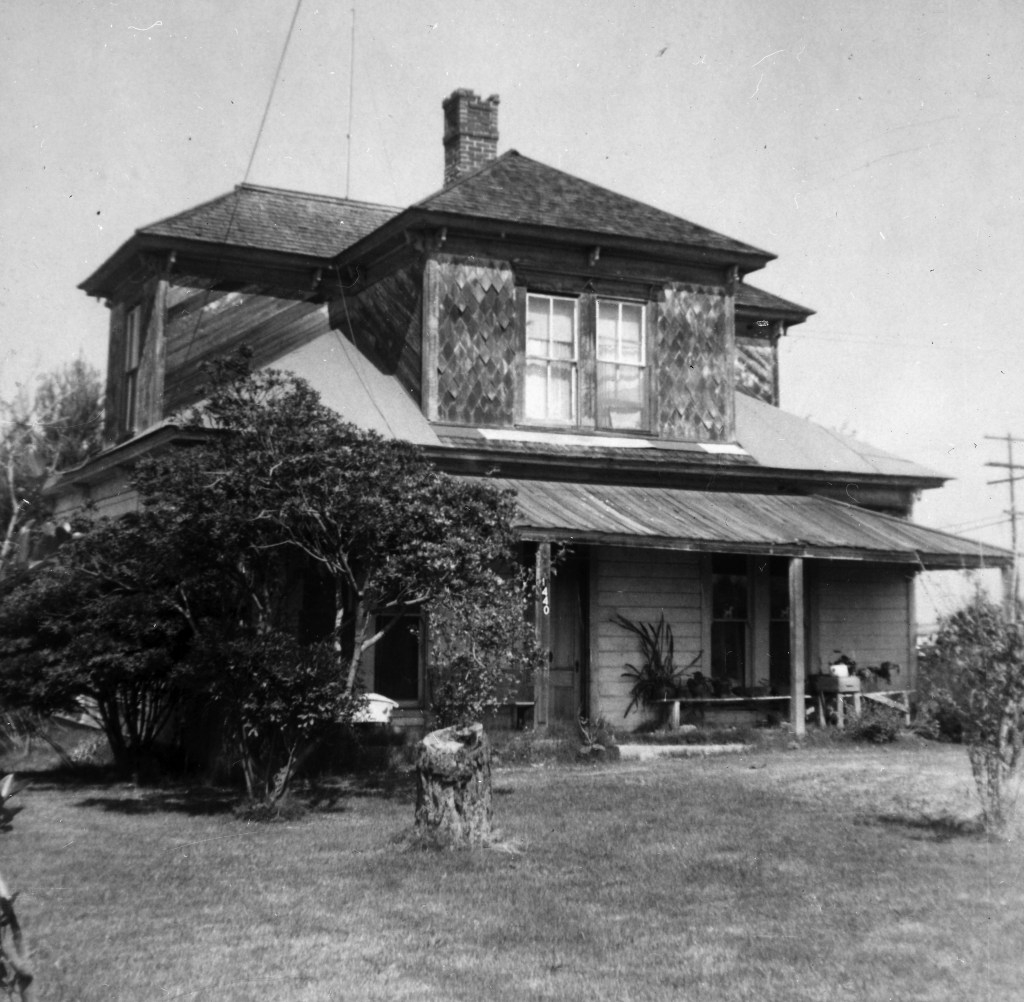
One of the first houses built was the Mayhew house that fronted Mission Avenue in about 1912. Two years later Anita Cruz Romero would have a house built on her Higgins Street property.
The population of Eastside began to increase as Mexican immigrant families slowly begin to settle in what would be known as Eastside. The 1920 US census shows that approximately 14 Mexican families were living on or near Bush Street.
In 1930 Jemmie Berry Hayes was one of the largest property owners in Eastside. She was the wife of Fred Hayes, who was the son of John Chauncey Hayes, one of the earliest residents of Oceanside and a long-time realtor. Another large property owner was Anna Curran. She, too, was the wife of a realtor. These two women bought and then sold lots to many of the families that settled in Eastside over the years.
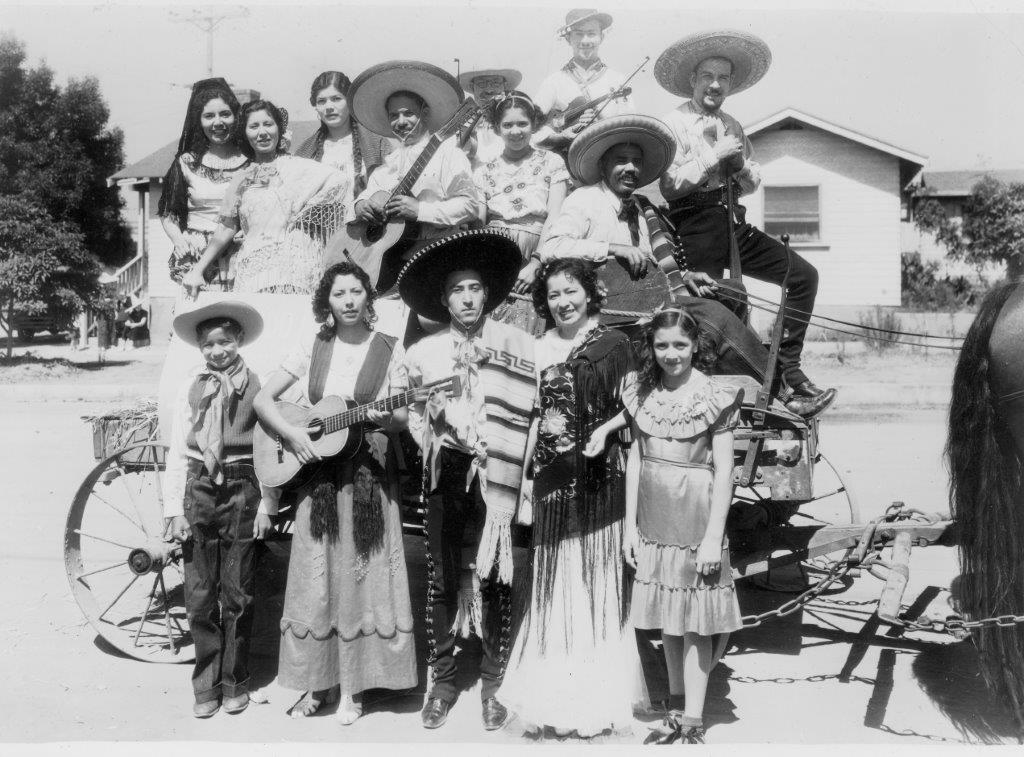
Early residents, settling in the 1920s and the 1930s, included Zeferino Nares, Ramon Sanchez, Victoriano Ruiz, Joaquin Vasquez, Atenogenes Magana, Jesus Valenzuela, Salvador Gonzalez, Santiago Gomez, Felipe Badillo, Jacinto Soto, Jose Lopez and others.
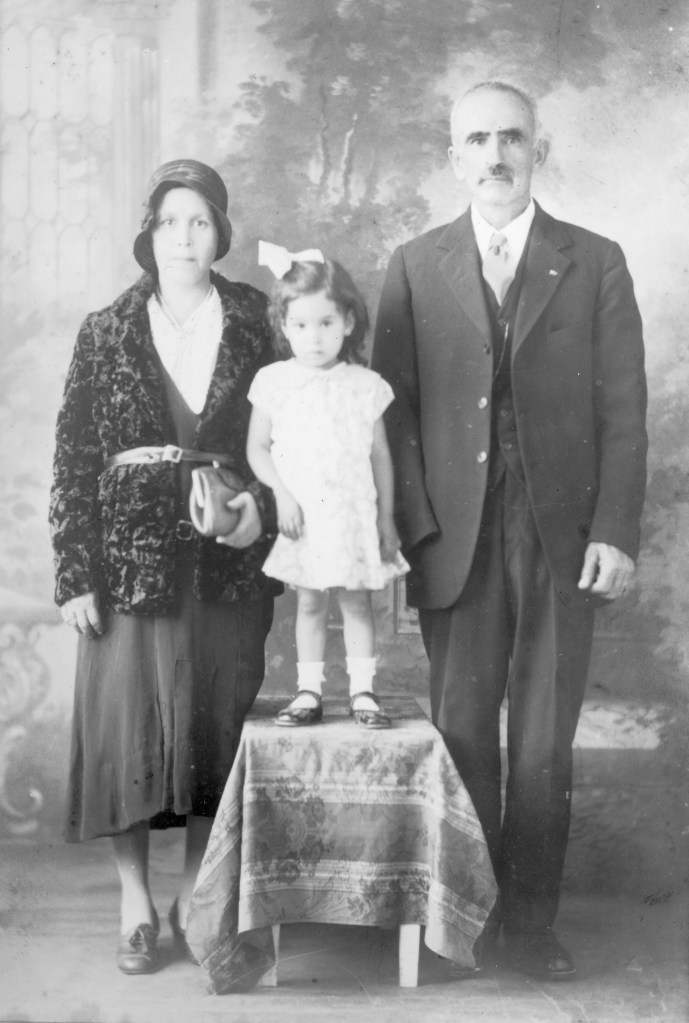
Guillermo Aguilera came to the US from Mexico in 1914 arriving in Oceanside about 1926. He and his wife Petra had ten children. He supported his large family by working in agriculture but also built several homes in Eastside even though he was missing a hand. They lived in a home at 402 San Diego Street, which he built.
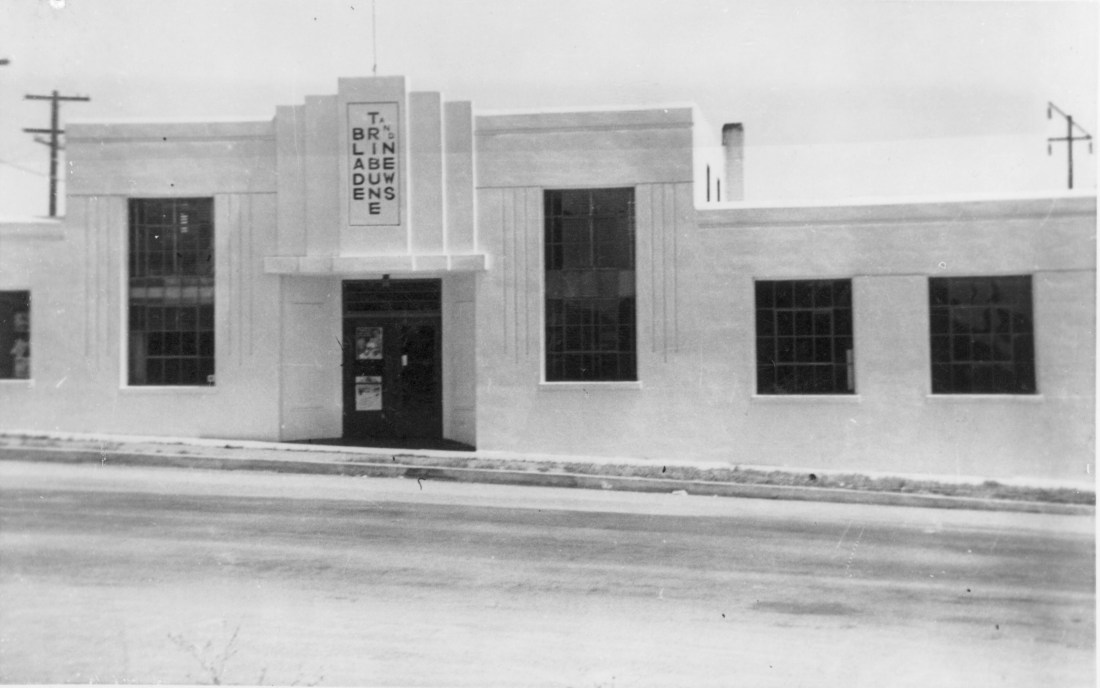
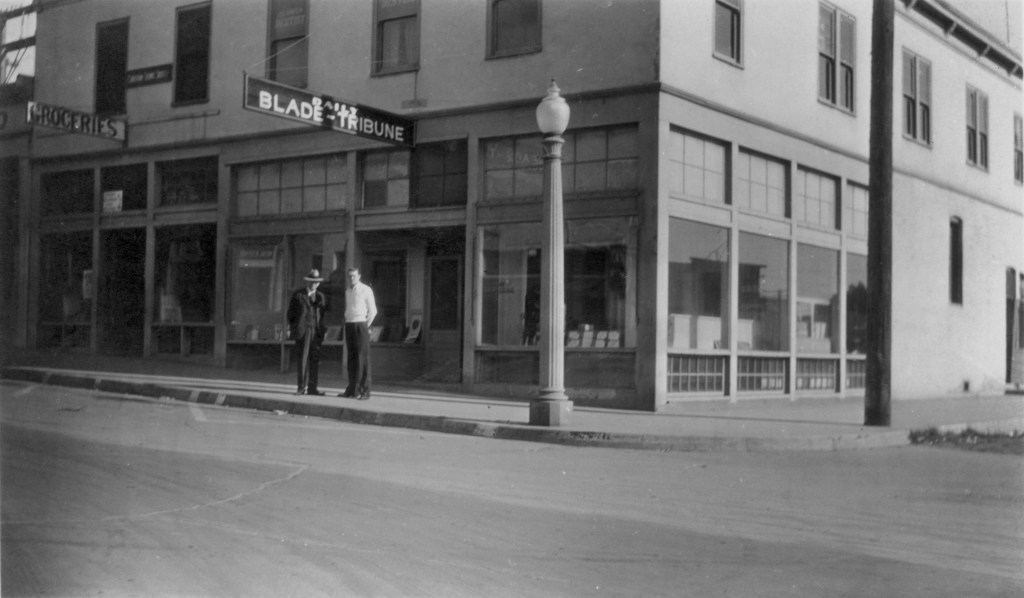
By the late 1920s, the necessity for a proper sewer system for the areas outside of downtown Oceanside was evident. Eastside and other sections were lacking sanitary services. In the March 29, 1929 edition of the Oceanside Blade Tribune newspaper was this report:
WILL MAKE A SEWER EXTENSION.
Unsanitary conditions existing in a portion of the eastern part of the city where the subject of a communication to the city council from inspector W. P. Jensen at their meeting Wednesday evening.
It was stated that in that territory included in Spencer, Higgins and Puls Addition, Reese’s Addition, Wilder Tract, Wilson & Patton Addition, Mingus and Overman Addition, Kellogg & Sinclair Addition, portions of Butler, Groves, and Gleichner’s Addition, Boheim Tract, and Timken & O’Bear’s Addition, that the soil is of such character, underlaid by a hard pan, that the effluent from septic tanks will not penetrate and seep away, but remains on the surface and eventually creates an unsanitary and dangerous condition.
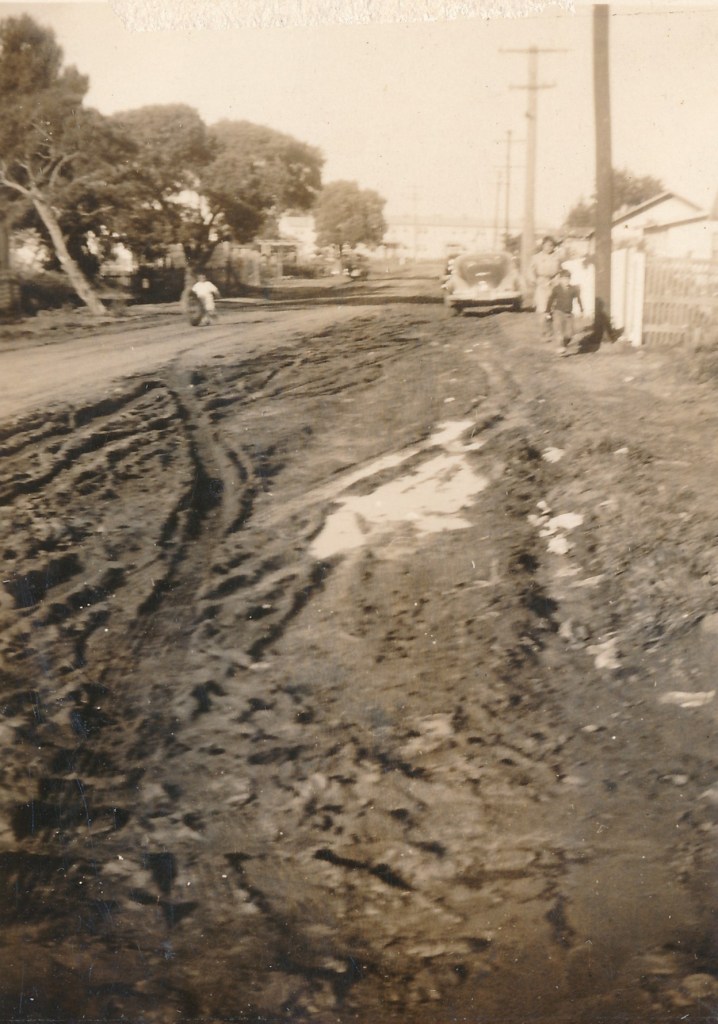
It would take two more decades for Eastside to have a sewer system in place. When it rained the septic tank systems and outhouses would overflow, filling yards and running down streets.
In 1930 the first known Black residents moved to Eastside. Orange Hinkle and his wife Irene were renting a home on Lemon Street. His neighbor was Casimiro Soto, who was a property owner.
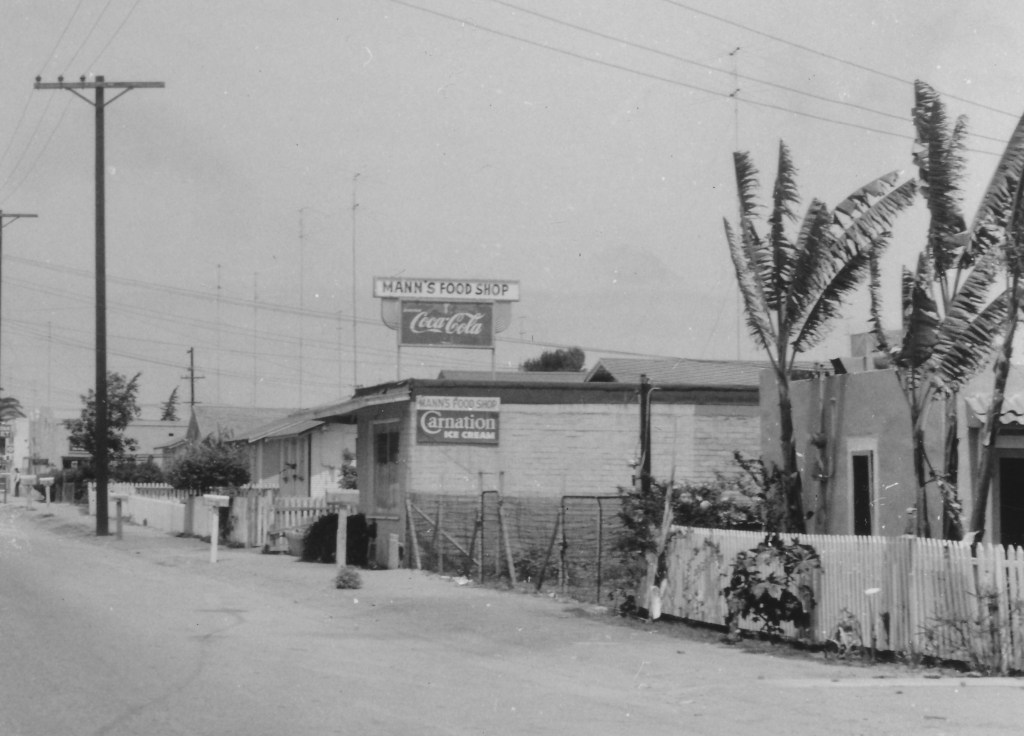
In 1938 John and Charles Etta Mann moved to 214 San Diego Street, the first known Black property owners in Eastside and long-time residents.
During and after World War II, the Black population increased due to the military and more job opportunities. Early Black residents were told to live in Eastside. C. R. Roberts remembered that his father was a railroad worker and they first lived on South Cleveland Street when his parents were told to move to “Mexican Town.”
The Eastside Neighborhood was segregated and separated in many ways. Eastside was separated from the rest of Oceanside by a large canyon or gully (now Interstate 5). In the 1930s their children, many of whom spoke only Spanish, were sent to the Americanization School on Division Street where they were immersed in English. Pete Magana recalled that teacher Mrs. Beth French was beloved by the students.
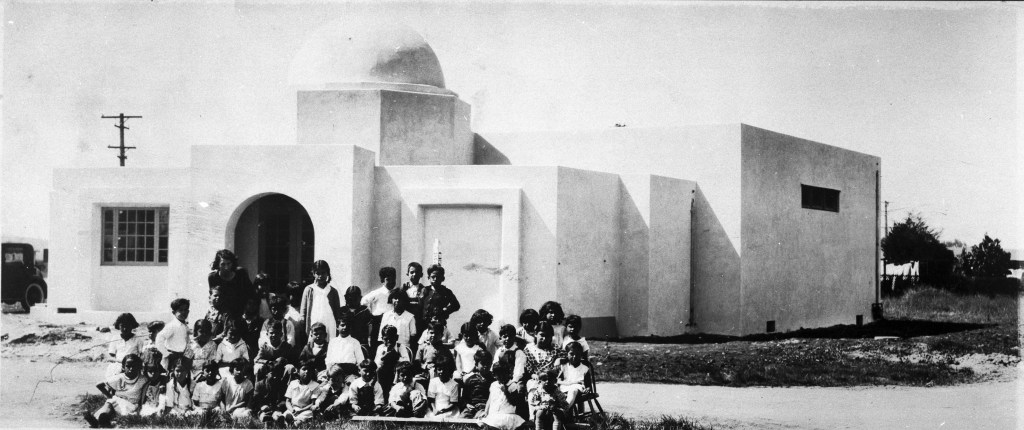
In 1939 the original St. Mary’s church was moved to Lemon Street. This became an important addition to the neighborhood for Catholic parishioners.
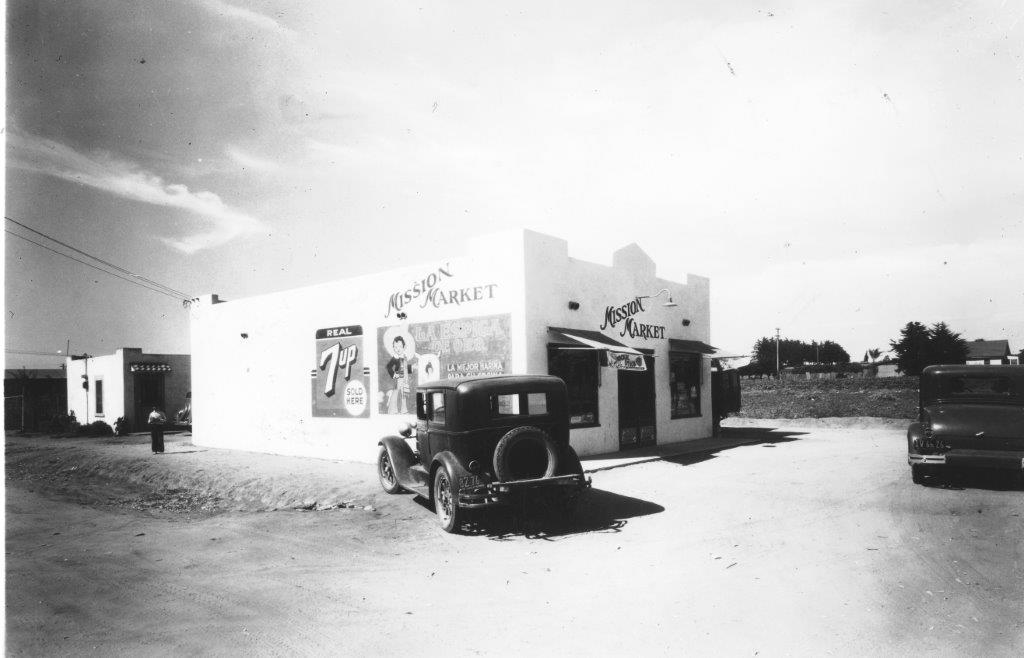
The Mission Market, on the corner of San Diego and Mission, was established in 1937 and was owned by Manuel Castorena, who purchased the land and a small house from Leslie Carter.
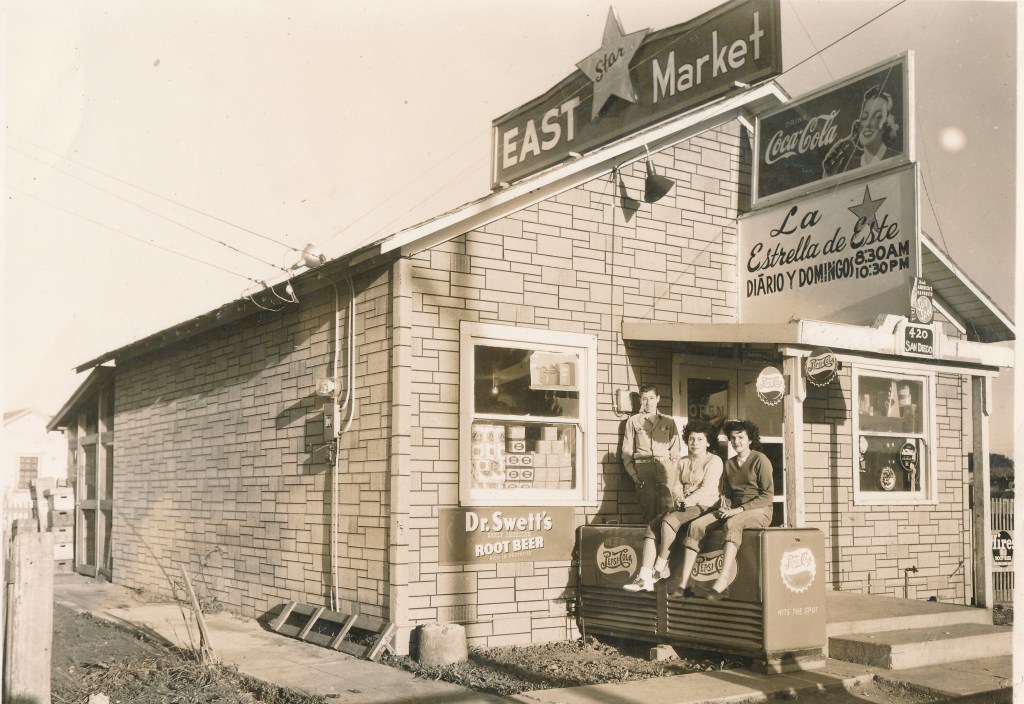
Bartolome Chavez opened a bake shop as early as 1930 on the corner of San Diego and Bush Streets. This would later become known as the East Star Market and operated by sisters Marie and Lucy.
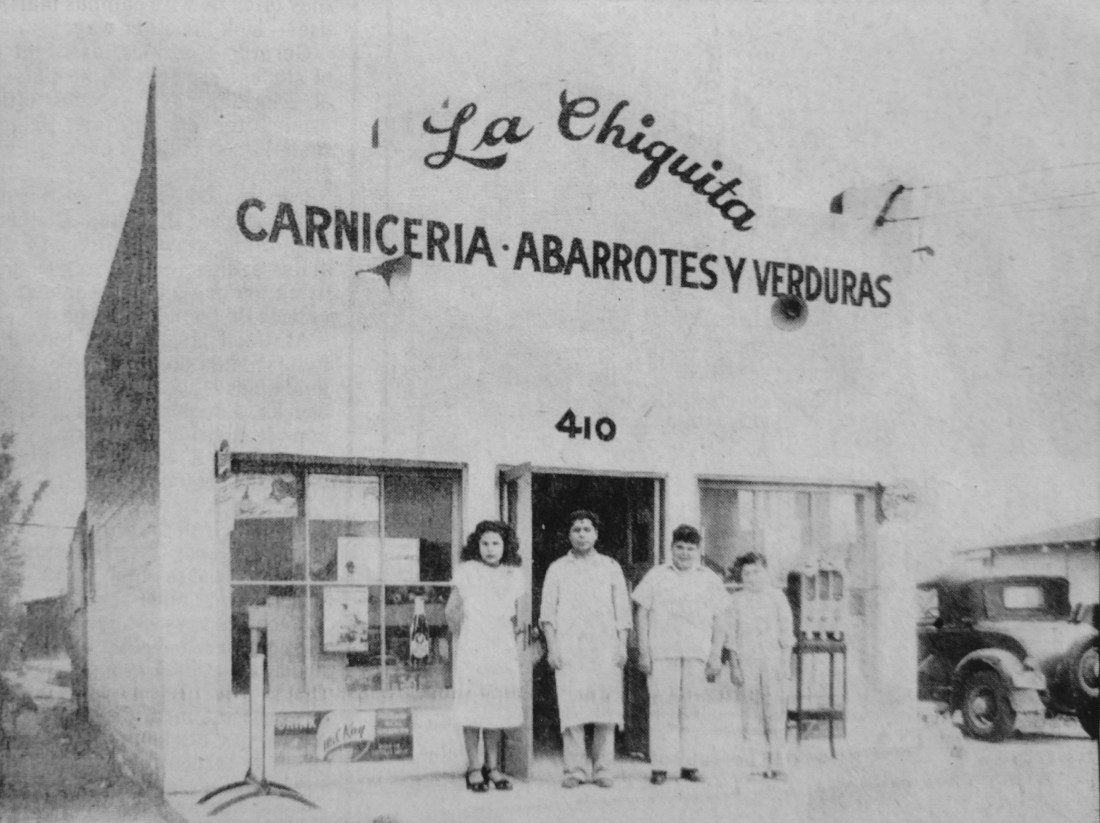
Ygnacio and Socorro (Duarte) Adame migrated to Oceanside from Michoacan, Mexico in 1926. They moved to the “Eastside” community, also known as “Barrio Posole”, and established a home at 408 San Diego Street. In 1945 they established the La Chiquita Market next door at 410 San Diego Street where Socorro cooked and sold fresh tortillas and tamales.
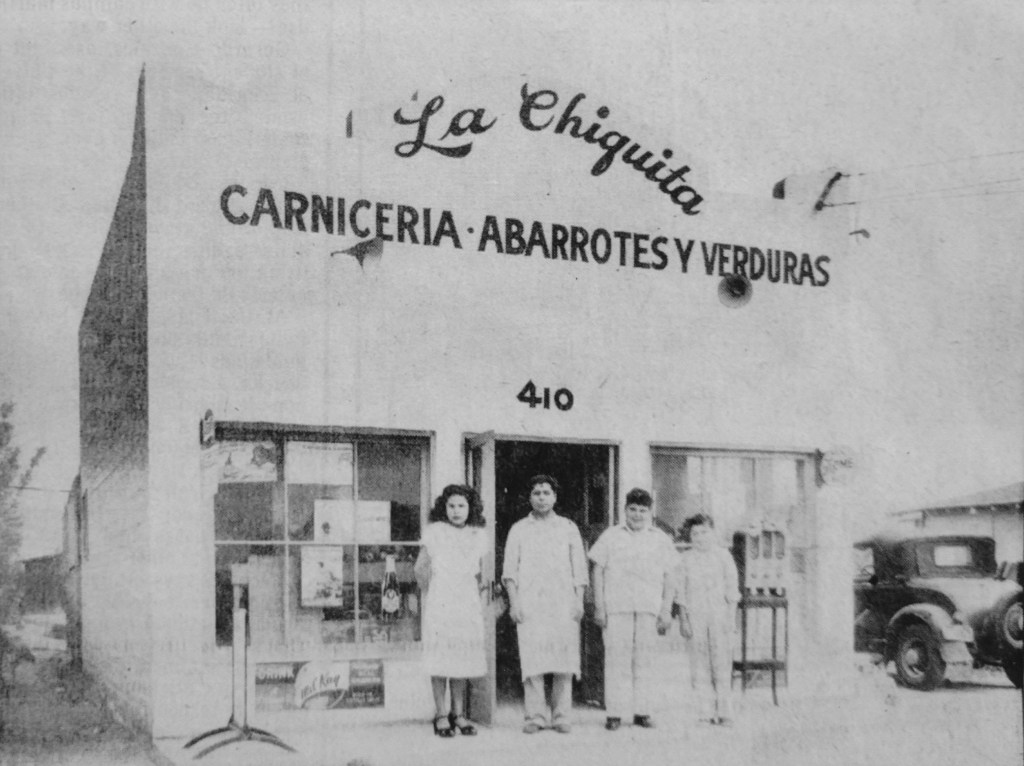
These markets were important to residents because the owners were their neighbors and they sold products that were desirable by the neighborhood and not available in other local stores.
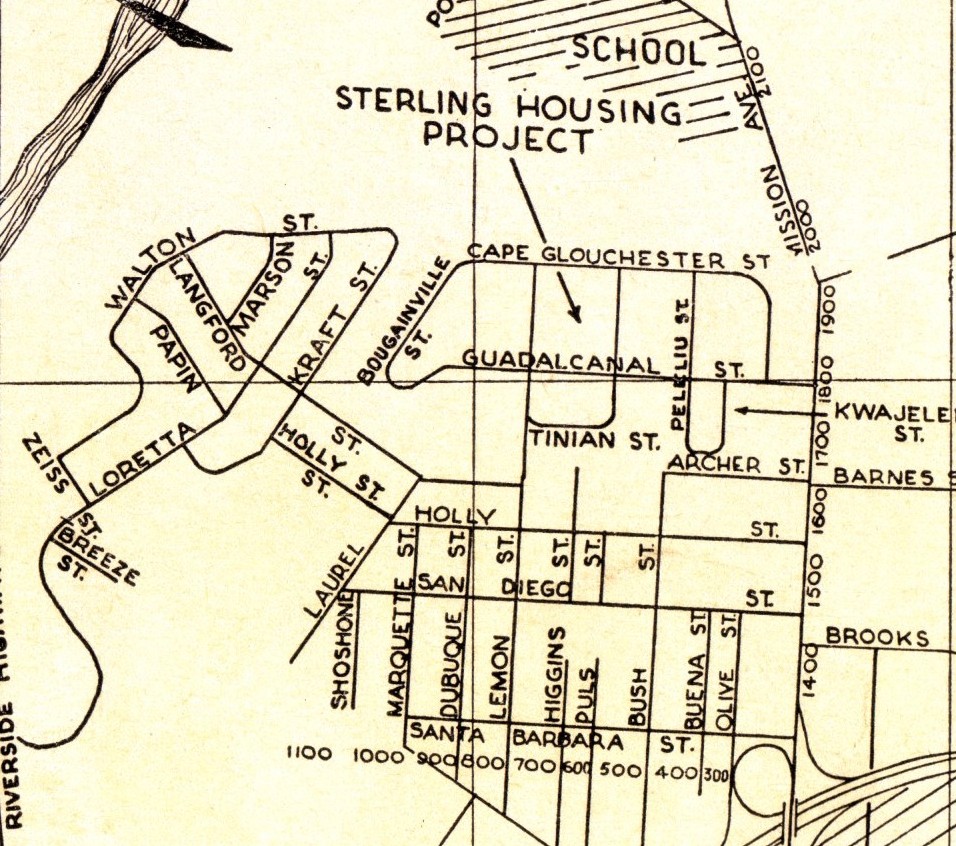
Sterling Housing was a large Federal Housing development for the military and their families built in 1948. 648 units were built on 45 acres and was nearly the size of Eastside itself.
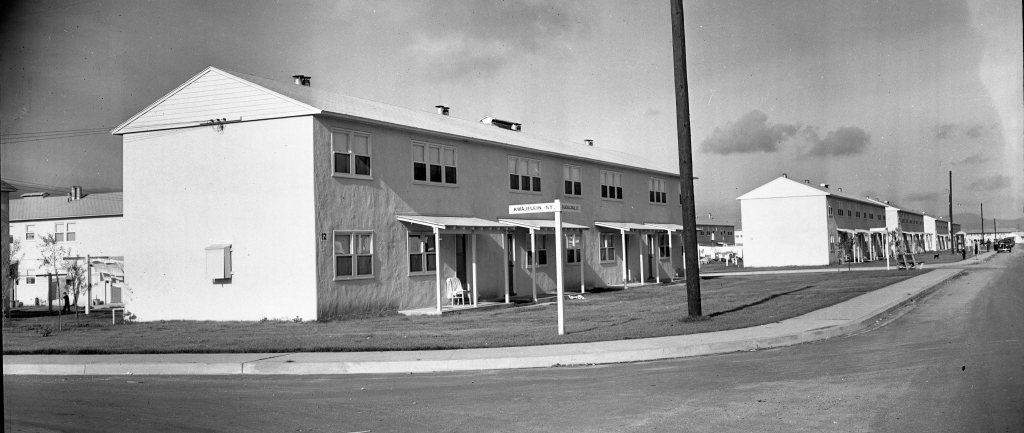
This military housing complex impacted the neighborhood with construction work, increased traffic, etc. But even though Sterling Homes was connected to a brand-new sewer line, Eastside was bypassed altogether leaving residents dismayed.
As the Black population continued to increase in Eastside, a need to congregate and worship became paramount. In 1945 the Friendly Church of God in Christ was established at 1015 San Diego Street.
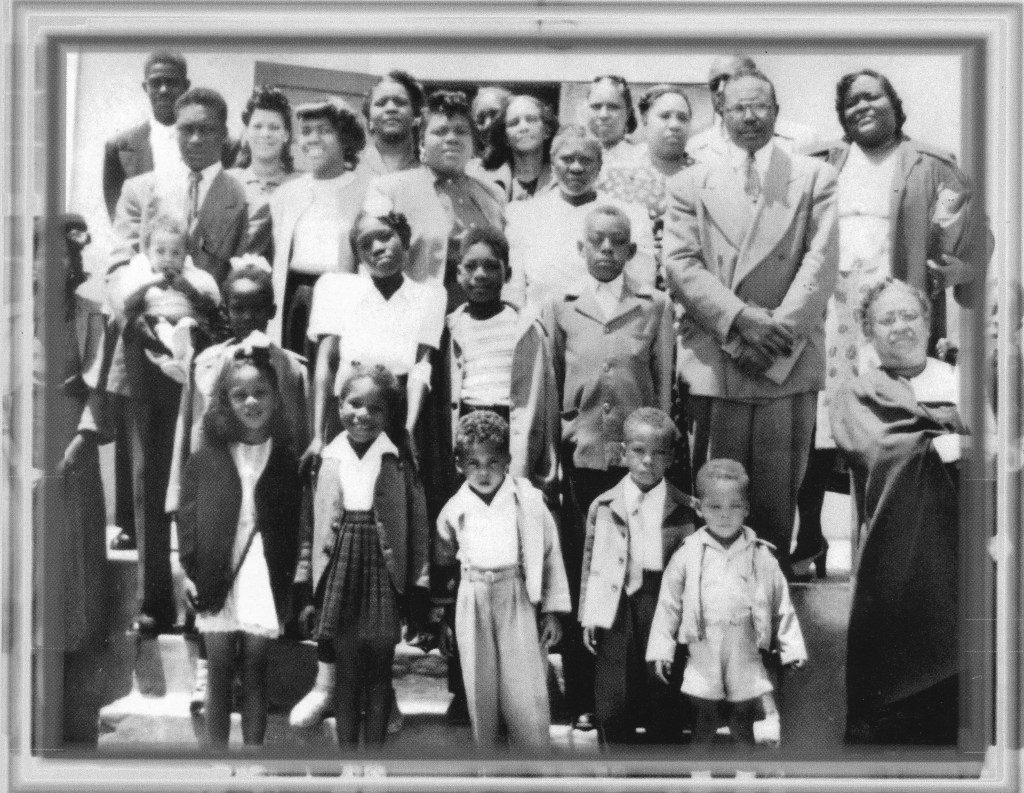
Walker Chapel AME was established in 1949 on Laurel Street. Two additional Black churches were founded in Eastside: St. John’s Missionary Baptist and Shiloh Church of God in Christ.
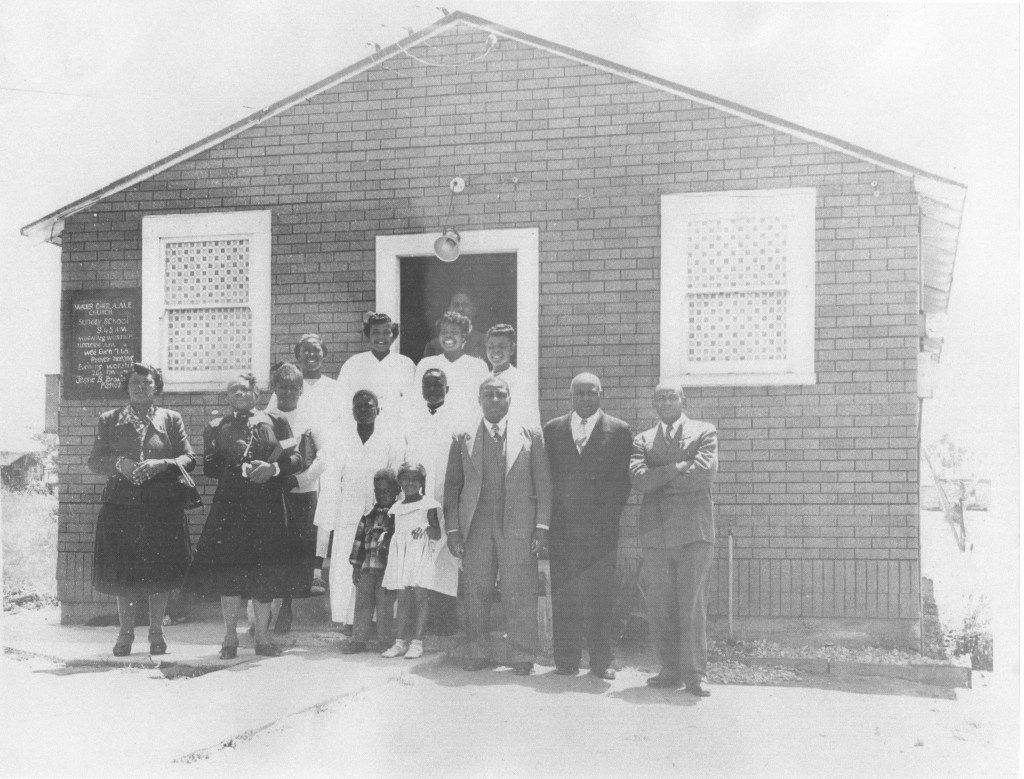
These four houses of worship attested to the growing Black population, and their roots in the Eastside neighborhood.
In 1948, Charles Etta Mann opened a restaurant at 214 San Diego Street. It would later become a small market which doubled as a meeting place for Eastside’s Black residents. (After her first husband’s death, Charles Etta would later remarry to Wesley Allen and most remember her as Charles Etta Allen.)
In 1948, Lucy Chavez, an advocate for the neighborhood formed the Eastside Association. At a city council meeting she argued that “east side” taxpayers had paid taxes on sanitary facilities for 20 years, but they still had no sewage facilities. She alleged that a fund that was once set aside for the work was used elsewhere.
In June of 1949 Joaquin Vasquez, president of the Eastside club, implored the council with the urgency and said that nearly every lot in the east side had “13 holes dug in it, and we can’t dig anymore.”
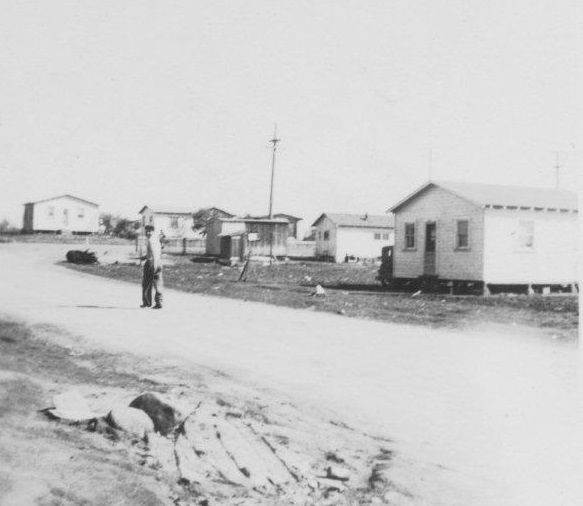
Even after a proper sewer system was approved and installed in 1949, three streets were left out, Dubuque, Shoshone and Marquette. These streets were largely inhabited by Black residents. Gilbert Woods petitioned the City Council in 1954 to get the needed sewer lines installed which was approved that October…. but they had to wait an additional five years for equal facilities!
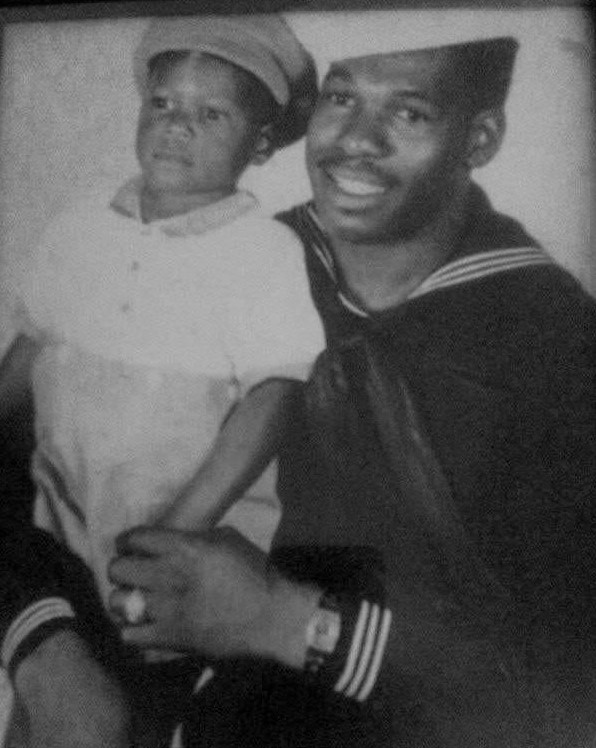
In 1953, a new subdivision was built just northeast of the original Eastside neighborhood. 200 two-and-three-bedroom homes, built for military personnel and civil service workers at Camp Pendleton by the Mongollon Construction Co. opened that year. This new subdivision included sidewalks, paved streets and a sewer system. However, residents had to drive on dirt roads through Eastside to arrive at his new subdivision that was connected to their neighborhood. The dust and dirt construction crews and passenger traffic would fill the homes of residents, coat their vehicles and even the laundry that was left out to dry on clotheslines.
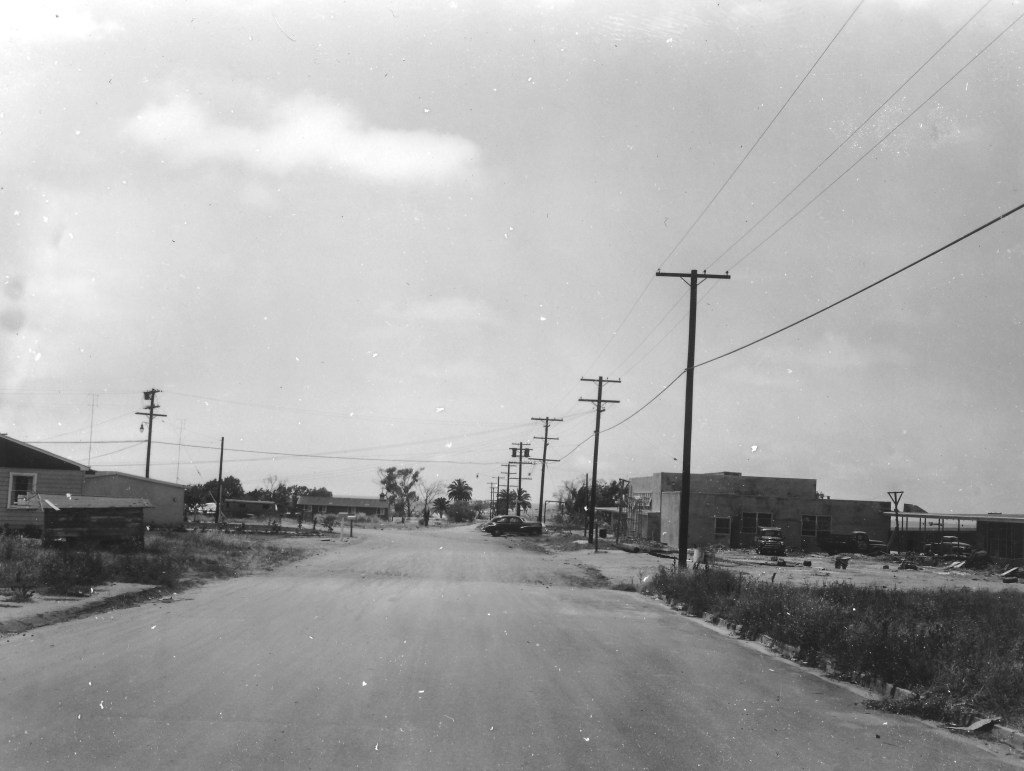
As late as 1954, the Eastside Neighborhood did not have paved streets or sidewalks.
Construction for Laurel Elementary School began in 1954, which opened in 1955. Prior to this, elementary students went to what was called Mission Road School.
Before Laurel School could be built the Kosaka house and farm had to be removed from the site. The Kosaka family had been interred in camps during World War II and settled in Eastside in the late 1940s. There were many Japanese families living in and around Oceanside before and after the War.
Eastside continued to diversify with addition of Samoan and Filipino residents. Florrie and Amio Faumuina came to Oceanside in 1958 and were among the early Samoan families to live in Eastside. Samoan families lived in homes in the “new” Eastside in the late 1950s and early 1960s. Junior Seau and his family lived in this home at 1424 Zeiss Street.
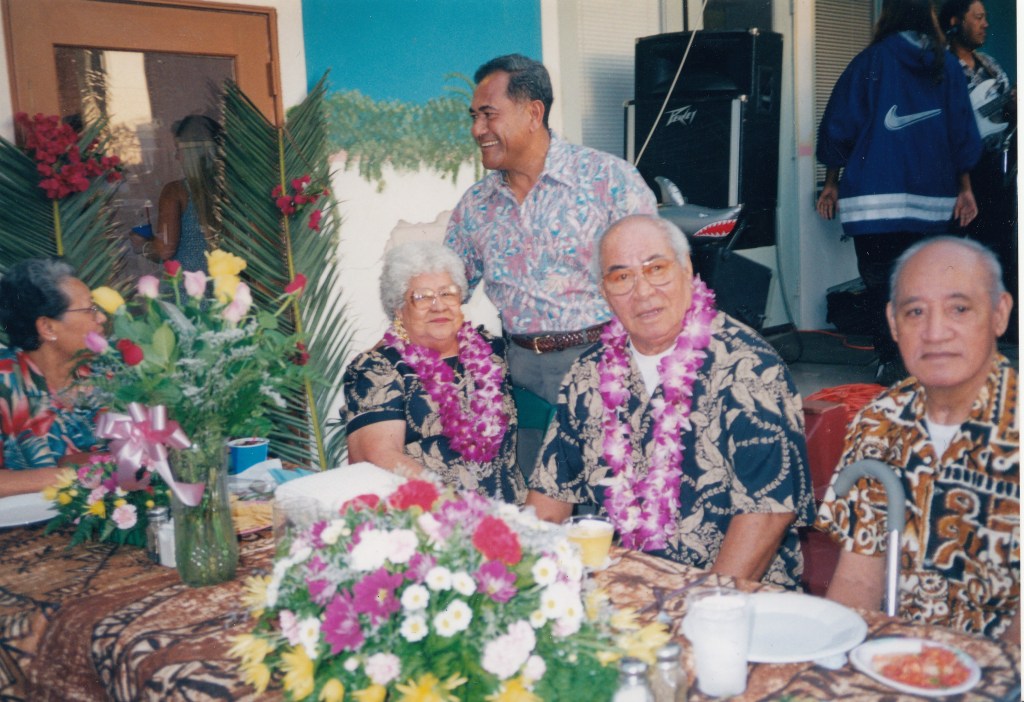
In 1957 Eastside dedicated its own community center. It was noted that the building was “begun by a group of people – not officials, not councilmen, not rich men, not poor men, but citizens who lived in the neighborhood.” Residents took it upon themselves to build, plaster, pour cement and raise funds to make the center a reality.
In April of 1969 a groundbreaking was held for the new $300,000 Eastside Neighborhood Center. It would become the Balderrama Recreation Center.
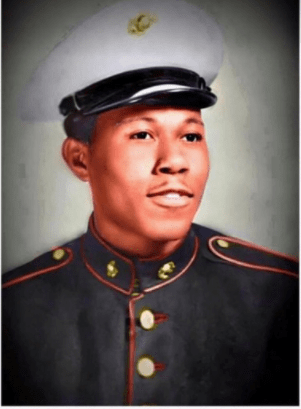
At the request of the American G.I. Forum, the name of the park was changed by the city council on Aug. 9, 1967 from the Eastside Recreation Park, to the Joe Balderrama Recreation Park in honor of John “Joe” Balderrama who was killed in action during World War II on October 13, 1944.
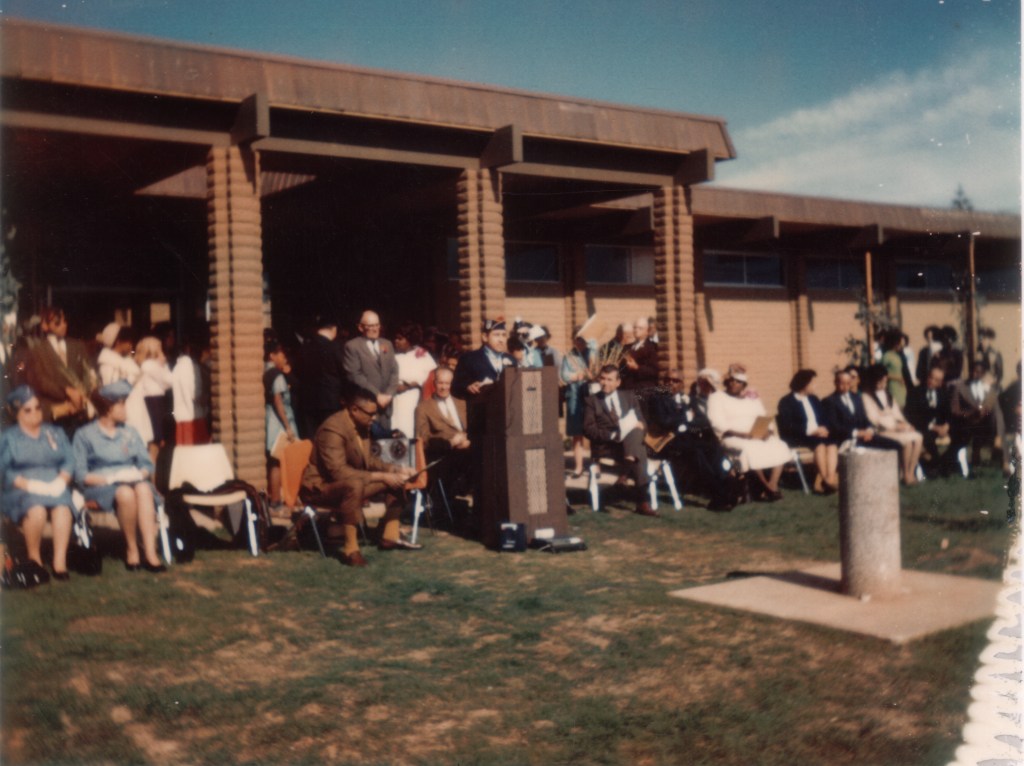
Dedication of the new rec center was held in January 1970 with a diverse and inclusive program featuring “rock music, an Afro-American Club program, a karate demonstration, a Polynesian show and a program presented by the Golden Age Club.”
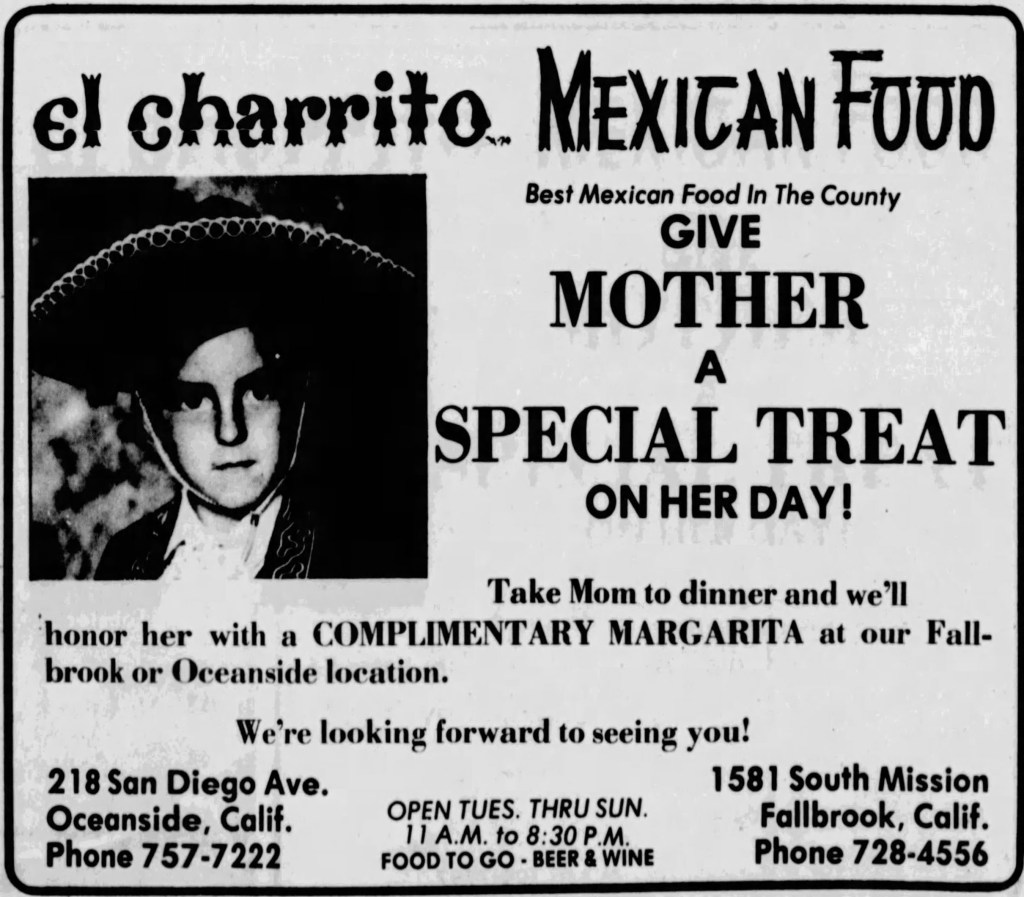
The Gobbi family opened El Charrito Restaurant in 1966 at 1426 Mission Avenue and about a year later moved it to 218 San Diego Street. This restaurant was a neighborhood focal point, much like the new recreation center, but it also brought customers from outside the boundaries of Eastside, for the authentic food and welcoming atmosphere.
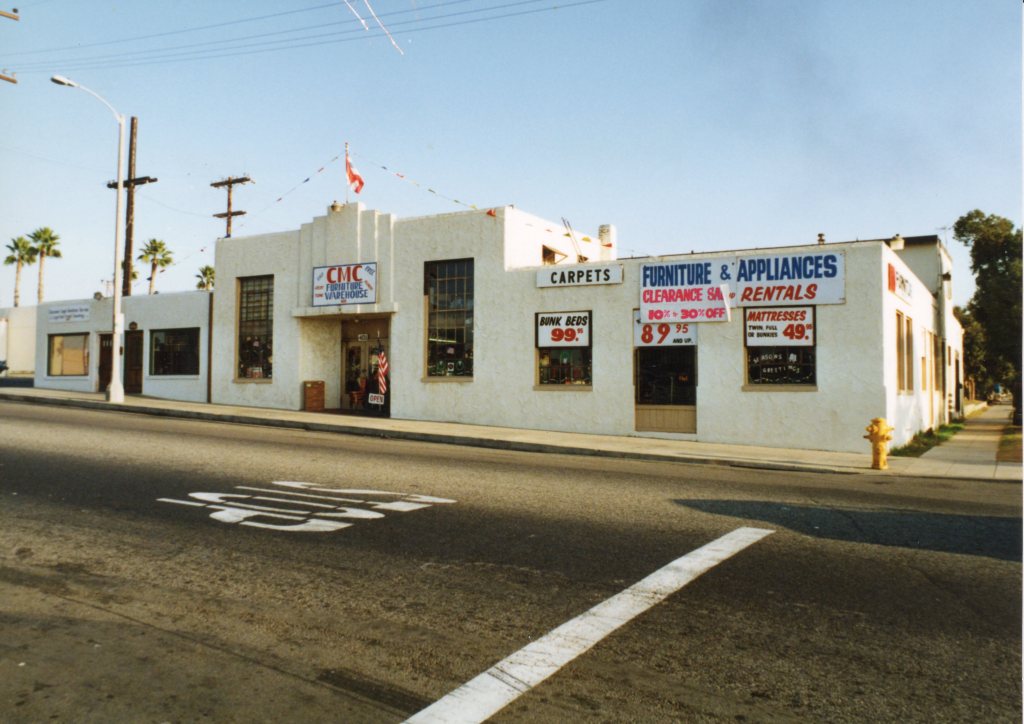
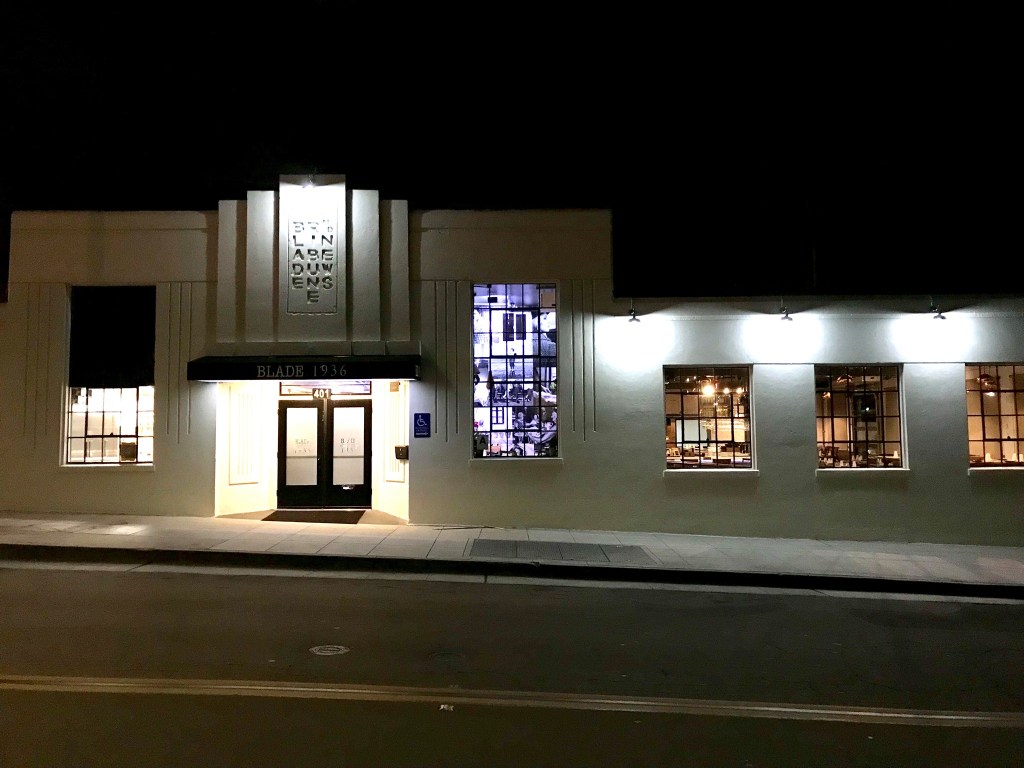
In 1968 Roosevelt Campbell had this retail building built at 401-409 San Diego Street. It originally housed three Black owned businesses: The Progressive Barber Shop, The Progressive Café and the Progressive Beauty Shop.
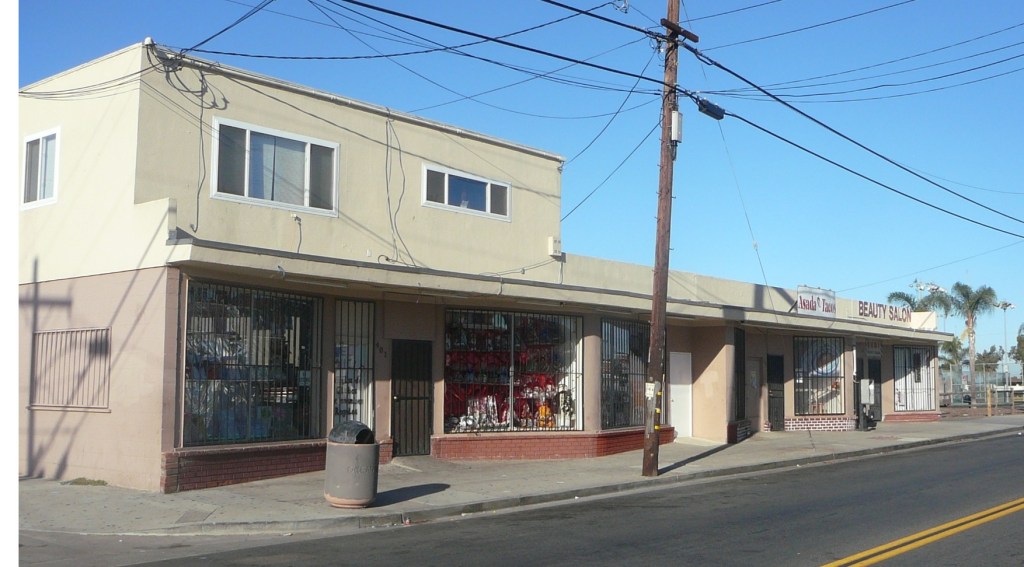
Roosevelt Campbell and two other Black businessmen, George Mitchell and Oscar Culp, joined together to open GEBS and later CMC Furniture.
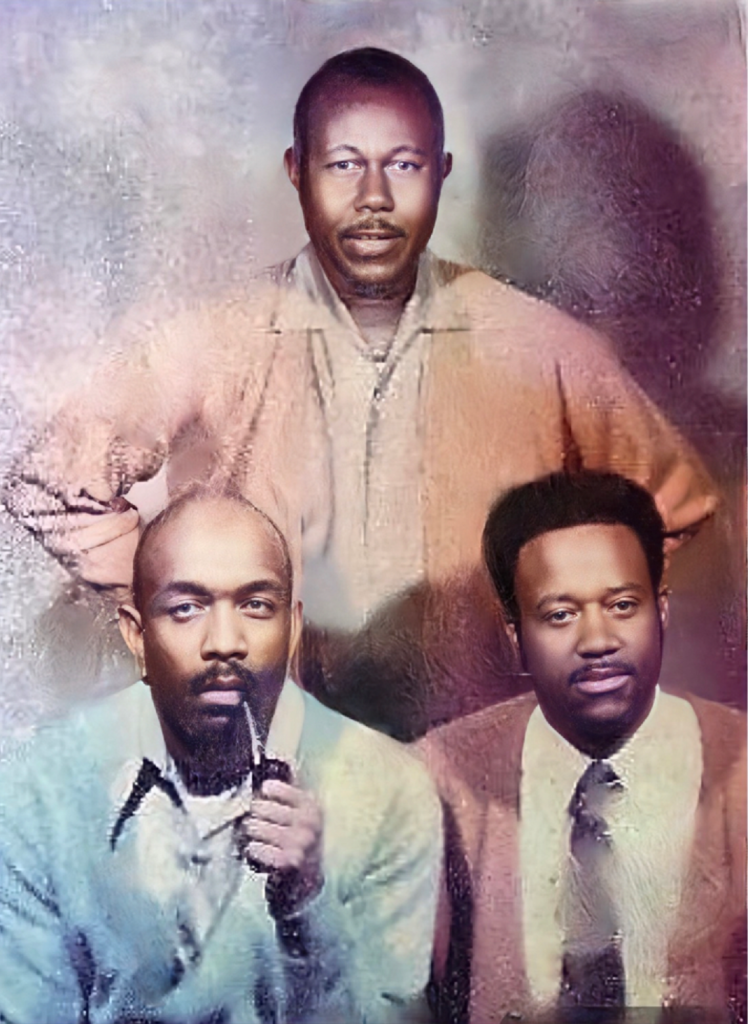
Along with community advocates such as Lucy, Marie and Joe Chavez, Eastside had a number of devoted residents including Concha Hernandez Greene, who became one of its most dedicated residents known for her community activism.
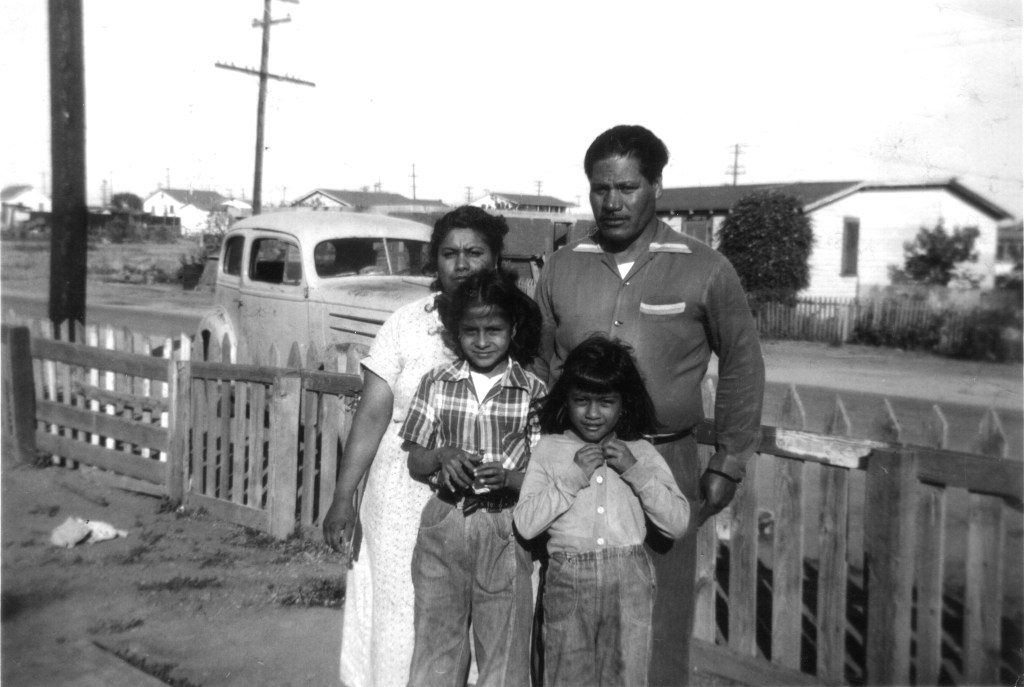
Pete Magana, born 1928, was a lifelong resident of Eastside. He founded the local chapter of the American GI Forum, a group comprised mainly of Latino veterans who raised scholarship funds for needy students. He was twice named Oceanside Citizen of the Year, first in 1972 and again in 1983. For 15 years he was the Laurel Elementary School PTA President.
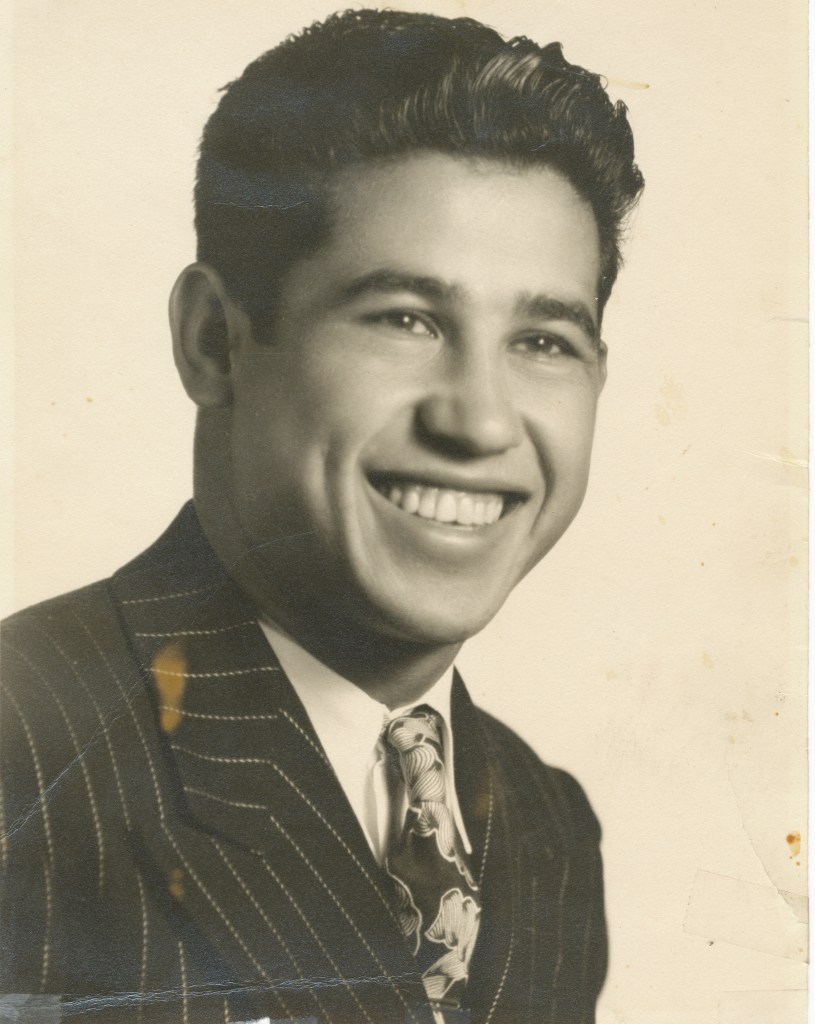
Two of Oceanside’s mayors have roots in Eastside, Terry Johnson and Esther Sanchez, and Laurel Elementary School has a Hall of Fame which celebrates the achievements of Eastside students who have excelled, even in the hardest of times of inequity.
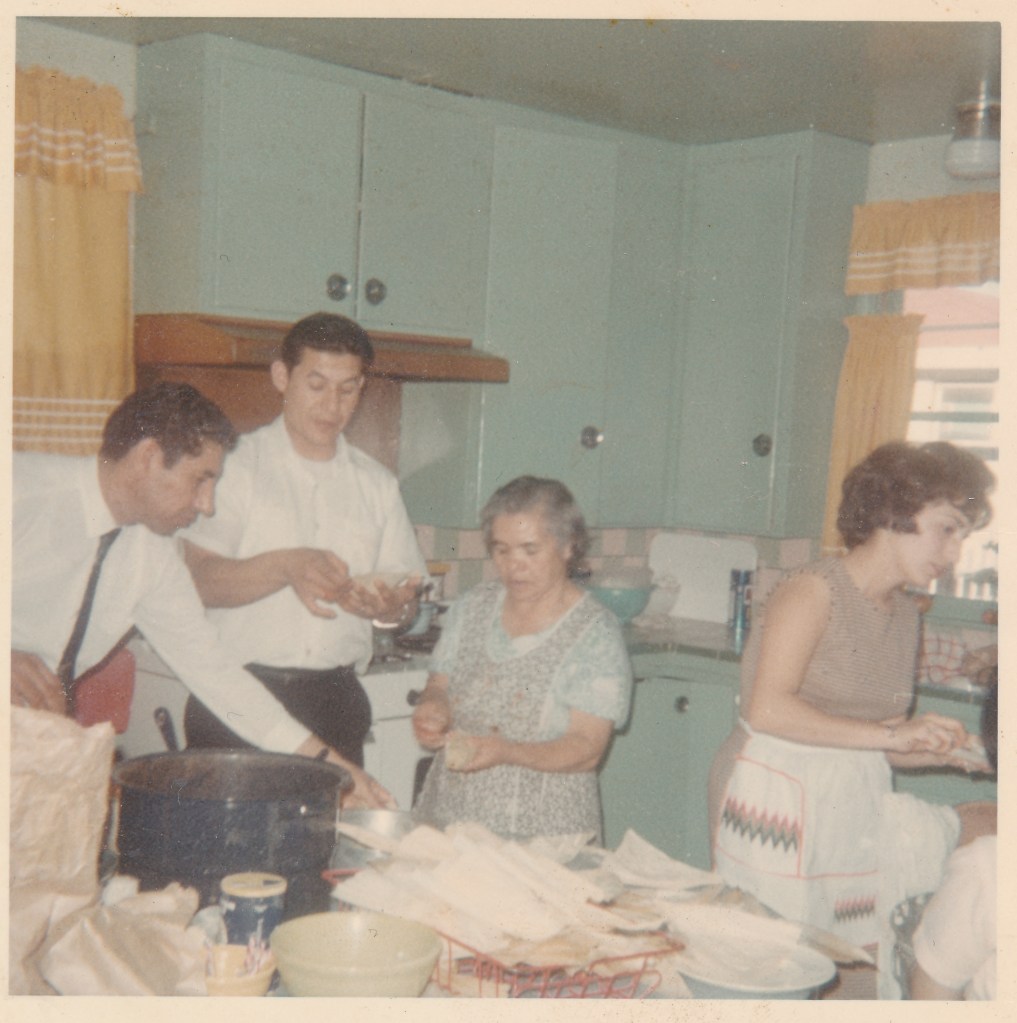
Eastside is a unique neighborhood with its own history within and apart from Oceanside. It reflects the diversity and tenacity of its residents, who were separated from a quality-of-life afforded others, but lived their lives in dignity and determination, often unseen, but who have their rightful place in our history.