Oceanside has several notable landmarks including the Pier and the historic Mission San Luis Rey. However, one of the most notable and beloved landmarks is what we know as the “Top Gun” House. It has been newly restored, in all its Victorian-detailed glory, nestled within a new oceanfront resort on North Pacific Street.
Sarah and Henry Graves pose in front of their newly built cottage in 1888. Note the train depot to the left and the small house located behind the property to the right. (photo courtesy Save Our Heritage Organization)
To tell the story of the “Top Gun” house, we need to go back to the earliest days of Oceanside. Andrew Jackson Myers, a rancher in the San Luis Rey Valley, noted that a railroad line had just been completed Los Angeles to San Diego (by way of Riverside) along the Pacific coastline. Myers then applied for and received a land grant of 160 acres in 1883. The trains would travel directly over Myers’ new land grant making his property very valuable.
That year, a town was surveyed, laid out and streets were named. Myers began advertising his new town in newspapers all over Southern California. This new town of Oceanside was touted as a new “resort city” and excursion trains brought prospective land buyers from the inland valleys.
The train stopped at a simple wooden platform to unload passengers. There wasn’t much to see in those very early years, but one of the first commercial blocks contained the Hayes Land Office, the Louis Billiard Hall and Mayroffer’s Saloon.
One of the earliest photos of Oceanside. Louis Billiard Hall and Hayes Land Office at Cleveland and Second Streets (present day Mission Avenue) circa 1885/86.
Visitors wishing to wade in the Pacific Oceanside could use the bathhouse built by Andrew Jackson Myers, just below the bluff on the beach (located where the current Beach Community Center now stands) which afforded beach goers the opportunity to change into their bathing attire.
Andrew Jackson Myers’ bathhouse located on the beach north of the present day pier, 1880s
Described as a “seaside resort” in brochures and pamphlets, interest in the new town was great. With a name like “Oceanside” there was truth in advertising. In August of 1886 the San Diego Union published a story about our development, “The location is a most desirable one, combining a magnificent beach, high and level ground for a town site, magnificent climate and charming scenery.
The trains came from Los Angeles to Oceanside via Colton and passengers came to Oceanside as early as 1883 and 1884 to inspect the burgeoning town and invest in ocean and beach front real estate. Many residents of Riverside, Redlands and San Bernardino purchased property in Oceanside and built vacation homes here.
View of Oceanside, looking east. Circa 1889
In 1886 Dr. Henry Graves of Riverside came to Oceanside and while here bought a portion of a lot on North Pacific Street for just $1.00. The following year Graves purchased two more lots, one of which was on the northwest corner of Pacific and First Streets (now Seagaze Drive). Lot 7 on Block 16 was purchased for $1050.00 and would be the site of new summer home for himself and his wife Sarah.
Henry Graves was born in Coshocton, Ohio on February 10, 1827. He attended medical school in Iowa, and later moved to Middleport, Illinois where he opened a practice in 1857. By 1860 Henry had married his wife Sarah, who was born in 1833, and was also a native of Ohio. The two were living in Hiawatha, Kansas and lived in house on Kickapoo Street. In 1868, Sarah Graves gave birth to a son, Henry E. Graves.
Graves was Post Surgeon at the Whetsone Indian Agency in 1871 as well as the Spotted Tail Agency in Sheridan County, Nebraska in 1871. The latter agency was the first to be constructed within the Great Sioux Reservation established by a treaty in 1868 and was named for Brule Sioux Chief Spotted Tail.
Returning to Hiawatha, Graves was appointed postmaster in1875 and operated a drugstore. In 1879 Henry Graves was elected to the city council there and was appointed chairman of the Republicans of Brown County committee. In 1883, Henry and Sarah Graves left Hiawatha, Kansas, and moved to Riverside, California where they purchased a ranch on Brockton Avenue. He continued his medical practice there but also engaged in citrus farming.
The Graves house was built in 1888. From the South Oceanside Diamond, November 2, 1888
Dr. Graves undoubtedly read of Oceanside in the local papers where the excursion trips were posted and after making a trip of his own, was sold on the newly established town. Several months after purchasing his oceanfront lot atop Pacific Street, Graves had a home built. The South Oceanside Diamond reported on November 2, 1888: “Dr. Grave’s house, under the skillful management of Ed. Durgan is nearing completion.” (Note: It has been erroneously reported for a number of years that the house was built in 1887.)
The ornate Victorian cottage was built as a vacation home, Dr. and Mrs. Graves would “summer” in Oceanside and return to Riverside. The local paper described it is “their annual vacation by the seaside.” The couple continued to visit Oceanside each year. In 1904 they had an extended stay as the Oceanside Blade reported on May 21, 1904: “Dr. and Mrs. Henry Graves [are] down from Riverside and will remain in their cottage by the seaside until October.”
The Graves’ cottage in about 1892
The Graves sold their Oceanside home in March of 1905 for $1800, to Charles H. and Lillian Burlock. Dr. Henry Graves died on October 20, 1905, in Riverside at the age of 78.
Charles Burlock was appointed deputy constable in 1897 by Benjamin Franklin Hubbert. Burlock married Lilian Wilcox in 1899 and moved to San Diego where he was the manager of the San Diego Gold Mining and Milling Company. The Burlocks sold the house to J. F. Anderson, and it was then transferred to Southwestern Realty in 1910. But even as late as 1914, locals continued to refer to the house at the “Graves’ cottage” because of its longtime association with Dr. and Mrs. Graves.
In 1921 the home was purchased by F. C. Janssen who was active in Oceanside real estate. The cottage was sold in 1926 to B. C. and Margaret Beers, the former being the President of the First National Bank of Oceanside and the developer of the Plumosa Heights subdivision on Alberta, Leonard and West Streets.
The Graves house with enclosed side porch. Circa 1940s.
The cottage was sold again to Edward and Edith Deggendorf in 1928, who promptly sold it to Angeline G. Morgan who also purchased a house and lot behind the Graves house on Lot 6. Born Angeline Elizabeth Gregory in 1889, she was a native of Topeka Kansas. She moved to San Bernardino, California in about 1904 with her parents Merritt and Ruth Gregory. In 1917 Angelina was married to Alfred Powell Morgan of New York City, but the marriage was short-lived, although the union produced a son, William Merritt.
Angeline Morgan enlarged the former Graves cottage in 1929. She rented out the house until 1936 when she came to live there herself for a period of about five or six years until returning to San Bernardino to be nearer to her son. She relocated again by 1950 and her son, William M. Morgan, rented the house to the rear (112 First Street) for he and his family.
The house located at 112 First Street (Seagaze Drive) was enlarged by Angeline Morgan. She used it as a rental for years. It was used for many of the Oceanside scenes in the “Top Gun” movie. Photo taken in 1992.
By 1966 Morgan had moved to Encinitas and the cottage was purchased by the owner of the beach amusement park, Pacific Holidayland. That year, Oceanside’s only oceanfront hotel, the Colonial Inn, was torn down. It had been built as the El San Luis Rey in 1904. Plans were to build a new resort hotel which never came to fruition. For six decades Oceanside went without a resort property, although in 2007 the Wyndham (which is a timeshare) and in 2013 the Springhill Marriot were built. What is a resort city without a resort hotel?
The Graves house reverted again to a rental property and over the years became dilapidated. Lynn and William Rego of West Covina, however, saw a diamond in the rough, and purchased the house in December of 1975 for $75,000. Much like Dr. and Mrs. Graves, they spent their summers in Oceanside looking over the blue waters of the Pacific Ocean and renting it out the remainder of the year.
Top Gun house, 1992
For over 90 years the house had been painted in dark hues, which is discernible even when viewing the house in black and white photos. Years ago, the original brown color was revealed in paint scrapings. It was the Regos who painted the house its signature blue color that most remember. Little did they know that Hollywood would notice their little blue Victorian cottage by the sea.
Actress Kelly McGillis far left, with Don Simpson, Jerry Bruckheimer and Tony Scott during filming of Top Gun June 27, 1985.
In 1985 the Regos were contacted by Paramount Pictures looking for a beach cottage for a film location. Paramount rented the house (including the property at 112 First Street) in June for two weeks. The crew prepped the perimeter of the property by removing parking and street signs and covering the curbs with sand. The movie being filmed was “Top Gun”, which became a blockbuster upon its release in 1986.
A candid scene with Kelly McGillis and Tom Cruise, June 27, 1985 while filming at the Top Gun House
The movie made Tom Cruise a household name and the iconic scene of Maverick riding his motorcycle on palm-lined Pacific Street in Oceanside is every local’s favorite. Certainly, for Oceansiders some of the most memorable scenes of the movie “Top Gun” were filmed at the Victorian cottage, which was the featured as the home of Cruise’s love interest, flight instructor Charlie, played by Kelly McGillis.
The house at 112 First Street (Seagaze Drive) behind the Top Gun house being prepped for filming, June 1985.
Thereafter, it would forever be Oceanside’s “Top Gun” house. Fans of the movie from all over the world flocked to have their photo taken in front of the iconic house and stand on the porch.
In 1992 the Graves house was included in a Cultural Resource Survey prepared by S. Kathleen Flanigan along with Susan and Richard Carrico. This survey is an extensive list of homes and buildings eligible for historic register. It was noted that the house at 102 North Pacific Street was “one of the few 1880s beach cottages remaining in near-pristine condition.”
Tom Cruise poses on motorcycle with member of the film crew, June 27, 1985
In 2001 the City of Oceanside acquired the Graves house through eminent domain to control future development of the oceanfront block in hopes of securing a resort project. Save Our Heritage Organization (SOHO) recognized the significance of the Graves house in 2001 and included it on their Most Endangered List of Historic Resources, saying: “This sweet Victorian era seaside cottage was built for Doctor Graves from Riverside. It is the oldest and last best beachfront cottage in Oceanside. Featured in the movie Top Gun, it has consequently been known as the Top Gun Cottage. The site is threatened by the huge hotel development proposed by Manchester Resort Hotels and the City of Oceanside. The cottage is on a corner of the property and could easily be integrated into the development and used as an adjunct facility to the hotel. Right now, it appears it will be moved off site, out of context, with its use yet to be determined.”
Top Gun House side view. Note addition to the house made by Angeline Morgan years ago. Photo taken 1998
The Manchester project, a twelve-story, 475 room hotel failed, leaving Oceanside without its desired resort hotel overlooking the Oceanside Pier. However, two blocks fronting Pacific Street were cleared in anticipation of a new hotel project. Block 16 on which the Top Gun house was located, had four other historic homes. The house known as the Pishon house, located on the southwest corner of Mission and Pacific Streets was moved to a location on Maxson Street. Three other historic houses were demolished, including the house behind the Graves house, at 112 First Street (now Seagaze) which was used in the “Top Gun” movie.
Original fireplace and mantel in the Graves’ cottage
By 2010 the “Top Gun” house was the only structure remaining on the block and seemed to be in the “Danger Zone.” With the house vacant, members of the Oceanside Historical Society kept an eye on it for several years, reporting break-ins and other issues. Twice the organization helped to hoist the sagging porches, had it painted and erected a large sign to inform passersby about the historical significance of the house and to assure those concerned that the house would be restored. In 2009 a fence was put up around the property, which was necessary to protect the house from further intentional damage.
John Daley, left, works to help level side porch of the house in December 2013.
In 2018 S. D. Malkin Properties, Inc. announced two new resort projects by developer Jeremy Cohen. Many wondered what would become of the “Top Gun” house. With the support and influence of Save Our Heritage Organization and the Oceanside Historical Society, the Graves house aka “Top Gun” house would be restored by S. D. Malkin and used as the “centerpiece of Oceanside’s much anticipated new oceanfront resort.”
Groundbreaking ceremonies for the new hotels were held in February of 2019. The cottage was relocated one block away for structural restoration. Curious residents peeked through fencing to view its progress.
Top Gun House under reconstruction, April 2020
Afterward much of the work had been completed, it was moved one block north of its original location in front of the beautiful new Mission Pacific Hotel. The cottage is still situated on North Pacific Street, facing the ocean, which was important in preserving its historical integrity and setting. There was still work to be down to the cottage at its new location, but brief glimpses made way to a “full reveal” as it reemerged to its adoring fans. Architectural Digest reported: “Among the projects were restoring the wood cladding and front windows, dismantling the original chimney, and rebuilding it with the same historic bricks, and bringing back gingerbread details. Both porches had also been damaged and were restored.” Beautifully painted the cottage has been reborn and to borrow from the movie’s famous love song, it’s sure to take your “breath away.”
The beautifully restored Victorian Cottage known as the Top Gun house in 2022. (photo by Visit Oceanside)
The beloved “Top Gun” House celebrated its much-anticipated grand opening on May 20, 2022, as the home of the High-Pie Shop, which is filled with memorabilia from the hit movie. Just days later was the release of the long-awaited sequel “Top Gun: Maverick” starring Tom Cruise. To the delight of movie fans, a replica motorcycle like the one Maverick rode on his iconic scene in Oceanside, was placed in front of the house Lines now form around the house to view the interior and purchase a pie. People pose on the front porch for selfies and group shots and pretend to be Maverick on his bike.
With two new beautiful hotels, Oceanside has regained or fulfilled its resort status, envisioned so many years ago by our founder Andrew Jackson Myers. The careful restoration of the historic Graves House, aka the “Top Gun” house is a crowning jewel on the oceanfront. It is sure to hold a place in the hearts of locals as well as movie fans for many years to come.
In late January of 1931, newspapers across the United States published stories with a similar rumor: That famed gangster Al “Scarface” Capone was bringing his mobsters to Southern California along with plans to purchase the Rancho Santa Margarita. The Los Angeles Times reported that if taken over by Capone, the vast property could be “fortified into an estate defying entrance, with a boat landing where liquor could be landed at will, defying Federal forces.”
Al Capone both terrified and captivated the Nation with his crimes and exploits. Two years prior Capone’s men were responsible for the deadly St. Valentine’s Day Massacre which killed seven men. Although he was not at the scene of the murders, it was believed he ordered it. He was then given the status of “Public Enemy Number One.”
Al “Scarface” Capone
The little town of Oceanside had a population of just 3,500 people. Residents enjoyed a quiet relationship with the owners of the Rancho Santa Margarita. The cattle ranch employed a number of locals and area farmers leased land to grow crops, including lima beans, sugar beets and alfalfa. This would seemingly come to a halt should the Rancho be under the control of the most infamous gangster in America.
Fred Jones was just one of many who farmed on the Rancho
Los Angeles law enforcement revealed that among various gangsters in the Southland included Frankie Foster, Baldy Nevins, Louis Frank, Bill Bailey and a brother of Ralph Sheldon. The men were said to be “all known hoodlums from the ranks of the gangster army.”
Charles S. Hardy, the general manager of the Rancho bordering Oceanside to the north, refuted the claims that Capone was buying the vast property. The Oceanside Blade published his statement: “We have had no call from agents relative to the sale of the rancho for some time,” said Hardy, “I am positive that neither Capone nor any of his men nor anyone representing him has ever made any overtures to purchase the holdings. I doubt very much that any of the Chicago gangsters ever heard of the ranch, much less started an attempt to purchase it.”
The Rancho Santa Margarita y Las Flores once belonged to Pio Pico, last Governor of Alta California under Mexican rule. Pico sold his interest to his brother-in-law, John Forster. After Forster’s death in 1882, the property was sold to Comstock silver magnate James C. Flood, who hired cattle rancher Richard O’Neill as manager. Some years after the death of James Flood, Richard O’Neill was given half ownership of the land, 133,440 acres. O’Neill gave his interest in the Rancho to his son Jerome. When Jerome O’Neill died in 1926, the rancho was inherited by his descendants who later hired Hardy to help manage it.
Pio Pico
While Hardy’s statement sought to dispel the rumor of Capone’s interest in the Rancho, law enforcement was in fact “on the trail of men described as gangsters” who were associated with a series of recent crimes in Southern California. The Oceanside Blade newspaper reported that the suspects were believed to be members of the Sheldon gang, a notorious bootlegging gang in Chicago affiliated with Al Capone.
Despite Hardy’s denials, The Los Angeles Times reported “Heads of a local real estate firm are said to have reported three men representing themselves as agents of Capone recently offered $200,000 for an option on the ranch, which has an 18-mile ocean frontage and attempted to rush the deal before authorities could prevent it.” In another article, it was said that the men had a certified check ready to remit as a down payment.
Law enforcement believed a smuggling ring was particularly interested in the historic rancho because of the extensive ocean frontage it provided. “Long miles of unguarded coast line and Southern California’s easy accessibility to the Mexican border” were attractive to the “racketeers” and had in fact been used by smugglers and bootleggers for many years.
With the onset of Prohibition, boats were often used to transport alcohol that was smuggled from Mexico. The open coastline north of Oceanside was a perfect place to land small boats, and bootleggers made extensive use of the lonely beaches in landing their cargoes. Oceanside Police and other law enforcement were kept busy chasing bootleggers and confiscating liquor.
While authorities downplayed the Capone story near Oceanside, Southern California residents may have been surprised to hear that police admitted that “75 percent of the Hollywood speakeasies [were] under the control of a Chicago gang.” Bootleggers were assigned territories and promised protection as long as they agreed to purchase liquor from the gang. This takeover was described as an “octopus” with strength and muscle to control the area. The Times also reported that an “influx of Chicago, Detroit, New York, St. Louis and Kansas City gangsters” were an indication that Southern California would soon be a “smugglers’ paradise.”
Whether or not Capone was in the State of California, just two months earlier, Capone was blamed for what was called the “grape juice war” with California grape growers. It was alleged that Capone warned Fruit Industries, Ltd. to stop selling and distributing juice concentrate in Chicago, which could later be turned into wine and therefore compete with Capone’s illegal liquor sales. The Sacramento Bee reported that Capone had threatened that if sales were attempted against his orders that someone was “going to be bumped off”.
In Washington D.C. an elected official seeking legislation against Capone commented, “When Al Capone can go from Chicago to California and threaten the life of a man who is selling grape juice, something must be done.” Even the Federal Bureau of Investigation monitored the “grape juice war” and is included in the FBI files on Al Capone.
Los Angeles newspaper reporters claimed that they went to a ranch outside Los Angeles to an undisclosed location to speak directly to a man who identified himself as Al Capone (who told them not to divulge the ranch’s location). During the interview Capone denied involvement in the grape juice wars and instead blamed it on the New York mob.
Where was this ranch where Capone was residing in 1930? It may have been in Lancaster, California. Just days after the news that Al Capone had made an offer on the Rancho Santa Margarita, newspapers reported that there was a mob hideout in Lancaster, about 75 miles north of Los Angeles where bombs and weapons had been found. (It was later rumored but never substantiated that Capone also had a house in Fontana.)
Oceanside residents were rightfully concerned. What would happen if Capone took control of the Santa Margarita? Would local farmers lose access to their crops? Would gangsters seek control over the tiny beach town? Would access via the state highway through the Rancho be hindered? It was a lonely stretch of road that was even lonelier at nightfall.
The road from Oceanside through Ranch Santa Margarita
Fears of the Rancho being taken over by gangsters subsided in February, when Capone was found guilty in Federal Court on a contempt of court charge and was sentenced to a brief stint in the Cook County Jail in Chicago, Illinois.
However, in June of 1931, Homer Croy, a writer from Hollywood, resurrected the story in an article that he wrote for Liberty Magazine. The two page article declared that Al Capone had in fact “acquired a domain in California about two thirds as large as the state of Rhode Island, 35 miles from end to end and with many miles of seacoast.” A photo of Capone, along with a map of the Rancho Santa Margarita, was included.
Croy wrote that Capone would be well suited to Rancho life and that “horseback riding will do him good, for Al is getting overweight” and added, “Don Alfonso Capone can live on his hacienda, sit in his patio, and smoke and talk to his friends to his heart’s content about real estate.”
The Oceanside Blade Tribune suggested that Croy’s piece was fiction and “some good publicity” as the map provided in the article showed the San Luis Rey Mission and Oceanside’s proximity to the famed rancho.
And while Homer Croy’s article was written either tongue in cheek or for pure sensationalism, it didn’t matter. Liberty magazine boasted a readership of over 2 million, and was sold from coast to coast. The story of Capone purchasing the historic ranch once again attracted national attention and was front page news.
Charles Hardy once again went on the defensive, vehemently denying that the Chicago crime czar had purchased the property.
Whether Al Capone really attempted to purchase the Rancho Santa Margarita is unknown. But if so, Capone would never have a chance to pursue or close the deal. Just days after the Liberty Magazine story was published and circulated, Al Capone pled guilty to tax evasion and prohibition charges under the assumption he would serve a light sentence as before. But on October 17, 1931, he was sentenced to 11 years in prison for tax evasion and he would eventually be sent to Alcatraz. It was the end of his life of crime but he would long reign as America’s most notorious criminal.
Oceanside residents breathed a collective sigh of relief and a sense of normalcy settled back in. Little would change until a decade later when the historic Rancho became the largest military base in the country, training Marines for World War II.
One quiet night in Oceanside, California a senseless murder was committed with no apparent motive or suspects. Days after the murder, someone claiming to be the killer called local police with an ominous threat that resulted in armed gunmen protecting city busses for several nights in anticipation of another death. But as shocking as it was, the incident slowly faded into obscurity and the murder went unsolved. The case was in fact forgotten about altogether until in 2017 when I stumbled upon a newspaper article while doing research on an unrelated subject. As I continued research on the murder I collected dozens of newspaper articles and discovered that the case had never been solved. I then contacted the Oceanside Police Department who directed me to their Cold Case Detective.
The Murder of Ray Davis
On the evening of April 9, 1962, the Oceanside Police Department received an anonymous telephone call. The unidentified caller stated cryptically: “I am going to pull something here in Oceanside and you will never be able to figure it out.” The call was likely dismissed…until two nights later on April 11th, when a body was discovered and the caller contacted the police again.
Patrolman Terry Stephens discovered the lifeless body of Ray Davis in an alley in the upscale beachside neighborhood of St. Malo at 1:45 am. The night of the murder, Stephens had not yet turned 28 years old, but was already a seasoned police officer. Born in 1934 in Escondido Stephens was raised in Oceanside where he lived nearly all of his life. At the age of 21 he joined the Oceanside Police Department and served on the force for 31 years before he retired.
The victim, Ray Davis was just 29 years old, a native of Michigan, born in 1933 to Glen and Virginia Davis. His parents separated when he was a young boy. In 1950 his mother was working as a dispatcher for a taxi company and at age 17 Ray was working as a waiter in a local restaurant.
Home at 616 E. Mason Street in Owosso, Michigan, where Ray Davis lived with his mother in 1950. They lived in the rear unit.
Ray married Marion Lois Solomon in 1953 in Owosso, Michigan. It was Marion’s second marriage and she had two children with her first husband, Julius Poullion.
Ray and his brother older brother Jack had moved to Oceanside in January of 1962. Oceanside had a population of less than 25,000. Jack got a job working at Marine Corps Base Camp Pendleton and Ray as a cabdriver for the Checker Cab Company. The brothers were renting a house at 525 South Tremont Street. Ray and his wife were living separately, with Marion residing in Pomona, California.
Ray Davis was working an evening shift, his cab parked on Mission Avenue in downtown. At 11:10 pm he reported to his dispatcher Lowell Sikes that he was driving a fare to South Oceanside. He never returned or responded to subsequent radio calls.
Police inspect the cab in which Ray Davis was murdered
Ray’s body had been dumped in the alley behind 1926 South Pacific Street, the home of Oceanside’s former Mayor Joe MacDonald. Across the street was the home of Oceanside’s current Mayor Erwin Sklar. This was not a neighborhood familiar with violent crime, let alone murder. (Note: Few people realize that St. Malo does not begin behind its iconic gated archway, but also includes the 1900 block of South Pacific Street.)
Davis had been shot once in the back, through the driver’s seat, and once in the back of the head. His assailant unceremoniously pulled him out of the cab and drove away. Robbery did not appear to be a motive as Davis had a modest amount of cash in both his wallet and shirt pocket.
The bloodied cab was discovered at 6:30 am, left in the alley of the 400 block of South Pacific Street with its meter showing a $2.20 fare. On scene Detective Don Brown found a third shot had been fired through the windshield of the taxi.
On the front seat of the abandoned cab was a paperback novel, “Dance With the Dead.” Written in 1960 by Richard S. Prather, it featured a private detective who solved crimes, all the while encountering scantily clad women…very campy stuff.
Davis was taken to the Seaside Mortuary at 802 South Pacific Street where an autopsy was performed by L. H. Fairchild of the San Diego County Coroner’s Office. Two .22 caliber bullets were removed and given to Oceanside Police Detective Floyd R. Flowers.
The following day, April 12th, both the Oceanside Blade Tribune and San Diego Union Tribune newspapers reported the murder along with the fact that police had no motive or suspect. The story of Ray’s murder was also published in several Southern California newspapers, including the Los Angeles Times. In Ray’s home state of Michigan, at least three newspapers reported the murder of Ray Davis. No mention was made of the mysterious phone call of April 9 as the Oceanside Police Department had not released that information.
Funeral services for Ray Davis were held at the Oceanside Church of God on April 13th. He was buried in a plot located in the “Sunset Slope” at Eternal Hills Memorial Park. Virginia Davis, his bereaved mother, flew from Michigan to Oceanside for the services.
Headstone of Ray Davis in Eternal Hills Memorial Park, Oceanside, California
On April 16th the Oceanside Police Department disclosed to the public that an unknown person had called them on April 9th with a veiled threat that they now linked to the murder of Ray Davis. The second phone call came with a frightening warning.
Police Chief William H. Wingard described the caller as a possible “deranged killer” and released the contents of the call: “Do you remember me calling you last week and telling you that I was going to pull a real baffling crime? I killed the cab driver and I am going to get me a bus driver next.”
Who, but the original caller, would have known about the initial message? Who would taunt the police in such a way?
This threat was not taken lightly, considering the unknown caller seemed to have made good on his last one. Chief Wingard stated: “We have no reason to disbelieve the calls.”
In response to the threat, the Oceanside Police Department took measures to protect all city busses and armed military police were put on each bus going aboard Marine Corps Base Camp Pendleton. The newspaper reported that Frank Lilly, Oceanside’s City Manager gave Oscar Hatle, Bus Superintendent “blanket authority to take whatever steps necessary.” The unusual aspects of the murder and the unprecedented response of armed guards were big news. The story was widely distributed by the Associated Press and United Press International.
Three days passed without incident. Guards were removed from the busses, but on so-called “lonely routes” the bus company assigned two drivers. Oscar Hatle commented: “The situation still exists. We are taking no unnecessary chances.”
The police had no motive and scant evidence. They were desperate to solve the murder. Several people were questioned and released. One reported suspect was a fellow cabdriver, Charles Schofield, but the accusation had no foundation.
On May of 1962 an arrest was made of four Marines for armed robbery, but neither their prints nor ballistics matched. Another armed robbery suspect was arrested in November but again, the fingerprints were not a match.
The murder was all but forgotten about except for the Davis family. Years passed, then decades. Ray’s brother Jack died in 1990. Ray’s mother died in 1995 and was buried at Eternal Hills Memorial Park. Ray had no biological children. After the death of his brother and mother there was no one left to remember.
Headstones of Ray and Jack Davis with their mother Virginia Davis at Eternal Hills Memorial Park
Work of the Zodiac?
It is only speculative, but it is still worth noting that seven years after Ray Davis’s murder, a killer known as the Zodiac would mimic the same deadly scenario. In 1969 he shot and killed a taxi driver in San Francisco, contacted police taking credit for it and then threatened to target a bus, in this instance one full of children.
The Zodiac killed his victims in a variety of ways and weapons, including a .22 caliber gun (as in the murder of Ray Davis). It is believed that the Zodiac may have been in the military. It is now surmised that one of his first victims may have been Cheri Jo Bates, who was murdered in Riverside, California in 1966. While there are several theories surrounding Zodiac, is it too far-fetched to believe that perhaps he started his killing spree in Oceanside?
Many serial killers are known to taunt or toy with police and certainly this was the case with Ray’s murderer. Serial killers taunt because they crave the attention, they want the notoriety and many times they are convinced of their own superiority over law enforcement.
Theories and conjecture aside, to this day the murder of Ray Davis remains unsolved. It is likely the killer is dead … even if he was just 25 years of age in 1962, he would be 83 years old in 2020. Many of the police officers and detectives who worked so diligently to try to solve the case and protect the residents of Oceanside have passed. However, Roy K. Smith, a retired police captain, remembers the case as he was working the morning watch the night of the murder.
I first brought this case to the attention of Tom Heritage, a semi-retired law enforcement officer working part time in the Oceanside Police Department’s Cold Case files. Soon after his brief review of the file, Heritage permanently retired and moved out of the area. Detective Sylvia Guzman O’Brien then headed the department and she took a more thorough look into the unsolved murder.
In December of 2019 Detective O’Brien sent the latent fingerprint cards collected at the scene for entry into the Automated Fingerprint Identification System (AFIS). The Oceanside Police Department has kept silent about those results.
There may be DNA evidence. The murderer pulled Davis’ lifeless body out of the front seat of the cab by his belt loop but it is unknown if the evidence is sufficient to create a profile.
Detective O’Brien retired in 2021 and it is unclear if anyone is actively working this murder which is now 62 years old. The Oceanside Police Department solved a 27-year-old case in February of 2022, the stabbing death of Dolores Rabaya in 1994.
Regardless if there is a tie or link to the Zodiac killings, Ray Davis still deserves justice. Even if the killer has since died, perhaps this case could be solved through ancestral DNA forensics.
Kristi S. Hawthorne, historiesandmysteries.blog “The Murder of Ray Davis”, 2020. Unauthorized use and/or duplication of this material without express consent and written permission from the author and owner is strictly prohibited. Links may be used, provided that full and clear credit is given to the author Kristi S. Hawthorne and historiesandmysteries.blog “The Murder of Ray Davis”, with appropriate and specific direction to the original content.
Walk the neighborhoods of Oceanside and you will find the sidewalks marked with the curious name “O.U. Miracle”. Many downtown sidewalks and curbs are engraved with this interesting name and many people may wonder what, if any meaning it holds, or who is this Miracle.
Orville Ullman Miracle’s parents were creative in thinking up their son’s name. Their beloved son’s initials lovingly proclaimed his birth to the world … and I can’t help but think Mrs. Miracle must have held her precious baby and whispered in his ear, “Oh You Miracle!” Little did they know but that this name would be used as a marketing tool second to none.
Born in 1871 in Neenah, Winnebago County, Wisconsin to James and Mary Miracle, Orville began a career in the cement business in about 1901. He later established the Miracle Pressed Stone Company, manufacturing and selling “Miracle Concrete Blocks” across the upper Midwest.
Orville Ullman Miracle (courtesy Richard Miracle Willets)
However, it was his cement business that brought him the most success. He traveled from Iowa to South Dakota, Minnesota, Nebraska and even Montana, pouring cement for roads, sidewalks and curbing for cities and townships.
Left to right: Barry Derrer, O.U. Miracle, and two unidentified workers (courtesy Richard Miracle Willets)
Miracle’s association with Oceanside began in 1927 when he was the low bidder on the contracts to improve streets throughout downtown and the ocean front. He laid miles of concrete sidewalks throughout Oceanside that have long outlasted other cement walks poured decades after.
Office of O.U. Miracle at 1933 South Hill Street (now Coast Highway)
In 1938 South Oceanside became the home of “Miracle Village”. Miracle purchased nearly all of the Tolle Tract in South Oceanside, along with other lots which included either side of Vista Way from Hill Street to east of Moreno Street. He advertised his “Oh You Miracle Tract” around the southland and began building single family homes and selling them from his office at 1932 South Hill Street. The San Diego Union reported that Miracle sold lots “cafeteria style” – prices were placed on the lots, no middlemen, and buyers simply picked out their lot and brought the price tag to his office to complete the purchase.
Postcard advertisement for Miracle Village
Miracle built a house at 2022 South Freeman Street where he and his wife Grace made their home. Growing up, Robert Morton, lived next door to Mr. and Mrs. Miracle. He shared with me that Miracle built the home for his mother Charlotte Morton and it was the last empty lot on the block at the time. Other neighbors included Dr. and Mrs. George Totlon, Bob and Johnson, Rudy and Jane Sonneman, and Harold and Alma Davis.
Charlotte Morton and children in front of their home at 2018 South Freeman Street in “Miracle Village” South Oceanside
O. U. Miracle grew fields of gladiolus on parcels he owned to the east of his home. One block west he planted tomatoes and lima beans. His grandson Richard Miracle Willets wrote in his recollections: “During harvest I was put to work picking lima beans and also tomatoes. I loved picking tomatoes because tomatoes must still have some green on top to be marketable so the really delicious fully ripe ones we could eat in the field. I wasn’t really on the payroll but one evening ‘GG and GPOP’ and I were sitting in the living room listening to the radio when ‘GPOP’ said he had a surprise for me and gave me $14 which I thought was a lot of money.”
He added that his time with his grandfather “was very precious” which included waking up in the morning and having breakfast that his ‘GPOP’ made for him – “wonderful eggs bacon and pancake breakfasts.” They would often go out in the garden and pick ripe figs and peaches to have with our breakfast.”
Looking east at Hill Street (Coast Highway) and Vista Way. (Richard Miracle Willets photo)
Willets would also recall trips to the land office with his grandfather. “I would tag along with him when he went over the Miracle Village office. Grandpop chewed tobacco and beside his desk be had a brass spittoon. His aim wasn’t that great so the the air in the office had a distinct smell of chewing tobacco.” During the Depression years he also noted that “selling a lot for $400 at that time was a pretty big deal as money was pretty scarce.”
(photo courtesy Richard Miracle Willets)
O. U. Miracle’s unusual name brought attention from many columnists across the country, including “Ripley’s Believe It or Not” in 1934. In fact, O. U. Miracle appeared in a feature or advertisement in newspapers in nearly every state of the US between 1901 and 1949. His name was so familiar that a letter from South Africa simply addressed to “O.U. Miracle, USA” was delivered to him.
Ad in The Los Angeles Times, Sunday, June 19, 1938
Willets remembered that his grandfather worked out a deal with the Standard Oil Company, who built a gas station on the Northeast corner of Hill Street (Coast Highway) and Vista Way. The company paid him a few cents for every gallon of gas that was sold, which provided him (and later his daughters Margaret and Elinor) a steady stream of retirement income for many years. (The site is now the home of Valvoline, 1942 South Coast Highway.)
Described as an “ardent civic worker”, Miracle was also politically involved in the City and community affairs. He was involved in the Elks and Rotary clubs as well as the South Oceanside Improvement Club. Miracle served as the game warden for the Buena Vista Lagoon, which was a bird sanctuary. His grandson remembers that Orville had to tell people they were not allowed to shoot the ducks at the lagoon!
O.U. died October 9, 1949 at the Oceanside Hospital at the age of 78. Up until his death he remained interested in the development of Oceanside.
Next time you walk through downtown, pause at each “little Miracle” you pass. It is a unique reminder of an Oceanside entrepreneur who left his mark on Oceanside in a very permanent way (and in the heart of his grandson Richard Miracle Willets).
The Hill Top Motel at 1607 South Coast Highway in Oceanside, California has been described as an “okay place if you’re running out of options.” It has become sort of a fixture in the South Oceanside neighborhood. Far from a vacation destination resort, the Hill Top Motel is a low budget option for travelers and locals.
The Hill Top Motel, (Google view 2025)
Regardless of its less than stellar reputation, the Hill Top has a history dating back to 1948 and includes two tragic events, a suicide and an unsolved murder.
The first deadly incident was the suicide of Flora Dodson in 1954. She and her husband were the original owners of the motel property.
Forrest Leroy and Flora (Kettering) Dodson were both natives of Illinois, married in 1907. The couple had two daughters, Marie and Edith. In 1948 the Dodsons purchased property on the southwest corner of Morse and Hill Streets (Coast Highway) from Clifford Brodie. In June of that year a permit was issued to build a small motel called Dodson’s Motel at 1607 South Hill Street for a cost of $19,000. A neon sign was erected in December 1948 and the motel was completed and ready for guests.
Flora and Forrest led quiet lives on the busy Highway 101. They lived on the property while managing the auto court and visited often with their children and grandchildren.
Sadly, Forrest Dodson died suddenly on May 29, 1954. After 47 years of marriage, Flora was distraught and despondent with grief. She told her daughter Edith Lipman that she did not care to live any longer and that she had contemplated jumping off the end of the Oceanside pier.
On December 12th, just seven months after the death of her beloved husband, Flora ended her life. She was discovered by her son-in-law Othel Bert, who was visiting from the Midwest. He found her lifeless body lying on the floor in front of the kitchen gas range. Detectives from the Oceanside Police Department responded to the call and as they examined the scene, they noted that Flora had cut her left wrist with a safety razor blade, which was found on the floor near her right hand. A rifle and .22 cartridges were also found but unused. Instead, Flora had turned off the pilot lights in her wall heaters and stove, turned on the gas and positioned herself on a kitchen stool until she was overcome by fumes. The coroner ruled her death a suicide.
The Hill Top Motel, 1607 South Hill Street (Coast Highway) in early 1960s.
After her mother’s death, daughter Edith Lipman acquired the motel property which had since been renamed the Hill Top Motel. It was sold to Leonard and Bessie Robinson in 1957. The Robinsons lived on the property in the “owner apartment” and managed the 8-unit motel, which advertised “all the comforts at home” including carpet, kitchens and free TV.
By the mid 1960s the Hilltop Motel was expanded with a two-story unit on the north end of the property. The Robinsons sold the property to Mr. and Mrs. William and Virginia Giffin who sold it to Dwight M. Pankey in 1970.
The Hill Top Motel in the 1970s.
It was purchased by Larry and Twyla Shaffer in 1974 and by 1976 the Hilltop Motel was offering daily rates of $10 and a weekly rate of $63. In 1976, the property was purchased by Joe C. Iski and John Isky. They sold the property to Yee Chen Yeh of San Diego in 1979.
Aerial view of the Hill Top Motel, corner of Morse and Hill Streets (Coast Highway) upper right in the 1970s.
The clientele in the 1970s and 1980s were much different than the guests who stayed in the Dodson Motel in the 1940s and 1950s. Things were changing in Oceanside with a rising crime rate, even in South Oceanside, which is a vibrant and trendy neighborhood today. In 1988 the crime rate had increased 24 percent and it was reported that Oceanside had the biggest increase in violent crime in the entire state for the first six months of the year.
Violent crime which included Oceanside’s first reported homicide of the year – at the Hilltop Motel. On January 22, 1988 Rocco Anthony William Pittro, Jr. (aka Pietro) was found murdered in Room No. 8. Pittro had been discovered by the motel’s manager. Left in a pool of blood, he had been stabbed seven times.
The manager told police that Pittro and a man by the name of Carl had been seen together, and that Pittro had told him he would have a male friend visiting. Carl was described as a black male 25 to 30 years of age, 160 pounds 5’10“. The manager of the motel had gone to the room to check on him the following day, presumably after Pittro missed check out, entered the room with a pass key and discovered the dead guest. The Oceanside Police Department was notified and Officer P. Coppack arrived at 12:43 PM.
Pittro was born August 7, 1927 in Illinois. He was divorced and living in Mission Viejo. Differing reports list his occupation as an interior decorator to construction.
The coroner’s report stated that he was found in “a prone position on the bed and his body was cold to the touch.” There were three stab wounds to the back of his body and multiple stab wounds to his chest and abdomen, as well as a laceration to his left hand. The bedding under his body was blood soaked, and there was dried blood spattered on the wall opposite the foot of the bed and on the head of the bed. More specifically, Pittro was stabbed in the heart as well as in the lungs and suffered from multiple blunt injuries. The coroner also noted that no drugs were detected.
The murder weapon was not found but Homicide Detective Sheila Hancock reported “I think we’ve got some good physical evidence.” The victim’s 1985 Nissan pickup truck had been stolen and later recovered abandoned in central Los Angeles.
In March of that year, a 16-year-old Oceanside youth was arrested. He was booked into juvenile hall, but his name was withheld because of his age. Three days later, he was released. Detective Hancock said there was insufficient evidence to prosecute the teenager at the time. Police said the teen lived with his parents on nearby Marine Corps Base Camp Pendleton and they continued to look for information linking the teenager to the killing.
In September of 1988 Oceanside detectives released a crude sketch looking for someone by the name of Chris or Carl. But with no suspects in custody, the case eventually went cold and then forgotten.
However, with properly stored evidence, this case could likely be solved today with DNA or even fingerprinting.
The murder of Rocco Pittro is one of several unsolved cases in the files of the Oceanside Police Department, including Zelda Lamore found murdered in a downtown hotel in 1953, the murder of cab driver Ray Davis in 1962, the murder of Charlleen Saunders in 1986, the kidnapping and murder of 7-year-old Leticia Hernandez in 1989, the missing persons case of Mary Rico-Webber in 1992, the murder of retired school teacher Margaret Yossa in 1994, and the murder of Rachel Pauline Rivera found in the alley of the 600 block of South Coast Highway in 2001.
As each year passes these cases only grow colder, including Rocco Pittro’s murder in Room 8 at the Hill Top Motel. Is the DNA evidence just waiting to be tested? Is there anyone who remembers, or has information to help solve this case and others?
South Oceanside’s popular health food store “Cream of the Crop” has been around for nearly 40 years. But the history of the building is a colorful one beginning in the 1940s …. once occupied by a fish grotto, cocktail bar and later a gentlemen’s club called the “Man Trap.”
Built in 1944, the building was owned by Dr. Clifford and Cora Brodie and housed Brodie’s Fish Grotto which opened in the summer of 1945. The Brodies had an auto court-style motel on the southwest corner of Vista Way and Hill Street (Coast Highway) in South Oceanside. They also owned an apartment building at 2012 South Tremont.
The Ellis Motel was built in 1939 as the Brodie O Tel at 2001 South Hill Street (Coast Highway)
Clifford Brodie was married up to five times and Cora may have been wife number two. They were married in about 1930 and had one son, Elwood. The couple divorced and Cora remarried, her new married name was Shuey. Cora received the Tremont Street apartment building where she resided, along with the building located at 2009 South Hill Street a.k.a. Coast Highway, in the divorce settlement.
Dr. Clifford E. Brodie
Cora Shuey opened a new restaurant in her building on Hill Street called “The Port Hole.” It operated from 1947 to 1952. Athur Vitello then opened a restaurant and cocktail bar called Diana’s, in mid-1952, while Cora retained ownership of the building.
Diana’s was a popular hangout for several years along the historic Highway 101, on the outskirts of Oceanside. Clientele came from both Oceanside and Carlsbad and beyond.
In 1955 a shocking incident occurred there when a man shot his wife, killing her instantly, and then turned the gun on himself. James and Joyce Nolan were living in the motel next to Diana’s at 2001 South Hill (Coast Highway). The couple had entered the establishment and had a noticeable disagreement or fight then left. Joyce Nolan returned alone to the cocktail bar and her husband re-entered and asked her to come home. She refused saying she wanted to finish her drink. Soon after James Nolan approached his wife and without a word shot her in the throat with a 38-caliber pistol. He then shot himself in the head.
Detectives enter Diana’s restaurant and bar to investigate the murder-suicide.
Oceanside Police were summoned by shocked bar staff. In his pocket police found a tattered letter written by James Nolan to his parents. It read: “I can’t take it anymore. The only one I ever loved is Joyce and we just can’t seem to get along so I’m ready to call this life to a finish.” They had only been married a few months.
In June 1959, Cora Shuey had the building “completely redecorated” and opened “The Coral Reef, Oceanside’s newest restaurant and supper club.” Cora Shuey died in 1960 and was buried in Eternal Hills.
By 1961 the bar/restaurant was owned by Marvin Burke and for a time it was called “Marv’s Coral Reef.” It remained the Coral Reef through the mid-1960s when it was later renamed by owner Robert F. Blanas as the “Pink Kitten” from 1967 to 1968. The Pink Kitten was no supper club but an establishment known as a “go-go bar” featuring topless dancers.
The name “Pink Kitten” did not last long and the tamer, if not ambiguous name, “Coral Reef” was returned by 1970, but the topless dancers remained. Help wanted ads ran in the local paper offering $3.25 an hour for single or married go-go girls. (The state minimum wage was then just $1.60.) “Earn while you learn” was the headline, but it was unclear what the women would be learning.
But by 1972, the adult venue was renamed “The Man Trap” leaving little to the imagination. Its clientele were often rowdy marines, who would get into fights with each other and or the locals. On one occasion Marine officers were relieved of their commands because of a bar fight at the Man Trap.
In 1974 three Marine officers faced charges after a brawl that left a bouncer injured. Lt. Colonel Robert Hicketheir was charged with felony assault, while Major Patrick Collins and Col. John I. Hopkins were charged with battery and misdemeanor assault. The doorman of the Man Trap, James Weaver, was struck on the head with a drinking glass and suffered cuts and bruises.
Newspaper accounts reported that Hicketheir had taken a doorman’s flashlight and tried to shine it at a dancer. When Weaver attempted to retrieve the flashlight, he was struck in the head. Collins then allegedly struck Weaver continually with this fist “about the head and upper body while suspect number one held him.”
Hopkins was later acquitted by a judge after he determined the Marine officer had simply tried to intervene in the melee. In July 1974, Hicketheir and Collins were declared innocent on all counts by a jury of four women and eight men. Their accounts were vastly different from the original reports, and stated that Weaver was the aggressor.
Their testimony was that Hicketheir had used the flashlight to view a vending machine, when the doorman picked Hicketheir up and shoved him against the wall, which started the physical altercation. Collins testified that he was simply coming to the aid of Hicketheir. The newspaper noted that the prosecution witnesses were “flamboyantly dressed” with “contemporary hairstyles” and were bartenders and topless dancers.
There was considerable controversy of having a topless bar in quiet South Oceanside, and it turned even more controversial when the dancers went from topless to totally nude in 1978. Owners Herbert Lowe and Robert Gautereaux Sr., defied the City and offered total nudity, despite the fact that they were not licensed to do so.
The Man Trap was open 11 AM to 2 AM during the week and Saturday and Sunday from 2 PM to 2 AM. Starting pay for dancers was $5.00 an hour with the promise of “excellent tips and good working conditions.”
An employee of the Man Trop reported that two girls had been hired specifically to dance nude on Thursday nights, because the regular top topless dancers were reluctant to remove their G-strings.
A court case ensued and a hearing was held on October 14, 1978 in Superior Court where Judge Michael Greer ruled that the Man Trap “could continue to feature topless and bottomless female dancers” until December 4th of that year, but “called for changes.”
The bar was ordered to place the stage area 12 feet away from customer seating and to prohibit dancers from socializing with customers or serving them alcoholic beverages. Joshua Kaplan, attorney for the owners declared “we will remain totally nude until December 4 and then after that forever.” Oceanside Deputy City Attorney Warren Diven said that the Man Trap was in violation of a city ordinance that prohibits topless or nude dancing in bars.
Kaplan argued that the Man Trap was a “theater” and therefore exempt from the ordinance. He said owners Lowe and Gautereaux (who also owned the Playgirl Club in downtown Oceanside) had made improvements of more than $60,000 to assure that the established met the “legal definition of a theater.” But City Attorney Divon countered that “the primary purpose of the man trap was to serve alcoholic beverages and not to provide entertainment” and added that the type of entertainment offered by the Man Trap “does not rise to the dignity of a theatrical performance.”
The Playgirl Club on Third Street (now Pier View Way)
Mayor Pro-tem Bill Bell said, “We will pull out all the stops to close both of them, the Man Trap and the Playgirl. Enough is enough.” But both establishments continued operating. In 1979 the Man Trap Theater began to featured ladies’ night, Wednesday night with male dancers. Saturday was couples’ night with male and female dancers.
Skip Arthur, purchased the Man Trap, as well as the Playgirl. But the Man Trap was closed after the Alcohol Beverage Control board pulled its license for having nude dancers.
The 3,300 square foot building at 2009 South Hill Street (South Coast Highway) remained vacant while the owner offered it for rent. In June of 1980 the building was leased to the FVW Post 9747, a largely Black Veterans’ organization of 200 members, who had faced protests when trying to lease a different location on Mission Avenue. (FVW Post 9747 later merged with VFW Post 10577 to become Oceanside Memorial Post 10577.)
In March 1987 the building that had once housed restaurants, served cocktails and offered adult entertainment, became a health and gourmet food store called “Cream of the Crop.” For nearly four decades the health food store has flourished with a faithful clientele of its own, albeit a bit more “wholesome.”
Google Street View of Cream of the Crop at 2009 South Coast Highway in 2021
Many neighbors are lamenting the loss of a historic home on the southwest corner of Eucalyptus and South Ditmar Streets next to the former Ditmar Elementary School, now Surfside Educational Academy. The house was recently demolished to make way for improvements and expansion at the school site.
1111 South Ditmar Street, circa 1990
Before a house was built on the site, the area was one large undeveloped 10 acre tract that was bordered by Eucalyptus to the north, South Ditmar to the east, Short Street (Oceanside Blvd) to the south and Hill Street (Coast Highway) to the west. In the early 1910’s the tract was entirely laid out in carnations and in the 1920s it was used for growing vegetables.
Barnard Home at 1111 South Ditmar, upper left hand corner, 1932
Fred Gardner Barnard, Sr. purchased the property in 1927 from Dr. Robert S. Reid. F. G. Barnard “pioneered the planting of lima beans in San Diego County” and made lima beans a staple crop in Oceanside and surrounding area.
Barnard’s bean thresher on the Rancho Santa Margarita
A native of Ventura, California, born April 5, 1872, Barnard came to Las Flores on the Santa Margarita rancho in 1907. Prior to his arrival, he married Neta Bonita Lamb in 1899 and the couple had three children: Fred Gardner Barnard, Jr., Harriett and Maryline.
Fred Gardner Barnard, Sr.
Barnard was said to be the first farmer to plant a vegetable crop on the Rancho Santa Margarita. His lima bean crops even inspired an Oceanside festival in 1913, Bean Day, which was celebrated at the Oceanside Pier band shell. Barnard is also credited with having “pioneered irrigation” on the Santa Margarita, having drilled many of the first wells on the ranch.
Bean Day at the Oceanside Pier in 1913
According to an interview with a family member, Barnard built the house in 1929. The house was the only structure on the entire ten-acre property for twenty years and the remaining land was farmed. The house was originally a one-story structure with an additional level being added in the 1940s.
The Barnard’s owned the acreage until a large portion of the tract was sold to the school district for Ditmar Elementary School, built in 1949. Fred and his wife, Neta lived at the home until he died in 1953 and she passed 8 years later in 1961.
House at 1111 South Ditmar and Ditmar Elementary School in 1965
After Barnard Sr.’s death his daughters Harriett and Maryline were deeded the property and in 1962 it was sold to J. Maxey Witman and Lillian E. Witman.
Jackson Maxey Witman was the son of Harry Witman and Ruth Maxey. His father Harry Witman was the foreman at the historic Rancho Santa Margarita. After the rancho was purchased by the Navy Department to establish Marine Corps Base Camp Joseph H. Pendleton, Witman received a commission as a captain and served with the Marines throughout World War II. J. Maxey Witman worked in real estate for decades.
In 1964 the property was purchased by H. Glen and Jean Guyer. Glen Guyer worked at US Silica in the early 1960s and later went into partnership with Irby Mandrell in the Oceanside Music Company. Irby Mandrell was the father of Barbara Mandrell who would later become a well-known country western singer. The Mandrell’s performed in Oceanside at the Normandy Bar and the 101 Club and even recorded a single with O-side Records.
Jean Guyer, seated left, along with school board members, 1981
Jean Guyer was a registered dental hygienist and worked part time for well known dentist Dr. Tom Melbourne. Jean Guyer was later elected to the Oceanside School Board where she served several years.
The Guyer’s raised their children at 1111 South Ditmar Street and in an interview Jean remembered some of the unique circumstances of living in a home in close proximity to an elementary school as children would sometimes crawl through the hedge and hide in their backyard.
She noted that there had been no heat in the house except for the gas fireplace and remarked that the second story addition was “poorly planned” but it afforded the family a view of the fireworks on the 4th of July. The original entrance was on the north end at Eucalyptus but had been changed.
In 2001 the house was acquired by the Oceanside Unified School District.
Barnard Drive in Oceanside that leads to the MiraCosta College Campus is named in memory of Fred Gardner Barnard, Jr. Active in the community, Barnard, Jr. was committed to education. He served on the Oceanside-Carlsbad High School board of trustees for 30 years, from 1934 to 1964 and over the years the Barnard family has contributed over $200,000 to the college.
The house was photographed in 2013. Below are some interior scenes after the house had been vacant. The house had been remodeled over the years but there were still original features.
Front room, first floor
Fireplace, first floor
Staircase
First floor bathroom
Portion of second floor bedroom (addition) and view of en suite
Our City is made up of many different neighborhoods, often with their own unique characteristics, history and even architecture. As Oceanside’s population grew, its borders expanded with various subdivisions and new housing developments. From the exclusive enclave of St. Malo to Potter homes in South Oceanside and Francine Villa in North Oceanside, Oceanside neighborhoods are as diverse as the people who live here. Here are a few neighborhoods, some forgotten and others well remembered.
Guidottiville
Guidottiville was named by and after Amerigo Edwardo Guidotti. The area was near what is referred to as Lawrence Canyon just south of present Highway 76. Guidotti built his residence there along with several rentals and lived there for many years. The homes were removed by the 1980s to make way for the Highway construction.
Guidottiville in Lawrence Canyon, south of present day Highway 76
Pine Heights
Pine Heights was a rather remote area of Oceanside, accessible only via Eighth Street, now called Neptune Way. Pine Heights provided expansive view of Oceanside and panoramic view of the Pacific Ocean. Niels Hansen, a local grocer, built a large Craftsman style home designed by noted architects the Quale Brothers in 1908. Also that year, Attorney John Johnston hired prominent Chicago and San Diego architect Henry Lord Gay, to design his $10,000 home in Pine Heights. The Hansen house was later moved to North Clementine Street but the Johnston home was demolished. Pine Heights is now the location of a 15-acre condo development by Evening Star Development.
The Hansen Home in Pine Heights.
North Oceanside Terrace
A new subdivision established in the late 1940s was situated along the northern most border of Oceanside along Camp Pendleton. North Oceanside Terrace includes Capistrano Drive, San Luis Rey Drive, Monterey and Sunset and other streets. Many of the homes built there were built in the early to mid 1950s and purchased by the military families that were stationed at Camp Pendleton. In 1953 the City approved Francine Villas to the east, adding over 300 homes. These homes were introduced as rentals to military and civilians with a two bedroom home renting for $72.75 and a three bedroom for $82.75. Because of the growing density and traffic, an additional entry into the neighborhood was provided, initially called “River Road”. Later Loretta Street from the Eastside neighborhood would be built across the San Luis Rey River to provide residents access. In 1955, construction of North Terrace Elementary School began, opening the following year. Today the area is more commonly referred to as Capistrano because of the area park.
1974 aerial of a portion of North Terrace neighborhood, school and Loretta Street crossing.
South Oceanside
John Chauncey Hayes established South Oceanside, a small township just south of the City of Oceanside in the 1880s. In the earliest days it had its own bank, a school building, cemetery, several brick residences and a newspaper, the South Oceanside Diamond. This largely rural area included the Spaulding Dairy (established about 1913) and was home to acres of flower fields owned by the Frazee family and others. It turned residential when Walter H. Potter, “the man who built South Oceanside” began building dozens of small homes in 1947 that stretched from Morse Street to Vista Way.
Aerial view of South Oceanside looking west, circa 1970
Eastside
The Eastside neighborhood is just east of Interstate 5 and north of Mission Avenue, with entrance by Bush or San Diego Streets. The subdivisions of Mingus & Overman, Reece, Spencer, Higgins & Puls, which encompass the area, were mostly farmland when families from Mexico began settling there in the 1910s and 1920s. Most of the early residents were laborers who worked in the fields of the San Luis Rey Valley and the Rancho Santa Margarita (now Camp Pendleton). Many of the homes were built between 1920 and 1940 by the hardworking fathers and grandfathers of the families that still call Eastside their home. This neighborhood was referred to as “Mexican Village” by local officials but residents called it Posole. It was last neighborhood to have paved streets and a sewer system, which were not added until the late 1940s! Eastside was also the home of Oceanside’s first growing Black population in the 1940s and 1950s, along with Samoan and Filipino families.
Higgins and Santa Barbara Streets in Eastside shows dirt streets and houses on blocks because of the lack of sewer system.
Mesa Margarita
As Oceanside’s population grew at steady pace in the 1950s and 1960s, its borders continued to extend eastward. New housing was always in demand. Sproul Homes developed many new neighborhoods including Mesa Margarita, which is often referred as the “Back Gate” area because of its proximity to northeast entrance to Camp Pendleton. In 1965, 62 acres along North River Road were purchased by Fred C. Sproul Homes, Inc., a residential development firm, from Harold Stokes and Joe Higley. The Stokes and Higley families were long time dairy farmers in the San Luis Rey Valley. With the plan to build 275 new homes on the property it was one of several developments that changed the landscape of rural to suburban.
Sproul Homes ad in 1963
Oceana
One of the first adult only communities built in Southern California was that of Oceana. Situated east of El Camino Real and south of Mission Avenue, this planned community was built in 1964 at a cost of $25 million. It was touted as being “a city within a city” built on 180 acres with 1,500 lanai cottages and 300 apartments. At the time it was built it required that at least one adult be age 40 or over. A two bedroom, two bath model was listed at $16,995 and the community offered a variety of amenities which included a pool, golfing, library and restaurant.
Oceana development in 1960s
Henie Hills
Henie Hills was owned by figure-skater Sonja Henie. Sonja and her brother Lief purchased 1,600 acres of ranch land in about 1941 which included the present day El Camino Country Club. In the early 1950’s the Henies began subdividing part of the land near El Camino Real at which time some of the first custom homes were built. A portion of this land was sold to Tri-City Hospital and eventually acquired by MiraCosta College. Miss Henie built a large house on Oceanview Drive, which she used during her visits here from her native Norway. She continued ownership of 350 acres until 1968. In the 1974 Henie Hills opened as one of the nation’s first planned residential estates community, offering homes on estate-size lots averaging one-half acre with views of the sea, mountains and golf fairways in the valley below. Home prices ranged from $54,000 to $81,000.
Driving Range at golf course, Henie Hills sign in background
Fire Mountain
Fire Mountain was at one time called “North Carlsbad”. It was a largely rural area planted with avocado and citrus groves, consisting of approximately 338 acres. While the town of Carlsbad eventually grew and incorporated, North Carlsbad remained an unincorporated area of San Diego County, an island surrounded by the city limits of Oceanside. The City of Oceanside annexed the area in the 1960s. It has developed into a desirable neighborhood simply named after the road traveling through it, consisting of middle-class homes, tract and custom homes, many of which sit on large lots, some offering views of the Pacific Ocean.
1956 Thomas Guide of Fire Mountain area before annexed to Oceanside.
St. Malo
A group of twelve homes was built by 1934 in an exclusive enclave in South Oceanside at the end of Pacific Street. Pasadena resident Kenyon A. Keith purchased 28 acres of oceanfront property and contained homes resembling a French fishing village that was known as St. Malo. Well-to-do property owners used St. Malo for vacation and summer homes. Early film director Jason S. Joy’s home was identified as “La Garde Joyeuse” and included an outdoor bowling alley and volley ball court. Author Ben Hecht was another resident, as well as Frank Butler, who co-wrote “Going My Way”. The beautiful community of St. Malo remains one of Oceanside’s best kept secret and continues to serve as summer homes and getaways for the rich and famous.
St. Malo homes fronting the Pacific Oceanside. Jason Joy house far right.
Plumosa Heights
Banker B.C. Beers established a new subdivision in the 1920s called Plumosa Heights, named for the plumosa palms lining the streets. This once exclusive neighborhood includes West and Shafer Streets, two of the street names are named for his children, Alberta and Leonard. The Plumosa Subdivision required at least a $4000 structure on the property to be set back at least twenty feet from the street. Plumosa Heights continues to be a desirable neighborhood with concrete streets and original cement light posts. Although it was the home of many affluent Oceanside residents, it was also inhabited by Oceanside’s middle class.
Leonard Street looking west at South Clementine and South Ditmar Streets, circa 1925
Along Oceanside’s Coast Highway you can drive, walk and bike past buildings that are 75 to 100 years old from the north end of town through South Oceanside. Because the façades have changed over the years, it is sometimes hard to distinguish a historic building from a newer one.
A building located at 1821 South Coast Highway is a good example. It is over 75 years old and built in 1948. It was the home of Hampshire House Candies and owned by Glen and Wilma Hampshire. The Hampshires came to Oceanside in 1946 and first opened a candy store at 1811 South Hill Street (now Coast Highway).
Hampshire House Candies at 1821 South Hill Street/Coast Highway in 1948
George “Glenn’ Hampshire was a native of Utah born in 1907. He married Wilma A. Dooley in about 1943 and the couple had two daughters: Glendelin and Charlotte Jane, both born in California.
The Hampshires were so successful with their home-made candies, their chocolates, nuts and peanut brittle were sold in other stores throughout San Diego County including Encinitas, Chula Vista and Fallbrook. The demand necessitated a larger storefront and a move from 1811 to 1821 South Hill Street (Coast Highway) which was built at a cost of $12,000 by local contractor Malcolm Smith.
Its newly built “factory and salesroom” was over four times larger than original store. As reported in the Oceanside Blade Tribune: “The new building which is of a very attractive English style, features in addition to its modern sales room and business office a specially designed kitchen containing over 900 square feet of space. Adjacent to the kitchen is a refrigerated chocolate room in which a constant temperature of 65 degrees is maintained. The firm which makes under the Hampshire House label hand-dipped chocolates, fudges, hard candles, caramels and specialties, does a brisk wholesale and retail business throughout this area.”
Sadly, it seems that the Hampshire marriage was not as successful as their candies. The couple split in the late 1950s. Glen relocated to Los Angeles where he died at the age of 59 in 1966.
Wilma continued operation of the candy store and living in South Oceanside, but then sold the business in October 1960. For a number of years, the former candy store was used as a real estate office, occupied by Century 21 in the 1970s. By 1994 it housed a temp agency.
1821 South Coast Highway, 2020 Google view
The building has been remodeled over the years but still resembles its original design. Although it is one of the oldest buildings of its era still standing along Coast Highway in South O, the Hampshire House Candies shop is only a sweet memory for some.
I was recently asked about Ida Richardson of Rancho Guajome. Who was she? Who fathered her children? Where did she come from? These are some questions that have been asked for decades. Little to nothing could be found about her but after I found a few small clues, the hunt was on. What I discovered through vital records and recorded documents answers those questions and more.
Rancho Guajome, owned by the Couts family for nearly 100 years, Oceanside Historical Society
Ida K. Richardson, who would inherit the Rancho Guajome in Vista, California, from Cave Couts Jr. after his death in 1943, was often referred to as his housekeeper or secretary. Others have suggested that she was his common law wife. Some historians believe that Couts fathered her two children, Belda and Earl. Because of this assumption, it is often cited that the historic Rancho was passed down to his “descendants.”
But were Belda and Earl really the offspring of Cave Couts, Jr., the “Last of the Dons”? What was the relationship between Ida and Cave? Who was the father of her children? Perhaps history will need to be rewritten as those questions now have answers.
Ida Kunzell Richardson was born June 3, 1898 in Ventura, California to William K. Richardson and Ida Kunzell Richardson. Her father was born in Leavenworth, Kansas and her mother in Germany. The couple were married October 14, 1897 and the Ventura Free Press published their marriage announcement under the headline “Married Before Breakfast.”
“Thursday morning, Reverend E. S. Chase, pastor of the Methodist Church was called upon to tie the nuptial knot making Mr. William K. Richardson of Randsburg, Kern County and Miss Ida Kunzell of this city, man and wife. The ceremony was performed before breakfast in order that Mr. and Mrs. Richardson might take the early train for their home at Randsburg.”
William King Richardson was 35 years old who worked as a miner. Ida was 25. (Their daughter Ida was born just 8 months later.)
While the newlyweds may have made their home in Randsburg, a mining town in Kern County, it appears they eventually returned to Ventura. Just 11 days after baby Ida Richardson was born there, her mother died, on June 14, 1898.
Ventura Free Press June 17 1898
Little Ida went to live with her maternal aunt and uncle, Minnie and Smith Towne, while her father returned to Kansas. When he died in 1948 his obituary mentioned his only survivor was a daughter living in California. It is unknown if Ida ever saw her father again.
Ida was raised by her Aunt Minnie and her uncle Smith D. Towne, who was a blacksmith. In 1910, he and Minnie, along with their son Frank and niece Ida were living in Pasadena.
In early 1912 the Towne family, along with Ida, moved to Strathmore, Tulare County, California. Sadly, soon afterward, Ida’s aunt and surrogate mother, Minnie Kunzell Towne, died February 21, 1912. The Tulare Advance Register published her obituary:
“Mrs. Minnie Towne, wife of S. D. Towne, who resides 8 miles west of Tulare, passed from this life this morning at 2:30 and the funeral will take place tomorrow afternoon at 1:30 from the Goble undertaking parlors. The body will be shipped to Oakland for cremation. The deceased was 47 years, 11 months and six days of age and was born in Germany. Mr. Towne and his wife are newcomers to this section, having recently come from Los Angeles.”
Ida Richardson was not yet 14 years old when her Aunt Minnie died. She continued to live with her Uncle Smith Towne and local newspapers referred to her as Ida “Towne.” She and her cousin Frank attended high school in nearby Porterville.
Porterville High School in Porterville, California where Ida Richardson attended school in 1916
While in school Ida was noted for her writing skills. In 1916 she came in 2nd place for an essay entitled “Alcohol and Tobacco”, a piece on the dangers of such, for the Porterville Woman’s Christian Temperance Union (WCTU). The organization campaigned against alcohol, advocated for abstinence, and also supported women’s suffrage. Ida won $2 for her writings. Another essay she wrote that year, called “Peace and War” about the futility and despair of war, was published in the Porterville Recorder May 15, 1916. She graduated from high school in June of that year.
Ida was included in several of the personal notes and columns in the newspaper, which included her trips to the mountains or visiting friends.
On Monday, May 7, 1917 readers of the Porterville Recorder would read that a Fred C. Wehmeyer of Success (another small town in Tulare County) had left for Los Angeles to get married. It was reported that his bride was “a Strathmore woman.” Who was Wehmeyer’s bride?
The newspaper revealed two weeks later that “Mr. and Mrs. F. C. Wehmeyer of Success, who returned recently from a wedding trip to Southern California, were given a merry charivari by their friends a few nights ago. Mrs. Wehmeyer was Mrs. Miss Ida Towne of Strathmore.”
The following morning, a correction was published in the newspaper stating “It was Miss Ida Richardson of Strathmore, and not Miss Ida of Towne, who became the bride of F. C. Wehmeyer of Success recently.” Ida, who was raised with the Townes, did not mind to be included under the Towne family name for years, but her legal name of Richardson was used for her marriage and the clarification was made and noted.
The Los Angeles Times published a list of marriage licenses issued on May 7, 1917 which included Fred and Ida’s. Fred was listed as 44 years of age, while Ida’s age was 23. However, Ida was just a month shy of her 19th birthday and Fred was actually 56, near her father’s age.
The couple may have intentionally tried to disguise their age gap on the marriage application. Subsequent census records, however, were consistent with Fred’s birth year of 1861.
Frederick Christian Wehmeyer was born February 21, 1861 in Elkhart, Indiana. He first married Annie Bowlan in 1887 in Fresno, California. They had one son, Frederick Francis Wehmeyer, born in 1888. The two divorced and his son presumably stayed with his mother. (He was later living with an aunt in 1910.) Fred C. Wehmeyer remarried in 1896 to Lena Rogers, who died in May of 1916.
Frederick Christian Wehmeyer
By the summer of 1919, Fred and Ida had moved to Vista, California and were living on or near the historic Rancho Guajome where Fred was working as a farmer.
Rancho Guajome is an important historic landmark in San Diego County, once the home of Col. Cave Johnson Couts and his wife, Ysidora Bandini. The rancho was given to the couple as a wedding gift. Couts designed a large Spanish-style ranch house built by local Native Americans, made of thick adobe walls. The ranch house, with 7,680 square feet of living space and 20 rooms included a dining room, study, pantry, a kitchen, and eight bedrooms. Cave and Ysidora had ten children, eight who lived to adulthood, and were raised at Guajome.
View of Rancho Guajome, Oceanside Historical Society
Col. Couts’ namesake, Cave J. Couts, Jr. was born 1856 and lived most of life on the Rancho. At the age of 20 he was deputy city engineer in Los Angeles, and was one of the first engineers of the California Southern Railway in San Diego. He went on surveying trips for the Southern Pacific Railroad and was one of the engineers that made the first surveys for the Panama and Nicaragua canals. Couts also surveyed the new town of Oceanside and laid out streets.
Cave J. Couts, Jr.
Cave Couts, Jr. hired Fred Wehmeyer to work on the Rancho, where he and Ida may have lived as well.
On August 8, 1919 Ida and Fred welcomed their first child together, whose name appears on the birth certificate as Elnor Kunzell Wehmeyer. (Fred’s age is off by 10 years but was likely provided to the recorder as such.) The baby was delivered by Dr. Robert S. Reid, a well-known and beloved Oceanside physician.
Birth certificate of Elnor Kunzell Wehmeyer, later renamed Belda Richardson, Kristi Hawthorne research
In the 1920 census Fred and Ida’s daughter has been renamed Belda.
1920 US Census. Note the ages of Fred and Ida are accurate and Elnor is now renamed Belda.
The following year on October 13, 1920, Ida gave birth to a son whom she named Richardson Wehmeyer. Dr. Reid once again made the house call to deliver this baby.
Birth certificate of Richardson Wehmeyer, later renamed Earl Richardson, Kristi Hawthorne research
On October 14, 1922 the Oceanside Blade noted that “Mr. and Mrs. Fred Wehmeyer of Guajome Ranch were in Oceanside Tuesday.” Fred was employed by Cave Couts as ranch foreman.
Ida filed for divorce on December 1, 1923 in the Superior Court in San Diego. In the complaint for divorce she stated that she and Fred were separated on about October 8, 1923. The number of years from marriage to separation was given as 6 years, 1 month and 5 days.
The divorce complaint also states that the marriage produced two children: a daughter, “Bela” Wehmeyer, aged 4 years and 3 months, and a son “Sonny Boy” Wehmeyer, age 3 years and 1 month.
Complaint for Divorce filed by Ida Wehmeyer in 1923, Kristi Hawthorne Research
Ida stated that Fred had “disregarded the solemnity of his marriage vows for more than one year” and had failed and neglected to “provide for the common necessaries of life.” She further stated she had to “live upon the charity of friends” although Fred was capable of making “not less than $100 per month” and more than able to support her.
Local rancher Sylvester Marron served the complaint upon Fred Wehmeyer on December 4, 1923. It appears that Fred did not respond to the complaint and a default was entered. Fred was ordered to pay child support of $20 per month and the children would remain with Ida. The final judgment of divorce was not entered until February 26, 1925.
Was this charity that Ida noted in her divorce papers coming from Cave Couts? It is likely. However, that did not mean Couts terminated his friendship or working relationship with Fred Wehmeyer as he continued to work at Guajome. Couts even sold Fred property in 1925.
The North County Times reported on April 13, 1925 that an excursion of eight automobiles took a number of passengers to tour various parts of North San Diego County on Easter Sunday. They traveled to the San Luis Rey Mission, the Rosicrucian Fellowship and Rancho Guajome. J. B. Heath, author of the column, wrote that “At the Guajome ranch, buildings of which, covering two acres of ground, have just been restored at an expense of $20,000. The people were shown every attention by F. C. Wehmeyer foreman, in the absence of the owner.”
After the divorce it is likely that Ida returned her surname to her maiden name of Richardson. But she also changed the children’s names. Elnor was changed to Belda, and Richardson was changed to Earl. (To reiterate, the divorce record filed by Ida gave their names as Bela and Sonny Boy.)
There are no public images of Ida but two photographs of Ida and her children were included in a 2008 book entitled “Ranchos of San Diego County” by Lynne Newell Christenson Ph.D. and Ellen L. Sweet. Ida is clearly a beautiful woman, and the images show the rancho in the background. The children appear to be 2 and 3 years old.
In the 1930 census, Ida and her children were living with Cave Couts at Rancho Guajome and listed as his adopted daughters and son. It is very doubtful that there was such an adoption, but that this relationship was listed as such for the census records or taker.
Fred Wehmeyer, listed in the same census district, was living on the property he purchased from Couts, just two miles south of Rancho Guajome, and operating a fruit farm. It is telling that Fred continued working for Cave Couts while Ida and her children lived on the rancho. Couts obviously maintained a relationship with both.
On September 22, 1930 the North County Times reported that Wehmeyer was working for Couts to restore the Bandini home in Old Town.
“Cave Couts, who owns the old Bandini home at Old Town San Diego, has been having it thoroughly repainted and renovated. It is one of the historical places in the bay section and Colonel Couts is making of it a lasting monument. Nearby and in the next block to the famous Ramona’s Marriage place, Colonel Couts has built a court of adobe enclosing an entire block. It has 40 double apartments surrounding a center court. The work has been in progress for several months. F. C. Wehmeyer of Vista has been employed on the big construction job.”
Belda Richardson attended local schools and graduated from San Diego State College in 1940. On August 30, 1941 she married Millard “James” Marsh in Yuma, Arizona. James Marsh was a native of Indiana, born in 1914 and was employed as a photographer. After three years in San Diego, the couple relocated to San Francisco, living at 1 Jordan Avenue in the downtown area.
Belda Richardson, San Diego State College 1940
Belda divorced James in 1946 and continued to reside in San Francisco. James Marsh moved to his parents’ home in Fallbrook and two years later took his own life.
Marriage certificate of Belda Richardson and Millard James Marsh, Kristi Hawthorne research
Earl Richardson married Geraldine Morris, the daughter of local businessman Oliver Morris. The couple had three children.
Upon the death of Cave Couts in 1943, his obituary stated that “his secretary, Mrs. Ida Richardson, managed all his affairs, according to the son and only child, Cave J. Couts III, 4188 Arden Way.” (Couts only marriage was to Lilly Bell Clemens, niece of Samuel Clemens, aka Mark Twain, and was a tumultuous one, ending in a bitter divorce and custody battle.)
In a variety of accounts Ida has been listed as a housekeeper, secretary and even common-law wife of Cave Couts. Respected historians have agreed with suggestions that Belda and Earl were fathered by Couts.
While Cave Couts died July 15, 1943, Fred C. Wehmeyer died one month earlier on June 12, 1943. His obituary, which ran in the Vista Press stated that he was 81 years old (he was 82) and had passed away at the general hospital in San Diego. It went on to state that:
“He had been a resident of Vista for many years. He is survived by a daughter, Mrs. James March (sic) of San Diego; two sons, Earl Richardson, of Vista, Fred F. Wehmeyer of Hepner, Oregon, and four grandsons, all of whom are in the military service, and two granddaughters.”
Obituary of Fred C. Wehmeyer, July 15 1943, Vista Press
Belda and Earl had grown up on Rancho Guajome with their father living just two miles away. Surely, they saw him working as foreman on the very ranch on which they lived. Fred knew of his children, and the marriage of his daughter. They were included in his obituary. Did they remember and acknowledge him? Did they read this obituary?
It is apparent that Fred Wehmeyer was not lost altogether to history but somehow Ida had managed to erase him from her life and that of her children. Did Ida ever offer information as to how she came to Vista? How she ended up at the Rancho Guajome? Did she every mention Fred Wehmeyer to anyone in her many interviews? Did she clarify the rumors or innuendos that her children were fathered by Cave Couts?
In an article written by Iris Wilson Engstrand and Thomas L. Scharf for the San Diego Historical Society Quarterly, Winter 1974, Volume 20, Number 1, entitled “Rancho Guajome, a California Legacy Preserved” the historians write that: “The will of Cave Couts Jr. provided that Rancho Guajome would pass to Mrs. Ida Richardson as a life estate —because of her loyalty and faithful service. Mrs. Richardson, who moved to the rancho in the 1920s as a housekeeper, became the constant companion and helpmate of Couts. She was the mother of his two youngest children, Belda Richardson, who died in 1971, and Earl Richardson, final heir to Rancho Guajome, the place of his birth.”
County historian Mary Ward also believed the children were Couts’ and that “successive generations of Couts heirs resided in the ranch house until 1973.” It seems no one knew that Fred Wehmeyer existed and he may have never been mentioned again by Ida.
When Belda Richardson Marsh died May 16, 1970 in San Francisco, at the age of 50, it was her brother Earl who was the informant on her death certificate. On the certificate Earl does not provide the name of Belda’s father, instead he simply put “No Record.”
Death Certificate of Belda Richardson Marsh
While Earl was just five years old when his parents’ divorce was final, did he not remember his father? Did he not see his father when he was working on Rancho Guajome for several years? Did Earl ever see or have his original birth certificate which clearly states his father as Fred Wehmeyer? Or did Ida hide this information from him? What is telling, is that he did not list Cave Couts, Jr. as her father. So Belda and Earl presumably did not know who their father was and did not believe him to be Couts.
Researchers and genealogists have not been able to obtain information on the children’s births for decades, and the identity of their father, because their last name was changed by Ida many years ago.
Ida and her two children died within four years of each other. Ida Kunzell Richardson died November 15, 1972. Her obituary states that she had lived in Vista for 74 years, but it was actually 55. Earl Richardson died December 4, 1974.
Early photo of Fred Francis Wehmeyer, oldest son of Fred C. Wehmeyer
Interestingly, Fred C. Wehmeyer’s son, Fred F. Wehmeyer, eventually came to live in Vista and died there in 1973. After his father’s death in 1943, Fred Francis, apparently unable to remain silent about his father, who had been forgotten by his two younger children or their memories of him erased by their mother Ida, wrote a loving eulogy that was printed alongside his father’s obituary.
A Son’s Tribute to His Father
“Dad was a great man, that simple greatness that encompassed all the old-fashioned, homely virtues, now considered obsolete by so many. As James Whitcombe Riley once described a friend, “his heart was as big as all outdoors.”
Born on an Indiana farm of a father who had fled Europe to escape Prussian tyranny as far back as 1837 and to a mother of Pennsylvania Dutch origin, he became a true pioneer, for he marched in the Vanguard of civilization as it pushed its way westward through Kansas, Nebraska, New Mexico, California, and Washington.
In later life, he returned to California, which, in his mind at least had developed to become the greatest state in the union. He loved California, especially that part of San Diego County around Vista and never tired of extolling its virtues.
In wealth, his friends were legion, in poverty they were few but more sincere. He never whined about the fickleness of fate or harbored a grudge against the vicissitudes of life. He never used harsh words or even thoughts for those who had betrayed him or expressed more than mild rebuke about those who had openly robbed him.
As a youth, his strength and agility gave rise to many Paul Bunyanesque tales along the frontier borders. A mighty man, his true feats of strength became greater with the retelling by admirers. Personally, he was modest, and I never heard him brag of himself; he was a clean spoken man, never given to profane or obscene language.
He died in his 83rd year, facing death as fearlessly as he always faced life.
He has now stepped through those somber shadows that curtain the future of all life. I am very proud to be his son.”
Fred F. Wehmeyer
In spite of this loving tribute which defended his father’s integrity and his memory, Fred C. Wehmeyer was forgotten in the history of Vista and Rancho Guajome. His family name was removed from his children Belda and Earl, and nearly lost altogether. It is my privilege to tell his story, along with Ida’s, so that history can be amended and even restored.
Larry’s Beach Club at 1145 South Tremont Street is remembered by many as “McCabe’s Restaurant” or “McCabe’s Beach Club”. Those a bit older will go back to when it was known as “Across the Tracks.” Even older locals will remember it as “The Pump.”
But the history of the bar goes beyond most memories — back over 75 years when it was first called the “Old-Fashioned Garden Cafe.”
1950 ad in the Oceanside Blade Tribune for the Old Fashioned Garden Cafe
The unusual name referred to the property which was once used as a garden and orchard. Julius and Mary Ulrich owned the property on the northwest corner of South Tremont and Short Street (now Oceanside Boulevard) since 1914 and grew produce there which included Gravenstein apples. The couple resided on the property for several years, raising and selling rabbits along with hens and eggs.
Then in 1949, Earl and Margaret Rice, who came to Oceanside in 1947, opened a little bar and restaurant there, what was considered a bit “out of the way” from more popular establishments in the immediate downtown area of Oceanside. Off the Highway 101, it might have been missed by the traveling public, but it became popular with the locals.
The Old-Fashioned Garden Cafe featured Acme Beer “drawn through a cooler keg at five or ten cents a glass” and “specialized” in corned beef and cabbage, Virginia baked ham, sour Brotton and roast beef.
The original building fronting Short Street (Oceanside Boulevard) was smaller in size than the present building, and a residence, located just to the west was occupied by Earl and Margaret. This dwelling later became an addition to the restaurant/bar.
By 1955 Bill Bolton acquired the business and renamed it “Bill’s Pump Room.” (Bill Bolton would later own Bolton’s Casino at 107 North Tremont Street in the 1970s.) Along with a range of food, Bill’s Pump Room served cocktails and Pabst Blue Ribbon Beer on tap. The venue hosted a wedding reception that year, after Cpl. Leonard Whitke married hometown girl Ethel Swanson at Oceanside’s First Baptist Church.
1955 ad in the Oceanside Blade Tribune for Bill’s Pump Room
The name of the restaurant was shortened to “Bill’s Pump” and by 1957 simply called “The Pump.” The phone number was Saratoga 2-5961 (Saratoga was the telephone exchange name and stood for the number “72” which would later become the local prefix of 722.)
The Pump opened at 10 am and closed at 2 am. An advertisement beckoned customers: “When you want some real good food which is served amid comfortable and relaxing surroundings, you should visit The Pump in Oceanside. You will enjoy their delicious, hot corned beef sandwiches, roasted chicken or shrimp.” The Pump also offered cocktails and draft beer.
Like any bar selling alcohol, it had its share of notoriety with fights or brawls. It wasn’t uncommon for disagreements to arise between Marines and locals. One call to the Oceanside Police Department was prompted by a probable shooting in the parking lot, but when police arrived, they discovered the “victim” was simply sprawled out in the parking lot passed out.
One fight likely inspired by boxer Mike Tyson resulted in one man biting another man’s ear off after two women started fighting inside what was then McCabe’s Beach Club. Officer Brian Sandberg responded to the incident which had spilled out into the parking lot and said, “The victim told me he could feel the suspect’s teeth grinding away on his earlobe. He didn’t realize his ear had been bitten off until the bouncer told him.”
The victim, a Marine, drove himself to the Main Gate of Camp Pendleton and police were called. Harbor Police Corporal Dwight Carwell found the missing ear in the bar’s parking lot, Sunberg said, but military doctors were unable to reattach the ear. The suspect remained at large.
In 1975 The Pump was sold to Dee and Bette Coursey, along with a partner, Aurel J. Pierce, Jr. (Pierce operated the Ice House in Escondido for several years in the 1970s.)
The Courseys soon sold their interest in The Pump to Pierce, who sold it in 1977 to William Planer. Planer and his partner, Richard Barkdull, changed the name of the bar to “Across the Tracks” in March 1977.
Across the Tracks Grand Opening in March 1977
The bar under the same name changed hands again in 1982 when it was sold to Uncle Jed’s Golden Spike, Inc., a corporation owned by Jed Landin. (Landin owned a bar at 1910 Oceanside Boulevard called Uncle Jed’s.) While Landin maintained ownership of the building, the establishment still operated as “Across the Tracks.” That year John and Danita Ward stepped in as the new managers.
In January 1983 new proprietors Joe Mrozek and Jack McCabe took over. They had a five-hour happy hour, seven days a week and advertised “sounds of the 50s” on a jukebox and live entertainment. They advertised specials and events in the Caboose, Club and Engine Rooms in “a plush atmosphere with a wisp of sea breeze and a ray of moonlight.”
“A unique approach is off to a successful start at the newly remodeled ‘Across the Tracks.’ The restaurant’s new owner Jack McCabe has been a local businessman in the area for seven years. The new head cook, Jerry Michael, has been in the area for 27 years and specializes in home cooked meals, just like grandma used to make. Jerry is assisted by Marty Roemer.
“Joe Mrozek, host and managing partner, invites you after work if you’re in the area, to stop by for Happy Hour in the Engine Room Lounge for free hors d’oeuvres. All well drinks are only a dollar from 2 PM to 7 PM daily. If you’re a sports buff, there’s a wide screen TV for your sporting pleasure. We also feature music of the 50s.”
In October 1983 “Across the Tracks” was renamed for its owner Jack as “McCabe’s Restaurant.” The new name came with all new entertainment “featuring Billy Fowler at the piano bar who recently came over from the Mira Mar restaurant and will be playing Satin Doll to Stevie Wonder music Tuesday through Saturday for your dining and dancing pleasure. Sunday and Monday dance to the music of Mac Soo. Mac recently finished a tour on Princess Cruise Ship, The Love Boat for one year.”
1983 grand reopening as McCabe’s
The following year, in 1984, a grand opening was announced for “Poncho and McCabe’s”, a new “Mexican restaurant and Irish pub featuring authentic Europato Mexican style food, and American dishes.” This however, was short-lived.
Jack McCabe was a local philanthropist, helping each year to raise funds for the Muscular Dystrophy Association. His efforts raised thousands of dollars here locally for the national charity made notable for its annual telethon hosted by Jerry Lewis.
Introduced in the 1980s was McCabe’s Babes, prominent in parades and other events, along with car washes on location to help raise money for various charitable causes.
Many locals will remember Donovan Lee, a popular disc jockey who played at McCabe’s Beach Club in the late 1980s and early 1990s when McCabe’s was one of the few spots in Oceanside for dancing on its notoriously tiny dance floor.
This was the decade of wet T-shirt and bikini contests and an annual calendar was printed and sold. In 1989 Cheryl Johnson, an Oceanside resident, was the winner of “McCabe’s Babes Bikini contest” winning $750. She had already amassed a number of titles, including Miss Bocce Ball, Miss Acapulco, Rancho Bernardo and Miss Belmont Mission Beach.
Google view 2009 of McCabe’s
Jack McCabe continued his philanthropic efforts throughout the years, building a mock “jail cell” in his establishment. A patron paid $1 for anyone in the bar they wanted to be arrested and put in the cell. The cost to bail them out was another dollar, however, others could “raise the bail” to $2 or more to keep the “jailbird behind bars.” This amusing form of fundraising helped the Oceanside Police Department purchase a need K-9 police dog.
1994 Jack McCabe puts a patron “in jail” to raise funds for OPD
In 1997 McCabe listed his business for sale and sold it in 1999, although the name was retained for several years. In 2008 it was purchased by Larry Doan, who changed the name in to “Larry’s Beach Club.”
Whatever the name, it’s remained a favorite hangout for locals since it first opened its doors as the “Old-Fashioned Garden Café” in 1949.
Larry’s Beach Club, 1145 South Tremont Street (2019 Google view)
Have you ever wondered why a street you travel or live on has a certain name? Developers typically get to name the streets in their subdivisions and years ago streets were named after early landowners and pioneers.
Lithograph of Oceanside in 1887. The first pier had yet to be built in this rendering and no, the train never traveled down the pier.
Since several Oceanside street names were changed in 1996, it has been difficult for longtime residents to call Hill Street anything but Hill Street. Along with the name change of our beloved “main street” came new names to remember: Seagaze, Sportfisher, Neptune, etc. when First Street through Eighth Streets became a thing of the past. However, Second Street had been conspicuously missing for decades when it was changed to Mission Avenue back in the 1950s, and no one seemed to question why.
Mission Avenue in the 1940s when it was still called Second Street.
Although residents may still lament the loss of their beloved Hill Street since it was changed to Coast Highway, several street names have been changed over the years including Short Street to Oceanside Boulevard; Couts Street to Wisconsin Avenue and the Paseo Del Mar to The Strand, just to name a few. Pacific Street north of Fifth Street (Sportfisher now) was called Washington Street! Temple Street south of West Street is now South Nevada and Boone Street south of West Street was renamed South Clementine.
1913 Map of Oceanside showing Boone and Temple Streets south of West Street. They have since been renamed Nevada and Clementine as a continuation of those streets.
However, we can still celebrate the many street names that have been with us from the 1880s when Oceanside was being laid out and developed.
Cassidy Street in South Oceanside was named after Andrew Cassidy, an early San Diego County resident. According to a biography written by William E. Smythe in 1908, Cassidy “came to America when 17 and was employed three years at West Point, in the Engineering Corps.” He was stationed in San Diego in 1853 and was acquainted with Col. Cave J. Couts of Rancho Guajome, who also attended West Point. Cassidy served as a pallbearer at the funeral of Col. Cout’s widow, Ysidora Bandini Couts who died in 1897.
Cottingham Street is named after Louis Cottingham, a former city attorney and longtime Oceanside resident.
Couts Street west of the railroad was named after Cave Couts, Jr., who surveyed the new Oceanside townsite in 1883. Couts Street was changed to Wisconsin Avenue in 1927 as a continuation of that street.
Cave Couts, son of Col. Cave Couts.
Crouch Street was named after Herbert Crouch, a sheep rancher from Australia. Mr. Crouch settled in the San Luis Rey Valley in 1869. When Mr. Crouch came to San Luis Rey he engaged in the sheep business and “the present site of Oceanside at that time was used as a part of his grazing range.” Herbert Crouch was an historian in his own right and contributed many articles to the local newspapers. He also kept records of weather conditions and rainfall which were studied by the county weather bureau.
Herbert and Martha Crouch with daughters Lucy and Emily.
Downs Street was named after Ralph Downs who owned 26 acres in the Fire Mountain neighborhood. His son, Jim Downs remembered that City Engineer Alton L. Ruden, who was a friend of his father, surprised their family by naming the road “Downs Street” in the mid-1950s. In the 1960s the developer of a new subdivision submitted “Ups” Circle to the city planners as a joke. The street name was accepted which led to the amusing intersection of Ups and Downs.
Ellery Street is named after Henry Ellery who subdivided the tract which includes the Loma Alta neighborhood. In addition to being a real estate developer, Ellery owned a grocery store and operated a large bean warehouse here for many years. It is believed that the small street of Rose Place was named after the mother of Ellery’s wife, Ada.
1924 advertisement for H. E. Ellery
Foussat Street was named after the Foussat family, particularly Hubert Foussat who came from France to San Diego County in 1871. His son Ramon lived near the area of the present day Foussat Street and Oceanside Boulevard. Ramon’s stepdaughter, Louise Munoa Foussat, was a Luiseno Indian who lived to be 97 years old. Louise Foussat now has an elementary school named after her.
Ramon Foussat, left, at Walnut Grove off present day Oceanside Boulevard and Foussat Street.
Freeman Street named after the Freeman family, were early pioneers of the San Luis Rey Valley who came from Texas in the late 1860s. Many members of this family are buried in the Pioneer Cemetery in San Luis Rey. Archie Freeman, son of Alfred A. and Permelia Freeman was a deputy constable and one of the first blacksmiths in Oceanside.
Hayes Street was named after John Chauncey Hayes, an early San Luis Rey Valley resident. Hayes was an attorney, justice of the peace, newspaper editor of the South Oceanside Diamond and real estate agent in Oceanside for several decades. His place in Oceanside history is disproportionate to the tiny little street that bears his name.
John Chauncey Hayes
Hicks Street was named after James Van Renslear Hicks who came to California and settled in San Diego County in 1874. He served as Oceanside’s deputy sheriff and city trustee, as well as justice of the peace. In 1886, he joined John Chauncey Hayes and went into the real estate business.
Horne Street was named after Col. Daniel H. Horne who came to Oceanside from Kansas around 1886. Col. Horne’s large home and property was located where the Mission Square Shopping Center is now, at Horne and Mission (then Second Street). He was Oceanside’s first mayor, or president of the City Trustees in 1888. Horne helped to found the state capital city of Topeka, Kansas, which is how Topeka Street got its name.
Col. Daniel H. Horne (the spelling of his name varied in publications) Courtesy Kansas Historical Society
Hunsaker Street was named after Attorney William J. Hunsaker. Hunsaker was a partner in the law firm Hunsaker, Britt & Lamme. He represented John Chauncey Hayes in a suit against the City of Oceanside and also defended John W. Murray, who shot and killed Oceanside’s Marshal Charles Wilson in 1889.
William Hunsaker
Kurtz Street was named after Daniel B. Kurtz who came to San Diego County in 1850 and elected Mayor of Old Town San Diego in 1851. He settled in San Luis Rey in 1866 and served as Judge.
Daniel B. Kurtz
Lucky Street was named by and after Elgin “Lucky” Lackey. Lucky owned a café, then later Pacific Holidayland and developed small subdivision off of California Street in the late 1950s.
Machado Street was named for an early Spanish family. Mac and Juan Machado were in business with Louis Wolf in the early 1880’s.
Maxson Street was named after Charles W. Maxson who arrived in San Diego on March 24, 1886. Shortly afterward he came to Oceanside and joined with C. F. Francisco to open a general merchandise store. He later entered the real estate and insurance business with Ben F. Griffin. Maxson was also one of Oceanside’s first city trustees.
Mitchell Street was named after John Mitchell who came to Oceanside in 1887. He had previously lived in Fallbrook and planted extensive orchards there. He purchased property in Oceanside and owned a home on Pacific Street.
Myers Street was named after Oceanside’s founder, Andrew Jackson Myers. He first settled in the San Luis Rey Valley and in 1883 received a land grant of 160 acres. A. J. Myers hired Cave Couts, Jr. to lay out the townsite and together with John Chauncey Hayes developed the town of Oceanside and began the naming of our city streets.
Oceanside’s Founder Andrew Jackson Myers
Nevada Street was said to “bear the name of the daughter of one of the first settlers, a young lady who was the belle of the village in the late 80’s.” Nevada McCullough was the daughter of John and Mary McCullough. The McCulloughs moved to Oceanside in its earliest days and were said to be some of the first residents here.
Reese Street, is believed to be originally Reece Street, and was named after Oscar M. Reece who came to Oceanside in February of 1885 when Oceanside was said to have had only three houses. He began a general merchandise business with his brother and was later elected Justice of the Peace. He also engaged in the sale of real estate and was a notary public.
Reece Brothers Pioneer Store in about 1885 downtown Oceanside.
Short Street, named after an early attorney, Montgomery Short who arrived in Oceanside in 1886, extended eastward from the railroad tracks and ended at about Nevada Street. West of the railroad tracks the street was then labeled as McCoy Street after another early pioneer. In the mid-1960s Short and McCoy Streets were changed to Oceanside Boulevard.
Tait Street, which runs parallel to Pacific Street just south of Wisconsin Street, was named after Magnus Tait, an early pioneer and manager of the Oceanside Water Works in 1888. His home is still standing at 511 North Tremont Street.
Tyson Street bears the name of Samuel Tyson, one of the earliest settlers in our city. Sam claimed to have built just the second house in Oceanside, just after the city founder’s A. J. Myers.
Weitzel Street was named after Martin S. Weitzel, a pharmacist who brought his family to Oceanside in 1885.
Sarah C. Weitzel, wife of Martin Weitzel.
Whaley Street was named after Francis Hinton Whaley, an early pioneer resident of San Luis Rey Township. He was born in Old Town, San Diego and is said to have been the first white child born there. Whaley was the Editor of the San Luis Rey Star newspaper in the San Luis Rey Township in early 1880’s. This newspaper was later moved to Oceanside and became the Oceanside Star, which then became the Oceanside Blade. The Whaley House in Old Town San Diego is one of the most haunted places in America.
Wilcox Street is named after Ray Wilcox, who was a manager of Oceanside’s early Safeway store in the 1920’s. He later opened a real estate office, Wilcox Investment Company, and went on to become Oceanside’s mayor in 1946.
Ray Wilcox, 1938
So what is the origination of our beloved Hill Street? There’s no clear answer but it is probable that plagiarism was involved. Hill Street, Cleveland, Broadway, Tremont and Ditmar Streets are names found in the cities of San Diego and Los Angeles.
How did Oceanside get its name? In 1888 the South Oceanside Diamond newspaper reported that “whenever the families of the San Luis Rey Valley desired recreation and a picnic place” folks would simply suggest, “Let’s go to the ocean side.” In 1883 after a land grant was issued to founder Andrew Jackson Myers, he began to advertise his newly formed town of “Oceanside” as a seaside resort with miles of coastline.
The Star Theater with its towering marquee captures the feel of the 1950s with its bright neon colors and flashing stars, embodying an era of fun and optimism. The year it opened Elvis Presley had five hit singles, The Platters crooned to young lovers while Fats Domino and Chuck Berry reigned at the sock hops.
In January of 1956 plans for the new theater on the northeast corner of Fourth and Hill Streets (Civic Center Drive and Coast Highway) were announced. It was reported that a hard top theater would be built at a cost of $200,000 (or $193 a seat) by Fred Siegel, owner of the Margo and Palomar Theaters. Fred William Siegel was described by the Oceanside Blade Tribune as a “builder, exploiter, exhibitor and financier” and that his life resembled a Horatio Alger tale, (a rags-to-riches story).
Fred W. Siegel, circa 1956 (Oceanside Blade-Tribune)
Born in Omaha, Nebraska in 1886, Siegel came to Los Angeles at the age of six with his mother and two sisters, Amelia and Anna. To help his family he sold newspapers for five cents at the corner of Second and Springs Streets in downtown LA. By 1910 Fred was working as a bookkeeper for a building and loan company.
The following year Siegel went to work as a general contractor building homes and apartments. In 1914 he married Jeannette Solomon; their engagement made the Los Angeles Times. The couple welcomed their first of three sons, Fred W. Siegel, Jr. born in 1918, followed by John M. in 1920 and Robert C. in 1924.
In late 1923 Fred was the owner and manager of the Hotel Ritz at Flower and Eighth Streets, a 250-room hotel he had built. If the hotel name sounds familiar, as in Ritz-Carlton, it was because Siegel thought nothing of “borrowing” names of popular establishments and attaching them to his projects.
Ad for Siegel’s Hotel Ritz in The Los Angeles Times Tue, Jan 1, 1924, Page 225
Siegel ventured into the movie business when in 1929 he leased San Diego’s Spreckles Theater, converting it to a movie house. The following year he turned the Majestic Theatre in Los Angeles to a “talkie palace” shortly after establishing American Theaters, Ltd., of which he was the president. Months later Siegel leased the Dufwin Theatre in Oakland, California, also converting it and renaming it “The Roxie” after New York’s famous Roxy Theatre.
Siegel then made his way to Oceanside, leasing the Palomar Theater in downtown Oceanside in 1934, which he later purchased in 1952. He also operated the Margo Theater for several years, which was built in 1936 (later known as the Towne and now known as Sunshine Brooks). In 1937 Siegel announced that he had a ten year lease on a new theater under construction in Escondido, the Ritz, on the corner of Juniper and Grand.
The Margo Theater on North Hill Street in 1955. It later became the Towne Theater and is now the Sunshine Brooks, home of the Oceanside Theater Company.
By the mid 1940’s Fred and Jeannette purchased a modest home at 140 South Pacific Street, which was later enlarged with a small apartment and garage.
In 1945 the Siegel’s purchased an empty lot vacated by the First Baptist Church of Oceanside. The small church building was moved one block to the east, its original location, because traffic on the Highway 101 was so noisy that the preacher could not be heard.
The First Baptist Church of Oceanside before it moved in 1945. It would be the site of Siegel’s new theater years later.
In 1952 Siegel acquired the adjacent lot, which contained the Sunshine Hotel, owned by Mr. and Mrs. Charles L. Martin. The small hotel was later moved to Short Street (Oceanside Boulevard) near Cleveland Street. Siegel announced his intention to build a new large theater on the site.
The Sunshine Hotel property on the 400 block of North Hill Street (Coast Highway) was purchased by Siegel in 1952 to make room for the Star Theater.
Fred petitioned the city to waive parking restrictions on a proposed new theater. The city required one parking space for every 10 theater seats. This was a newer requirement placed on new construction and Siegel balked at the idea of having to obtain land for a parking lot for over 100 cars. The process took over a year to resolve and a compromise was offered of one parking space for every five seats but Siegel still insisted the cost was prohibitive. Finally, the city agreed to allow the theater to be built with just 10 off-site parking spaces allocated to the theater that would seat nearly 1,000 people!
Siegel reported that his new theater was “destined to be the finest theater between Los Angeles and San Diego for years to come.” Designed by Los Angeles Architects William Glen Balch, Louis L, Bryan, John Loring Perkins and W. K. Hutchason, the stadium-type theater was built of reinforced concrete block. The contract was awarded to local contractors Richardson Brothers.
Lobby of the Star Theater, Box Office Magazine October 20, 1956
Details of the theaters progress were shared: “No expense has been spared to insure you’re having the most modern equipment, superb acoustics, comfortable seating, and the little conveniences that add to your pleasure. These will be backed by the best pictures that Hollywood produces. So have a little patience; you soon can make the Star Theater headquarters for your entertainment hours.” Siegel’s connections to movie studios facilitated his theaters to show movies the same day they opened in Los Angeles, when smaller markets would have to otherwise wait 2 to 4 weeks.
The Star, called “the theater of tomorrow” by projectionist Ray Dickson opened as one of the largest theaters in San Diego County at a reported total cost of $325,000. When the Star Theater was opened it boasted of the most modern design of its time, featuring “Stereophonic sound” with the system built “in the ceiling, permitting the sound to flow over and around you.” The first movie shown on August 18, 1956 was Moby Dick starring Gregory Peck.
The Blade-Tribune described the theater’s interior: “Audiences will move from the lobby into the theater over two semi-circular ramps leading to the cross-over aisle, which will separate the 440 loge seats in the rear from the rest of the house. The loges will have a rise as high as 15 feet, and will be equipped with the latest design reclining seats.”
The Star Theater seating. Box Office Magazine, October 20, 1956
Jeannette Siegel pointed out, “These aren’t just another section of chairs with higher prices. These are real loges. The manufacturer calls them ‘relax recliners’ because of their comfort, and the fact that the backs recline in response to pressure against them. And you don’t have to draw up in a knot when another patron passes in front of you,” she added. “There’s lots of room between rows. You can smoke there, too.”
In back of the loge seating was “a crying room for youngsters fitted with electric outlets for bottle warmers. Ladies’ powder room and men’s room are off the lobby. A decorative theme based on the star motif adopted from the theater’s name is used throughout. Star patterns in five-colors are depicted in the terrazzo floor of the foyer, while overhead will be installed the largest marquee in the area. Lobby and foyer walls are in natural stone, except the interior walls of the lobby, where wood paneling is used for greater warmth. Auditorium walls and ceiling are of acoustic plaster. Special carpeting was designed by the architects to harmonize with the over-all color motif. An ornate, fully-equipped, refrigerated snack-bar will be installed in the foyer.”
Star Theater, an ad in the 1966 Oceanside High School Yearbook
The Star’s Googie-style marquee, at the time the largest in San Diego County was 65-foot wide, broken into three sections, with 35 feet across the front, 20 feet toward the north and 10 feet looking east. In addition, the marquee was said to have been unusual in that it was “one of very few over the nation with a yellow background, recently discovered by color experts to be superior to conventional white backgrounds since lettering thereon can be read much farther.” The stunning feature of the marquee was its theme, “a field of flashing and twinkling stars” and “an electrical waterfall cascading from 48 feet in the air.”
The Palomar Theater in the forefront, with the Star in the background, 1970
Fred Siegel died just two years later on July 23, 1958 and was buried in Forest Lawn Cemetery in Glendale. Fred Jr. died suddenly on January 12, 1959 and then Jeannette died May 22, 1959. They too are buried in Forest Lawn. Sons John and Robert Siegel took over the theater businesses, which would also came to include the Valley Drive-in.
As multiplexes became popular, older theaters struggled to find an audience. Mann’s Theater built an 8-screen multiplex on Vista Way in 1980. Eventually Oceanside’s downtown movie houses were regulated to playing “B” movies or “reruns” of older popular films.
The Star showing “B” movies in about 1986
The Star was purchased by Walnut Properties in 1982, along with other theaters in downtown Oceanside. Things changed abruptly when in 1987 Walnut changed the movie selection from popular films to adult films all accompanied by the triple X rating. The Palomar followed, then the Crest and for a brief time, the Towne Theater also went in the adult only genre. It did not help Oceanside’s already eroded image, which was once a family-friendly beach town.
The Star showing a double feature in 1979 with the raunchy comedy, “Can I Do Til I Need Glass (1977) and “Happy Hooker (1975)
In 1988 Deputy Mayor Sam Williamson suggested that Star Theater be turned in the city’s first cultural arts center. A new pier, Oceanside’s 6th had been recently completed, and construction for a new Civic Center was about to begin. The city council and residents alike wanted to improve downtown and its reputation.
That year, however, Terry Wiggins purchased the theater business and began needed renovations on the Star. At the time it was considered one of the last big screen movie houses still an operation in Southern California. He had re-carpeted, reupholstered and repainted the theater. Wiggins worked “to erase the negative image” of the once celebrated theater.
“We’re getting the families and couples back to see our movies. This theater is completely safe, there’s no violence of any kind and the on-street parking areas all around the theater are well lighted so people can feel safe coming and going,” Wiggins said. “Most of the movies I run are so-called sub run films, newly released movies that have run at the large chain theaters for nearly 3 or four weeks. I get them after they leave the major chain theaters.” Wiggins added, “We’ve got everything the big guys have got, only it’s better here because you can watch a movie the way it was meant to be watched, in a big theater on a big screen.”
In 1994 the IRS closed the Star because Wiggins owned back taxes of $56,000. While Wiggins owned the theater operation, the building was still owned by Walnut Properties.
The Star sat vacant for two years when Jim Heiser, owner of the Hill Street Blues clothing store at 205 N. Coast Highway, bought the theater building, which included three retail units in 1996 for $225,000 At that time, Heiser said he was considering converting the theater into an upscale billiards club which would include a restaurant and a venue for live entertainment.
The theater had been damaged because of a neglected roof leak. Heiser spent two years renovating and applied for a received $330,000 for exterior improvements from Oceanside’s Redevelopment Agency to restore the iconic marquee which had not been in use for several years. In November 1998 the historic Star Theater received two Orchid Awards, one for historic preservation and one for interior design from the San Diego Architects Association.
The Stars renovated neon lights in 1999
In 1999 the Star welcomed its biggest audience in decades when Star Wars: Episode I – The Phantom Menace was featured on one of the biggest screens in San Diego County, something the newer multiplexes couldn’t offer. The blockbuster hit was sold out for the first showing which began at 12:01 AM.
The renewed interest was short-lived, and the Star once again found itself competing with a multiplex when the Regal was built at 401 Mission Avenue in 2000.
Fred Siegel, who started off by converting stage theatres to movie theaters, might be amused that his beloved movie theater has been converted a popular and successful performing arts theater in 2001.
The Beauty of the Sea Will Always Be with Me mural by Skye Walker on the Star’s east elevation.
The Star’s large south facing wall was the perfect blank canvas for public art and in 2017 a mural entitled “The Beauty of the Sea Will Always Be With Me” was completed by Skye Walker. This mural design was selected by the Oceanside community with over 1,500 votes. “Art That Excites” helped to raise funds for the mural, with MainStreet Oceanside matching funds for the project. Also in 2017, Oceanside Cultural District became one of the first 14 inaugural districts designated by the California Arts Council for the State of California, within which the Star Theater, in all its neon glory, is situated.
The Star still shines brightly in downtown Oceanside …
A small cottage home near downtown Oceanside, California was once the headquarters of an influential protest movement during the Vietnam War. Celebrities such as Jane Fonda and Elliott Gould made appearances at the house to encourage and show support to protest organizers and their followers.
519 South Freeman Street in about 1991
In June of 1969 an underground organization known as the “Green Machine” affiliated with the Movement for a Democratic Military (MDM) met in a small home near Vista, and encouraged planned demonstrations at both the Camp Pendleton military base and in the City of Oceanside.
The meetings were modest in size, attracting between 30 and 75 persons. The Oceanside Blade Tribune newspaper identified the local movement as an anti-war organization similar to other “coffee house groups across the nation” operating “under the guise of providing entertainment for servicemen while spreading an anti-war and anti-military message.”
Letter written by Kent Hudson in 1969 to Marine Blues
The group was headed by Kent Hudson and Pat Sumi, attracting a following of both military and civilians, mainly students.
Kent Leroy Hudson was born in 1944 in Riverside County, California. As a youth he attended Vista High School, graduating in 1962. Hudson was also a Stanford graduate and a Navy Reservist. In 1965, Hudson spoke at the Vista-San Marcos Democratic Club about his experiences in Louisiana and voter registration of Blacks that summer.
Kent Hudson at Vista High School in 1959
In July 1968, Hudson had joined what the San Luis Obispo Telegram-Tribune called a “16-person troupe” who had organized small campaigns to encourage protests of the draft and oppression. The newspaper described the group as “bone-tired” and that their two-week campaign had exhausted their funds with no great result.
Hudson would find the following he was seeking one year later when he relocated his efforts to the Vista and Oceanside area in San Diego County. He first applied for a permit to operate a coffee house in Oceanside but was met with resistance from the city council. The group settled on a small house at 2133 North Santa Fe Avenue and converted the garage into a meeting space.
Oceanside Police Sergeant John Key described the location: “The house in Vista was surrounded by slit trenches that had been dug all the way around the house. There had been concertina wire strung on barricades that could have been pulled across the access to the house. It was, for all intents and purposes, fortified.”
Sumi and Hudson held modest gatherings, looking for support. Folksinger Barbara Dane offered it in the way of a performance and held a concert at the Armed Services Center in Oceanside.
USO building, Southeast corner of Third (Pier View Way) and Tremont Streets.
Volunteer workers and staff at the center were “surprised” by the performance as they expected folk, not protests songs. It was reported that the largely military audience joined Dane in singing anti-war songs and shouting “Join the ASU”, short for the American Servicemen’s Union. Hudson himself reported that one person in the crowd stood up and shouted, “Shoot the Lifers!”
After her performance, group members held a party at the house in Vista and a movement was born. Meetings were announced through “handbills” which were passed out to Marines by Green Machine supporters on Camp Pendleton. Then members picked up the Marines, and others interested in the meetings, on Saturday nights at various pickup points.
The Oceanside Blade Tribune described a typical meeting: “There the audience gets a soft-sell anti-war take from Pat Sumi, an accomplished speaker. They are also served free coffee and beans, and often treated to folk-singing of anti-war and anti-military songs. Recent meetings have featured a Black Panther leader from San Francisco, and nationally known folk singer Phil Ochs, an avowed pacifist. The meeting featuring the Black Panther leader included “liberation” films and speeches threatening black insurrection.”
In perhaps to alienate white readers from the group, the newspaper described the attendees as predominantly Black: “Approximately two-thirds of the audience of about 65 was black, most were Marines, but there were also two black students from Oceanside attending.”
A list of “demands” was published and distributed by the group, which read in part:
We demand the right to collective bargaining
Extend all human and constitutional rights to military men and women
Stop all military censorship and intimidations
Abolish all mental and physical cruelty in military brigs
We demand the abolition of present court-martial and nonjudicial punishment systems
We demand wages equal to the minimum federal wage
We demand the abolition of the class structure of the military
End all racism, everywhere
Free all political prisoners
Stop all glorification of war now prevalent in all branches of the military
Abolish the draft and all involuntary enlistment
Pull out of Vietnam now
The immediate goals of the Green Machine were as follows:
Disturbances involving police were to be escalated by the military personnel
Military personnel were to wear black armbands while on liberty in civilian clothes
To have mass meetings in the Oceanside beach area on December 15, 1969
To have another mass meeting at Buddy Todd Park on March 15, 1970
To start a newspaper called the Attitude Check
Marines were to create problems aboard the base at Camp Pendleton
While similar groups were organizing all over the country, the Green Machine’s presence was an uneasy and unfamiliar one for Oceanside. For over two decades the city had embraced the military and their families since the base was established in 1942 during World War II. The population included many former military personnel who chose to make their home in Oceanside after their stint (long or short) in the Marines or Navy. Many residents and business owners were in angst over the anti-war messages the group espoused, because even if they themselves were not in favor of the war, they wanted to support the military.
It was clear that Hudson just wasn’t against the war, but against the Marine Corps as a military institution when he wrote the following statements:
“No clear-thinking man joins the Marine Corps, there are to (sic) many better alternatives.”
“I have yet to meet the marine who joined to serve his country. He certainly exists, but in a tiny majority.”
“The Force Reconnaissance trainees I have met are mostly acid heads.”
The Green Machine sponsored a bus trip to Los Angeles where members could meet with Black Panthers, and the group continued on to San Francisco to participate in a march. The trip was paid for by Green Machine “allies.”
The MDM held its first rally in Buddy Todd Park in September of 1969, where it first attracted the attention of local officials and police, and the FBI was kept advised of its activities. They began publishing an underground newspaper called “Attitude Check” which was offered to Marines in downtown Oceanside.
Theresa Cerda, a local resident recalled in a 1999 interview that she got involved in the group after attending a “love-in” in Cardiff. Kent Hudson spoke and asked if anyone was interested in “organizing the G.I.’s to resist the war” to meet with him afterwards.
A 17-year-old high school student at that time, Cerda explained that the movement was funded by “rich lawyers” who “were willing to fund us to be their mouthpiece, but they backed us with money and legal. They were more the fundraiser people, the glamour, the upper echelon, we were the grunts, and we went out and did all the work.”
Hudson and group members would take vans from their house in Vista and travel to downtown Oceanside and walk the streets passing out leaflets. Teresa remembered that they were met with both resistance and acceptance. “On Hill Street [or] Coast Highway — that was very scary because we had a mix of people. I remember several times when some of the Marines would get really upset and take stacks of stuff away from me and burn them. There were times when other Marines would gather around me and protect me and say, ‘this is freedom of speech and I want to hear what she has to say’. It was usually the Black Marines, the African American Marines that would protect me. And then soon, it started snowballing and then after that we had a good mix.”
Organizers planned a beach rally in Oceanside in November of 1969, an event that set many in Oceanside on edge. City officials attempted to block the organized march, appeals were filed, and protestors vowed to march with or without a permit. The Oceanside Blade Tribune urged residents to remain calm with an editorial entitled “Keep Cool Sunday”.
“The courts will decide today whether Sunday’s march and rally in Oceanside will be held with or without the sanction of a parade permit from Oceanside.The constitutional questions of right of free speech and assembly are the heart of the issue – and whether the city’s decision is a political one as charged or merely enforcement of city ordinances.
But the court decision is really secondary to the march for it will happen regardless of the court’s ruling.
March organizers have stated they plan to walk through the city on the sidewalks – rather than parade through the streets – to fulfill the march plans.
Organizers say it is too late to call off the march, and it is too late. Leaflets have been distributed to colleges in Southern California advertising the demonstration.
The spectre of violence, and that possibility is high in the minds of law enforcement officials charged with the responsibility of maintaining law and order Sunday, is a main overriding factor.
There are rumors of marines from Camp Pendleton staging a counterdemonstration to protest the anti-war and anti-military philosophies of the marchers.
There is also going to be a relatively large contingent of Black Panthers in the march and recent events involving the organization would indicate no love lost on their part for law officials.
Angela Davis, the communist college professor, is also scheduled to speak and the massive patriotism of the area may likely be sharply prodded by what she may say in her speech.
The potential for violence is high.
But if everyone – marchers, the speakers, the marines, the spectators, and those pro and con – will just cool it Sunday, everything will go off without a hitch.
Although there are always troublemakers in marches of this nature, the main body of the marchers are quit determined to keep things peaceful.
March leaders have informed The Blade-Tribune they intend to do all in their power to keep the peace and are bringing 200 monitors in to patrol the march.
There will be little sense in letting passions and tempers, however justified by philosophy and belief, flare into violence.
The only loser will be the city of Oceanside.
The march will only be a memory after Sunday, and it would be much better as a peaceful memory.”
The day of the march the Blade-Tribune minimized and mocked the organizers and persons expected to speak.
“There is a beautiful lineup of characters for the day:
– Former military officers who wouldn’t follow orders;
– Black Panthers who have preached hate and violence in this country since their organization was founded;
– A Communist teacher;
– Leftwing “peace-at-any-price” speakers;
– Unhappy military types who can’t take discipline and order;
– A full parade of fuzzy-thinking, fuzzy-looking creeps.
There is nothing good; you can say about this march, unless you espouse the thinking of those who support it.
So stay home today. There are very few area residents who will be supporting this march. Don’t be counted among them. Don’t help the Communist cause.”
In contrast the conservative stance the local newspaper took, John Richardson, a nephew of Oceanside Mayor Howard T. Richardson, was an avid supporter of the march and saw “the protest movement in this country as a means of solving problems.” An Oceanside High School math teacher, he encouraged his students to take part or at least an interest in the MDM’s message.
John Richardson, Teacher at Oceanside High School
The Blade Tribune reported a list Richardson’s views and remarks: “He views the reaction of Oceanside Police and town officials to both [the] march and the Green Machine as “in conflict with the Bill of Rights.”
“I get just as upset when I read of the reaction of most people to the Green Machine as I did when I heard President Agnew’s attack on the press,” said Richardson. “My own personal opinion is that there are many needs in this country which are just beginning to surface.”
The article continued saying “Richardson explained the presence of Black Panthers at Green Machine meetings by saying black servicemen aboard Camp Pendleton had “expressed a desire to find out what the Panthers is all about.” Richardson, who has attended “five or six” meetings of the Green Machine said however he had never been present at a meeting of that group when a Black Panther spoke. Yet, he criticized an eye-witness account of a Green Machine meeting at which Panthers did speak, published in the Blade Tribune.
“He explained that he had been at other meetings where the Panthers spoke and said he felt in sympathy with the reporter who attended the Green Machine meeting only because he knew it “must have been the first time he had heard the Panthers speak.”
“It can be scary,” said Richardson, “especially the first time someone is exposed to it. After that however you realize that they are speaking from their hearts and from the heart of the black ghetto,” said Richardson. “Their language is the language of the ghetto, and the ghetto is not a happy place.”
“We need change, and we need it fast,” he said. “This need for change…for good change in the American political systems is why I support the movement in general and why I support the Green Machine in Oceanside. The movement is where the demand for change if being generated. Fear of the movement and fear of change is the situation Oceanside is confronted with.” He cited Oceanside’s “over-reaction” to the Green Machine as a case in point.
Illustration of law enforcement by Frank Zincavage, Oceanside High School Yearbook, 1970
The Movement for a Democratic Military, along with Rev. William R. Coates of La Jolla, coordinated the planned march and rally which was sponsored by the Citizens Mobilization Committee (CMC), which secured a court order for the march permit when the city council refused to grant it.
The march began at Recreation Park, just east of Brooks Streets and made its way west to downtown. It was reported that 250 active-duty servicemen participated and that they represented “almost 40 per cent of ‘snuffies’ in the Southland who sympathize with the MDM.” Snuffies were Privates or low-ranking military members.
The vast majority of the marchers came from outside of Oceanside from other organizations and included the Peace Action Council of Los Angeles, the Socialist Workers Party of Los Angeles, the SDS of Los Angeles and San Diego, the Black Panther Party of Los Angeles and were joined by the Young Socialist Alliance, Student Mobilization Committee, the Clergy and Laymen Concerned and Medical Committee for Human Rights.
The Oceanside Blade Tribune described the scene: “Marchers carrying hundreds of signs, most calling for an end to the war in Vietnam. Many of the signs also urged support for various anti-war and anti-military groups. Most of the marchers were young, in their teens and twenties, but several middle-aged persons and a few elderly persons marched. The vast majority of the marchers wore hippie or mod clothes, but some of the marchers were dressed in business suits and fashionable clothing.
“Hippies” by Frank Zincavage, Oceanside High School Yearbook, 1970
“Marchers chanted, “One, two, three, four, we won’t fight your fascist war,” and “Peace, Now!” and “Two, four, six, eight, let’s destroy this fascist state,” and “Power to the People.”
“A march cheerleader atop a bus leading the parade kept up a continual banter of slogans, many in support of the Black Panthers. There were few Black Panthers present, despite a scheduled mass turnout.
“There were very few spectators along the mile-long march route until it reached the downtown business area. Most of the spectators were obviously against the march, but a few joined the march as it progressed downtown.
“A crowd of about 200 spectators, mostly Camp Pendleton marines, was gathered along Hill Street between Mission and Third Street. Some of the spectators jeered and booed the marchers.
“Just before the march reached the Beach Stadium, a brief scuffle broke out when an angry marine attempted to charge a marcher who was carrying a Viet Cong flag. His companions and police subdued him.”
A vehicle parked along the demonstration route greeted marchers with the slogan, “Better Dead Than Red” painted on its side. As the march continued on Hill Street to Third Street (Coast Highway to Pier View Way) a vocal gathering at the USO challenged the anti-war group with their own signs and slogans.
Counter-protestors “The American Machine” as opposed to the Green Machine, 1969, San Diego History Center photo
The march culminated at Oceanside’s beach amphitheater where the keynote speaker was Angela Davis. The local newspaper described her as tall and lanky and added she “could have passed for a high fashion model.”
It had been reported that an “armed pro-war marine” was “perched somewhere in the crowd with a rifle, ready to gun down Angela Davis, the Marxist UCLA assistant philosophy professor.” A request was made for members of the MDM to form a “human cordon” around Davis. The Blade Tribune reported that “at first, only black marines showed up but several white marines showed up when a call was issued, ‘Let’s see some whites up here too.’”
Protests coming down Mission Avenue, San Diego History Center
A group of 10 to 12 men accompanied Angela Davis and her sister Fanta to the stage at the Oceanside bandshell. It was noted that while surrounded by her protectors, Davis was “barely visible” while she spoke.
She began her speech by calling “Richard M. Nixon, our non-president, a hypocrite who is a killer, a pig and a murderer.” She called for an end to “genocide” and other “imperialist action” against the Vietnamese people and the black community, specifically the Black Panthers.”
Crowds filled the Oceanside Beach Stadium, 1969, San Diego History Center
“There are people who will be shocked about My Lai but they will do nothing more than sit back and say how outrageous it is. They don’t realize that My Lai is no exception. It is the essence of U.S. government policy in Vietnam, just like the Chicago and Los Angeles raids are the essence of policy toward the Black Panther Party.
“The Green Beret is trained to murder Vietnamese. In Los Angeles, the police pigs have a special squad rained to murder Panthers – SWATS, the Special Weapons and Tactical Squad who came to present the warrants to our 11 black sisters and brothers in the Panther office.
“Why are the Black Panthers the target of attack? J. Edgar Hoover said it is because the Panthers pose the greatest threat to national security.
“And we pose the greatest threat to the Nixons, the Reagans, the Yortys, the Kennedys, the defense industry, the ruling class of this country … because they have shown the masses that it is necessary for all oppressed people to unite.”
Davis went on to set the following demands:
– Immediate and unconditional withdrawal of all troops in Vietnam.
– Victory for the National Liberation Front, political speakers for the North Vietnamese.
– Recognition of the South Vietnam Provisional Revolutionary Government, set up for the Paris peace talks, as being the true representatives of the people.
– That the occupying force be withdrawn from the Black Community.
– That all political prisoners, including Panthers Bobby Seale, Huey Newton and Eldridge Cleaver, be freed.
– That the liberation movement be victorious for the oppressed peoples.
Davis was followed by Susan Schnall, a former Navy nurse who was court-martialed for participating in anti-war rallies. Other speakers were Captain Howards Levy, United States Army (Retired) and Don Duncan, an ex-Green Beret.
The protestors and demonstrators were observed by approximately 190 law enforcement officers, representing every agency in San Diego County. No arrests were made although there were skirmishes between Marines and demonstrators and varying factions amongst the gathered groups. Law enforcement “covered every intersection” and “monitored the parade route.”
After the speeches were over, demonstrators and spectators began leaving the beach stadium, but a group of angry Marines remained behind police lines. They eventually “dashed through the stadium and into the streets behind the dispersing demonstrators.”
The Marines, a group estimated at 75 “charged into the main body of demonstrators on Third Street (Pier View Way) near the Santa Fe Railroad tracks” and nearly two dozen people openly fought in the street. Marine PFC Merl Windsor, 18 years of age, suffered a laceration after he was struck in the head by a rock thrown by demonstrators.
Law enforcement separated the two groups which ran east toward Hill Street (Coast Highway) and stood on opposite corners. The Marines waved a large American flag, and “cheered their side of the issue” while the demonstrators hurled “an occasional taunt and threat.” There was no other violence reported.
To restore order, police dispersed the crowds and drew a “line of demarcation down the middle of Third Street, and attempted to keep traffic flowing on Hill Street. By 6:30 p.m. the situation was termed “secure” and by 7 p.m. downtown Oceanside was nearly deserted.
“It’s a tough job when you must provide protection for both sides the peace-marchers and the counter-demonstrators,” Police Chief Ward Ratcliff told the Oceanside Blade Tribune. He added that the rumor of an attempt to assassinate Angela Davis was unsubstantiated. Ratcliff noted that none of the “estimated 3,500 to 4,000 demonstrators were left stranded in town” and that he was “thankful for the community support the police department received.”
“There were times when they [police officers] were challenged and they remained calm. We could have very easily had a serious situation,” Ratcliff said.
Mayor Richardson said the march “Looked like an open sewer running through the streets.”
Mayor Howard Richardson, left; John Steiger, right.
A few months later, in March of 1970, the Movement for a Democratic Military opened a coffee house in the Eastside neighborhood of Oceanside at 418 San Diego Street. It was reported that Black residents clashed with members of the MDM and that one evening shots were fired but no one was injured.
Just days after the Eastside location was established, and perhaps because of the unexpected confrontations, it was announced that the “Green Machine,” would be headquartered at a small house at 519 South Freeman Street.
Purchased for $19,000, the two-bedroom house was obtained via a “double closing” which is the simultaneous purchase and sale involving three parties: the seller, a middleman and a final buyer. This double closing was likely done in order the conceal the identity of the purchaser(s).
The Oceanside Blade Tribune reported that the “purchase was handled by Strout Realty, who were unaware of the actual buyers of the house. A complicated chain of trustees and secondary brokers which winds back to a Beverly Hills-based broker and a Palo Alto resident purchased the house, telling agents of Strout Realty that the property would be used as ‘rental income.’ [The] actual owner of the house apparently is Paul Robert Moore, of Palo Alto, who purchased the house through the Lawrence Moore trust funds.”
After the house was purchased on South Freeman Street, Cerda recalled meeting celebrities like actress and activist Jane Fonda, her sister Lynn Redgrave, along with actors Donald Southland and Elliott Gould, who provided financial support to the movement. Katherine Cleaver, attorney, Black Panther activist and wife of Eldridge Cleaver provided political clout and legal support. While visiting the MDM headquarters celebrities and those with political status would build up the morale of members by visiting and eating “beans from a pot” with them.
A flyer was distributed that read: “The Green Machine Project and Movement for a Democratic Military invites you to an Open House and MDM Meeting.” It went on to say that “We are going to have political speakers Robert Bryan and others from the Southern California Black Panther Party, and special guest, Miss Jane Fonda.”
A leaflet was distributed in the downtown neighborhood which stated in part: “The Green Machine Project and Movement for a Democratic Military have moved into a staff house and meeting place at 519 S. Freeman. You have probably heard or read a great deal about us in the past few months, much of it negative. We would like to have a chance to counter many of the distortions and outright lies by opening our doors to you. We would be pleased if all our new neighbors would stop by and chat with us to find out what we are really all about. Our doors are usually open from noon until late in the evening every day except Monday.”
On Sunday March 22, Jane Fonda arrived at the small house on Freeman Street, accompanied by three members of the Black Panther Party. She met with approximately 30 guests at the MDM headquarters, stayed about two hours and then departed.
Jane Fonda at UCLA, Gary Leonard photographer
While the invitation passed around seemed welcoming, the house itself was fortified and its occupants armed. Sandbags had been stacked to create a barricade on the interior of the home. Gun ports made of bricks were spaced between the walls of sandbags. The attic contained a bell and a “light warning system.”
Six weeks later, on April 28th, the house and its occupants were fired upon by an unknown gunman in a car. Eleven rounds were fired, one striking and wounding Pvt. Jesse Woodward, Jr., of Support Company, H&S Battalion, Camp Pendleton. Woodward was struck in the shoulder and taken to the Naval Hospital aboard Camp Pendleton. Identified as a “deserter from the Marine Corps” Woodward, age 19, had been absent without leave for over 4 weeks, a base spokesman said.
The Oceanside Police Department were called and dispatched to the residence at 11:55 p.m. Upon their arrival they found “about a dozen rounds of ammunition, probably .45 caliber, had been fired into the front of the house.” Police confiscated eight to nine rifles and shotguns in the possession of the MDM group.
An unidentified woman at the house was shaken, “We’ve known something like [this] might happen for a long time and our first reaction was to hit the floor.” She pointed to a large cut on her knee saying, “this came from crawling through the glass.”
Thomas Hurwitz, one of the organizers of the MDM claimed that the group was unaware that Woodward was a deserter and responded to the shooting advocating for peace: “We are urging those who attend to adopt a non-violent attitude. We don’t scare easy. We are angered and feel it was a political action. This was meant to scare marines but all it will do is make them realize we are fighting for them. It didn’t scare them … people in the military are used to being shot at, but it did make them angry.” Hurwitz, who devoted several years to anti-war protests and activism would go on to be a notable documentary cinematographer, with two Emmy Awards and a host of other awards and accolades.
The Oceanside Blade Tribune condemned the shooting in an editorial that ran May 3, 1970, entitled “Dangerous Move.”
“The Movement for a Democratic military and its predecessor, the Green Machine, have raised a lot of hackles in the North County area since they were formed last year.
“The philosophy espoused by these anti-military, anti-war groups is a direct contradiction to the general philosophy of the average resident of North County. It is understandable that feelings are so firmly polarized about these two philosophies.
“Much of the North County is retired military men who believed in the Armed Services so strongly they made it their lives’ career. The small but determined group of people who compose the MDM and Green Machine have made themselves strongly felt in the area, while accomplishing little. Most people in the Tri-City area look upon the two groups as little more than troublemakers, and the two groups have done little to prove otherwise.
“The Blade-Tribune, which first brought the machinations of these groups to the public eye, questions the motivations and honesty of the MDM and Green Machine. They have publicly admitted that their intent is to tear down the military, the backbone of the nation’s defense. They hedge when asked where their funding comes from, and just who supports the non-working crew. They have done little but cause trouble in the community, from polarizing the dissident blacks at Camp Pendleton to attracting every unhappy “marine” who bit off more than he could chew when he enlisted. They stir up trouble, under the guise of “liberating the enlisted man.” They deserve all the public dislike and distrust they have generated.
“But no matter how vociferous the disagreement, the differences should never have come to the shooting which occurred on Tuesday night. That act is far more damaging to the situation in the north County than weeks of weak, ill-attended and poorly supported demonstrations by the MDM.
“The residents of this area should be relieved that no one died in that shooting of the MDM headquarters. The 25 or so persons in the home at the time miraculously escaped the 11 shots fired. Had one of those persons been killed, it would have polarized the forces supporting the MDM, given the group a martyr, and likely prompted an influx of national leftwing radicals into the area.
“The North County can live with the MDM, despite how strongly most of the area’s residents oppose the group’s philosophies. But it cannot live with what will result from any more of the idiocy which prompted the gang-style shooting attack on the MDM staff house on Tuesday.
“The Blade-Tribune recommends those who disagree with the MDM make their protests in the form of staunch patriotism, not in midnight sneak attacks.”
On April 30, 1970, just two days after the shooting, the MDM organized a demonstration at Santa Fe Park in Vista. Several people were arrested for “disturbing the peace, parading without a permit and unlawful assembly.” Pleading not guilty were Michael Anthony Lawrence, 25, disturbing the peace and unlawful assembly; Thomas Dudley Horowitz (sic), 23, disturbing the peace and parading without a permit; Pvt. Maurice Carl Durham, 20, disturbing the peace; LCpl. William Curtis Chatman III, 21, violating the parade ordinance; James Nelson Snyder, 22, disturbing the peace; and Teresa Cerda, 18, disturbing the peace and parading without a permit.
MDM march from Tyson Street across tracks May 1970 (photo by Nick Bihary)
Just weeks later city leaders and downtown business owners would brace themselves for another “anti-war march and rally” expected to draw a crowd of 20,000. The city again denied a parade permit which the MDM appealed. U. S. District Court Judge Howard B. Turrentine temporarily upheld the city’s denial but set a hearing on the matter. Leaders of the protest said they would go forward with their planned demonstrations with or without a permit.
MDM March across railroad tracks May 1970 (photo by Nick Bihary)
Governor Ronald Reagan’s office issued a statement saying that that “the governor will keep a close watch on the situation in Oceanside, since receiving a telegram Thursday from U. S. Senator Alan Cranston (D-Calif.) in which the senator declared the demonstration ‘Poses a serious threat of possible violence.’” Adding that “If mutual aid is requested, we are ready to supply whatever assistance is needed.”
Law enforcement both city and county met to assess the pending protest. It was reported that the National Guard would “be on an alert, if the situation should get out of control.”
Riot police ready for MDM march at Pacific Street May 1970 (photo by Nick Bihary)
Mayor Howard Richardson stated that, “Oceanside has no intention of providing demonstrators with reasons for violence. We shall do all within our power to assure the demonstration remains peaceful.”
An unidentified spokesperson for the MDM told the local newspaper that demonstrators would gather at the municipal parking lot at Third (Pier View Way) and Cleveland at 12:30 p.m. Saturday and that protestors would “march south to Tyson; west on Tyson to Pacific Street; South on Pacific to Wisconsin; West on Wisconsin to the Strand and north to the beach stadium.”
Tom Hurwitz stated that he was working with Oceanside police in an effort to keep the demonstration peaceful and added “we will have several hundred monitors to assist the police in controlling the march as it moves from the assembly area to the beach.”
Marchers at the intersection of Mission and Hill Street (Coast Highway) in 1970
On May 16, 1970 an organized march and protest was held but numbers were much lower than the 20,000 persons predicted. A reported 700 law enforcement officers and 200 monitors provided by the MDM watched as a crowd of 4,000 to 5,000 gathered on the streets of downtown Oceanside.
Kent Hudson declared the march a “tremendous success” and praised both the monitors and police for their handling of the situation. The march began with shouts of “Stop the War” and “Peace Now” as well as anti-Nixon, anti-war chants.
It was reported that some of the demonstrators lashed out at the military guards present, shouting obscenities, but the newspaper reported that they were, for the most part, “drowned out by anti-war chatter and hand-clapping by the protesters.”
Footage of 1970 protest from CBS 8 San Diego below:
As the march continued towards the beach, a Santa Fe freight train came into town, blocking the protesters from continuing on their route. After a disruption of ten minutes, the engineer was instructed to proceed south to San Diego without picking up his intended freight. Protesters then made their way south on Pacific Street to Wisconsin where they walked the Strand to the Beach Stadium.
March interrupted by Freight Train in downtown Oceanside, San Diego History Center photo
Tom Hayden, a founder of Students for a Democratic Society, who would later marry Jane Fonda, was the main speaker. There were a few clashes from counter protestors throughout a series of speeches but each were broken up by police.
It was noted that at the end of Hayden’s speech, several demonstrators raced from the stadium into Pacific Street when a small group of counter-demonstrators led by youths for American Freedom burned a Viet Cong flag” and that “during a brief melee between the counter demonstrators and MDM members, one protester was knocked to the ground.”
People’s Armed Forces Day, Oceanside Bandshell, May 1970 (photo by Nick Bihary)
The Oceanside Blade Tribune reported that near the end of the event “all servicemen were asked to stand and show their Military identification cards. Of those who rose to comply at least one burned his card, waving it in the air. Then he swallowed the ashes.”
The newspaper concluded its report that “Many of those present at the demonstration reeked of marijuana. Others were stone-faced apparently bored by the whole affair or under the influence of drugs. But, the demonstration was peaceful. There were no injuries and no arrests.”
The following day an editorial ran in the conservative leaning Oceanside Blade Tribune entitled “We Wonder.”
The Blade-Tribune wonders what makes a person like most of the 5,000 or so who marched in the anti-war march in Oceanside Saturday.
We wonder how far the rights of this small-minority of rabble-rousers extend.
We wonder where are the rights of the people who make this country work, who pay the bills, and protect the nation.
We wonder why there are so many leftwingers, communist sympathizers and communists involved in the “peace” movement.
We wonder where the money comes from to support these people who don’t work, but work at undermining our nation.
We wonder why these people are allowed to flaunt the law, marching without parade permits.
We wonder why we, the taxpayers, must foot the bill for their parades. If they want to march, let them pay the bills.
We wonder why the Movement for a Democratic Military, our local radical group, and sponsor of the Saturday “anti-war” march, is so closely allied with the Black Panthers.
We wonder why so many of our teachers, who are shaping the minds of our children, are actively involved in supporting this movement.
We wonder why our school boards, boards of trustees, and other educational panels, haven’t got the guts to kick campus radicals off campus.
We wonder when the courts are going to get tough and stop bending over backwards to please these idiots.
We wonder if the news media as a whole isn’t encouraging these groups by poking television cameras and microphones and news cameras into their faces every time three of them get together and hold up a sign.
Finally, we wonder when it became unpopular to be a good American, to operate a profitable business, to serve the country, protect the nation.
We don’t think it is unpopular to do these things, but there are too many young radicals undermining this nation by degrading these principals.
Good Americans can only wonder what makes a protestor. We’re getting a pretty good idea.
Artwork in Oceanside High School Yearbook, 1970
In the summer of 1970, cracks in the unity of the various groups began to show. In July of 1970 Pat Sumi left for North Korea with a group which included exiled Black Panther Leader Eldridge Cleaver. A spokesperson for the MDM said that Sumi’s trip was “financed by several liberal groups located in Southern California.” The group were guests of the Committee for Reunification of Korea.
Just one year later, in 1971, Pat Sumi did an interview and was asked about the Movement for a Democratic Military and if it still existed. She gave a rather defeated reply: “Well, MDM still exists in the minds of people—but that’s not an organization, we discovered. We discovered what the Black Panthers have since discovered—that mass sympathy does not at all mean mass organization. Mass sympathy does not give you the power to change anything. We didn’t understand what an organization was.”
She then offered a different perspective about the group’s efforts and its impact saying, “We really messed up some G.I.’s. A lot of them went to jail. Some had to go AWOL. A few went to Canada. We had no way really to organize power to protect G.I.’s when they were arrested or harassed.”
Of the shooting of the MDM headquarters at 519 South Freeman Street she said: “Finally, the thing that really broke us was in April of 1970, last year. Someone fired 12 rounds into the MDM house and nearly killed a G.I. That was when we discovered we had no organizational way to respond. That was it. That was the crisis. That was when the pigs decided to confront us. That was when we discovered we had no real power.
“After that, it was downhill for the organization. I didn’t understand all this. Last summer, I was running around in Asia telling everyone about MDM when, in fact, it was really falling to pieces. I came home and there was no MDM left.”
In 1972 Oceanside Police Chief Ward Ratcliff, along with Police Sergeant John Key, attended a hearing for the “Investigation of Attempts to Subvert the United States Armed Services” held by the Committee of Internal Security, House of Representatives.
At the hearing the two were called to testify about their knowledge of the Movement for a Democratic Military and its activities in and around Oceanside, along with its principals and the celebrities that supported their cause. By that time the MDM aka the Green Machine, was no longer in Oceanside. Key testified that problems amongst the group surfaced in June of 1970. The Black Unity Party, established by Black Marines, eventually split from the MDM.
In her 1971 Pat Sumi discussed the difficulties amongst the various groups and reflected upon the outcome of the group’s seemingly failed mission:
“I discovered that in relating to international revolutionary movements, you have to represent something. For most of us, except for the Panthers—and even now for the Panthers, it is a question of who do they really represent—you shouldn’t get a bunch of individuals to go. It’s not useful. I suppose what it did do was to heighten my consciousness of the real critical need in the American movement for a party; some kind of guiding force that can take leadership in struggle.
“We don’t have it yet. Everyone is floundering around, trying to find direction on their own. I suspect this period of pre-party struggle will last a great deal longer; in fact, too long. I think we’re going to find that we’ll have to have a party, because a whole lot of us are going to wind up in jail. There’s a good possibility in the next two, three, four years that there’s going to be a massive repression. I don’t think it’ll kill a whole lot of us—but it will put a whole lot of us away.
“People are going to understand what we understood when the pigs decide to confront us, that if you don’t have the organizational power to meet that crisis, then comes the question—’Can you make it, can you make an organization? Will you have that power?'”
In July of 1971 the Oceanside Blade Tribune reported that the “Last Combat Marines” were returning from Vietnam. Members of Support Company, 7th Communications Battalion and Forces Logistics Command aboard the USS St. Louis would arrive Monday, July 19th at Pier “E” at the Long Beach Naval Station. U.S. Military involvement in the Vietnam War continued until 1973.
519 South Freeman Street, 2020 Google view
Today the little house on South Freeman Street still stands. Its cottage-like architecture belies its role as headquarters of a war protest movement, which for a brief time was the gathering place for young activists, counter-culture revolutionaries and celebrity sympathizers.


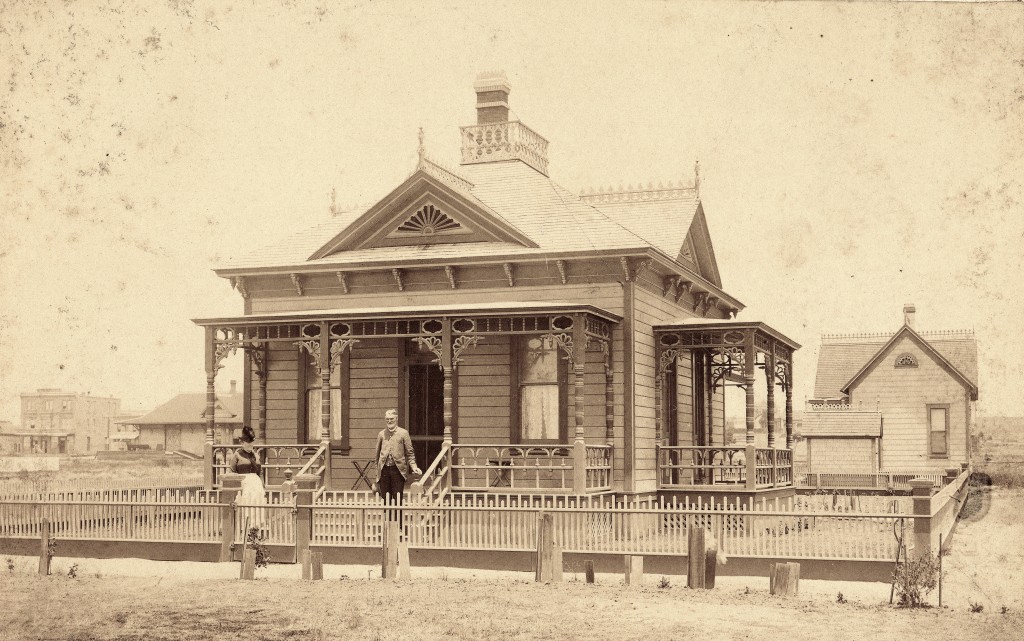
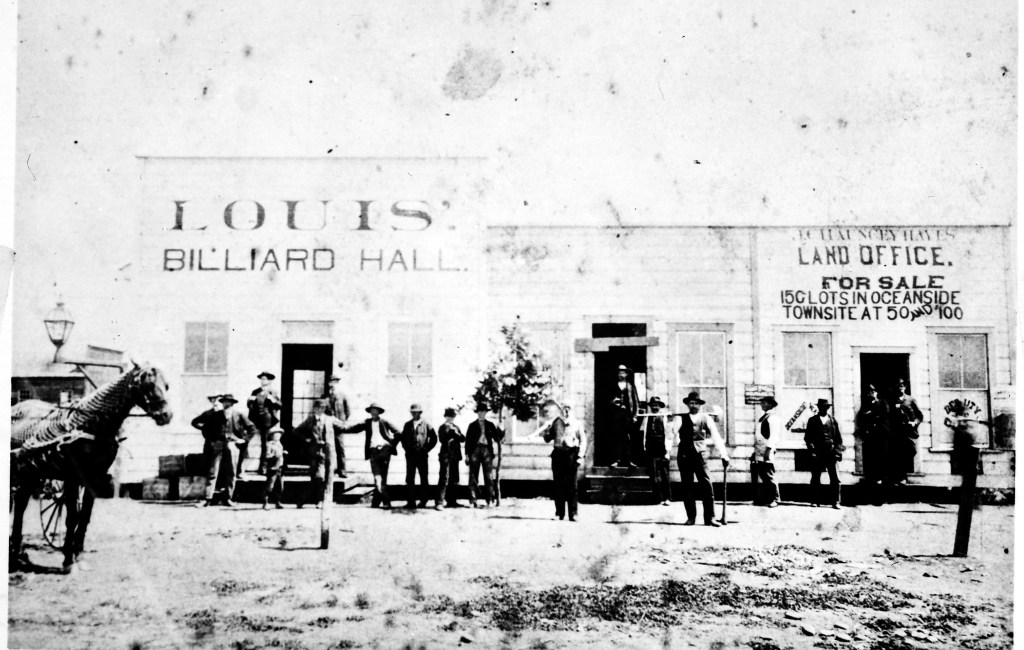
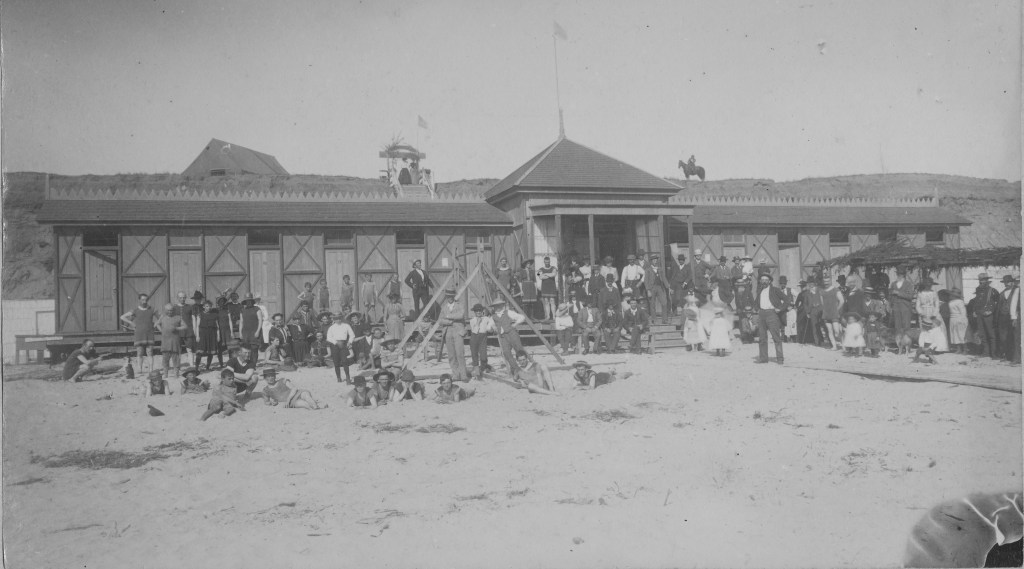


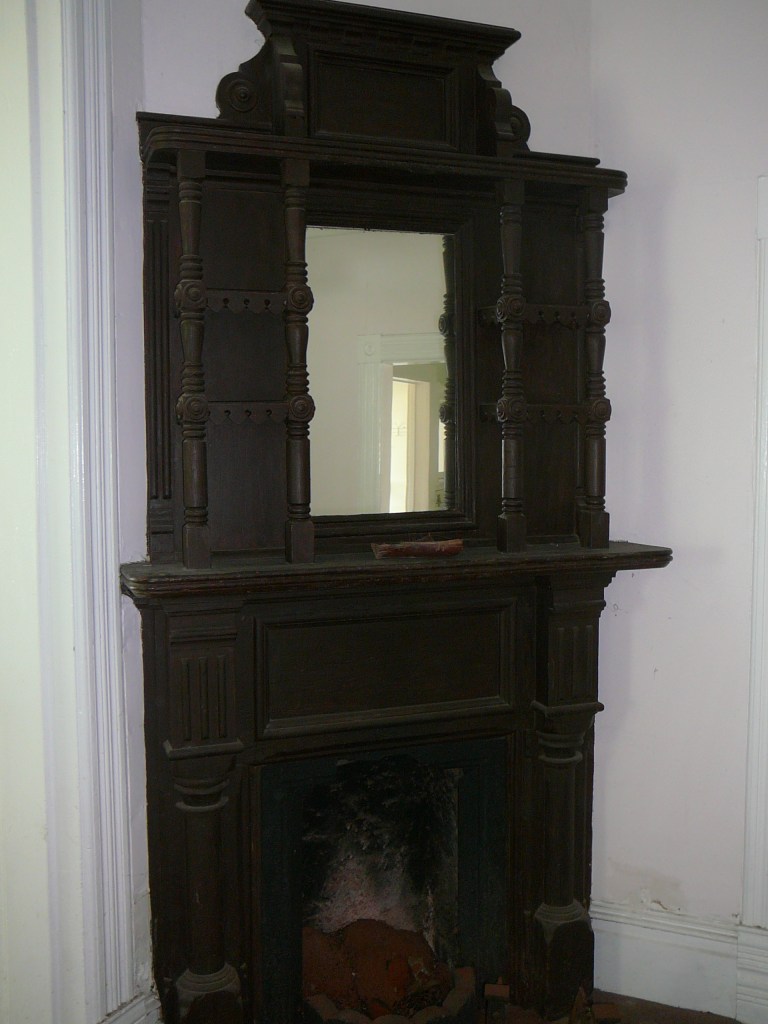

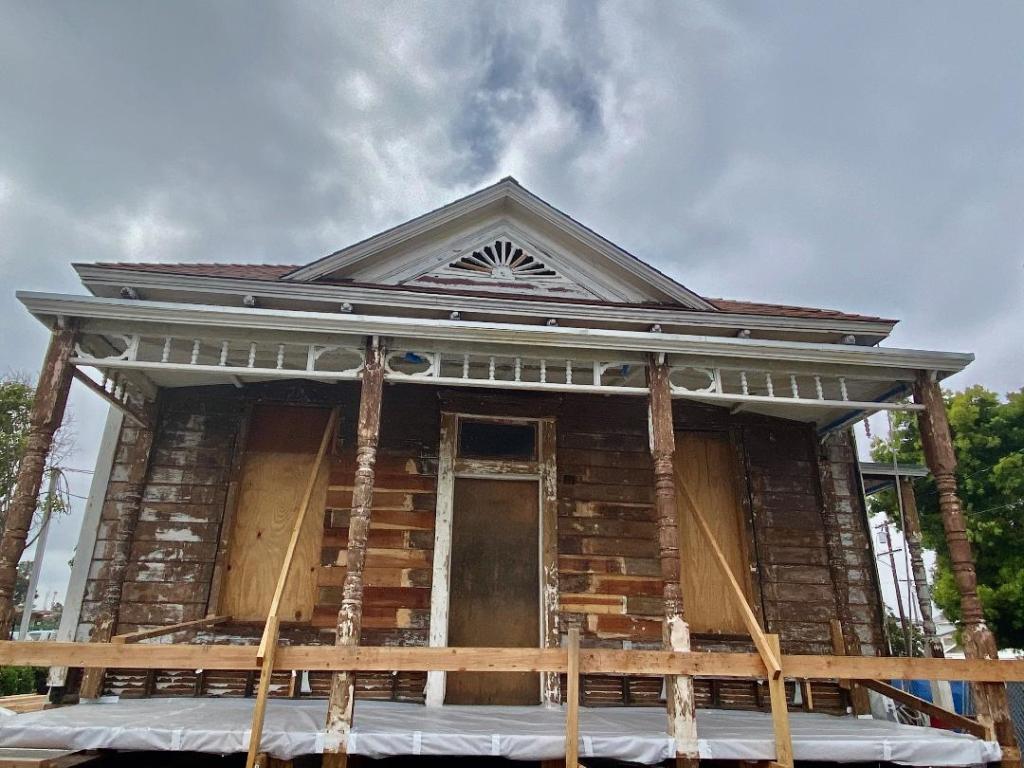


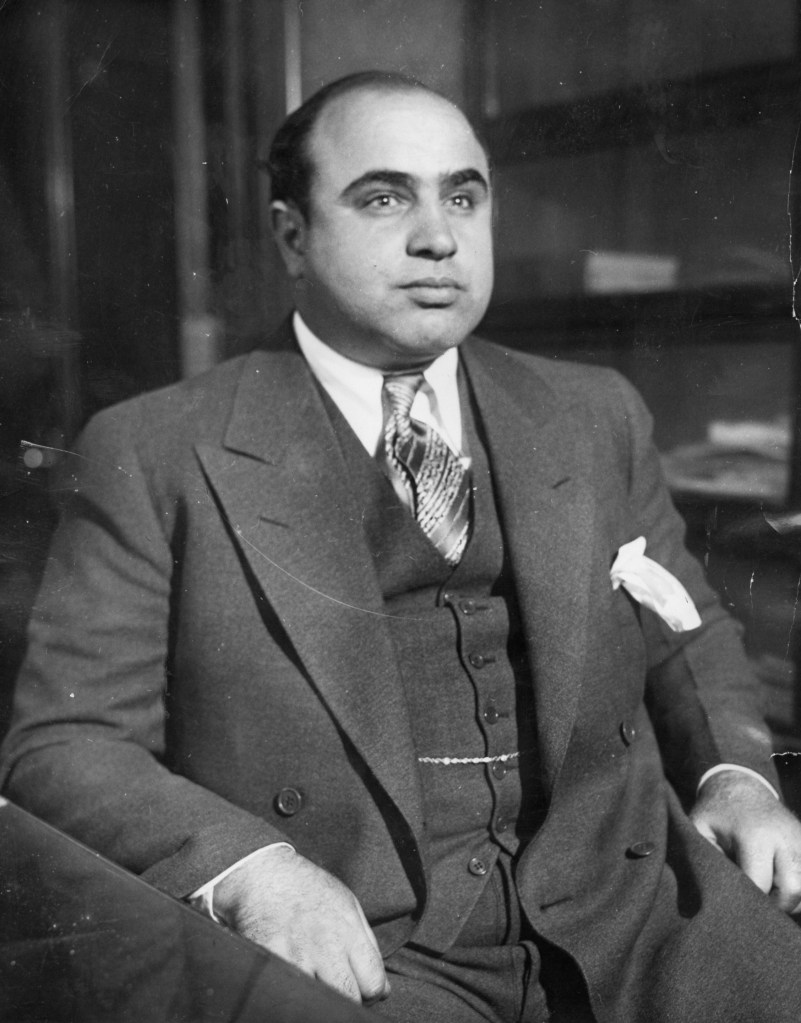


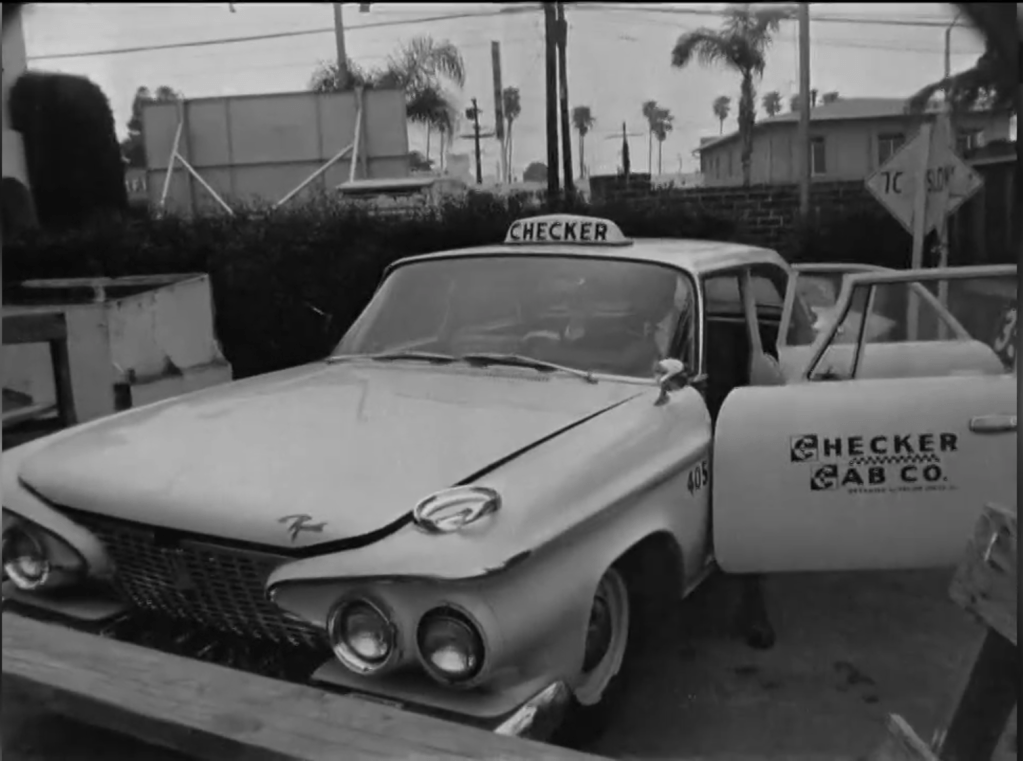


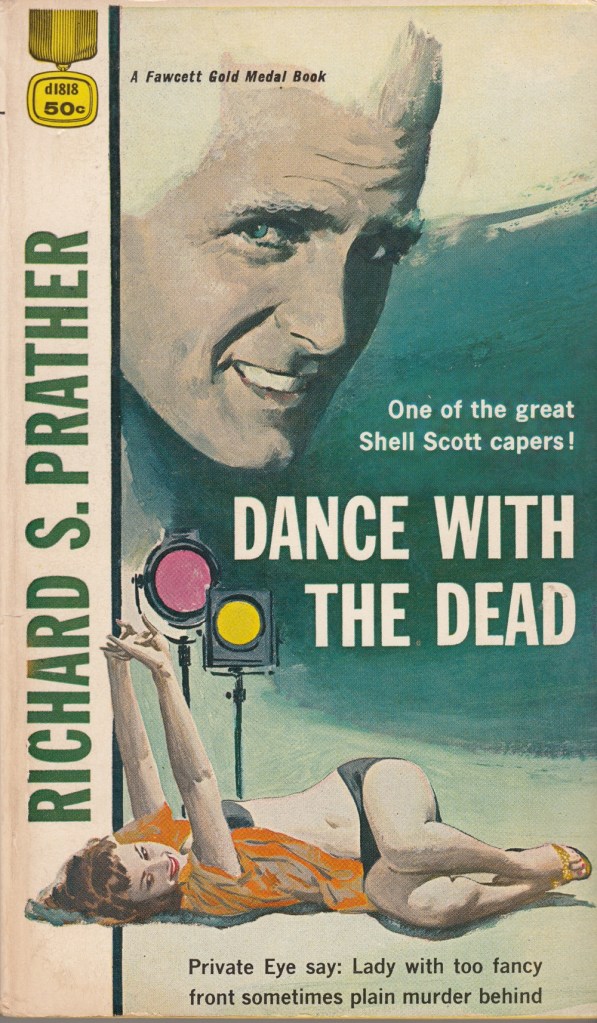


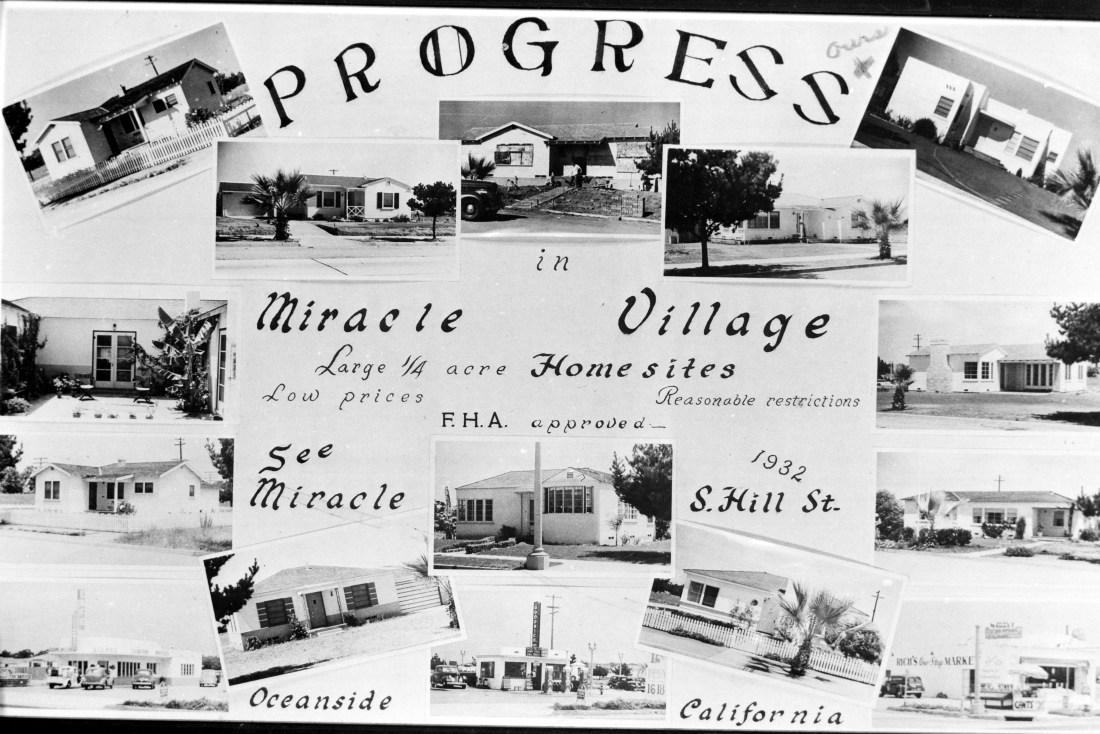
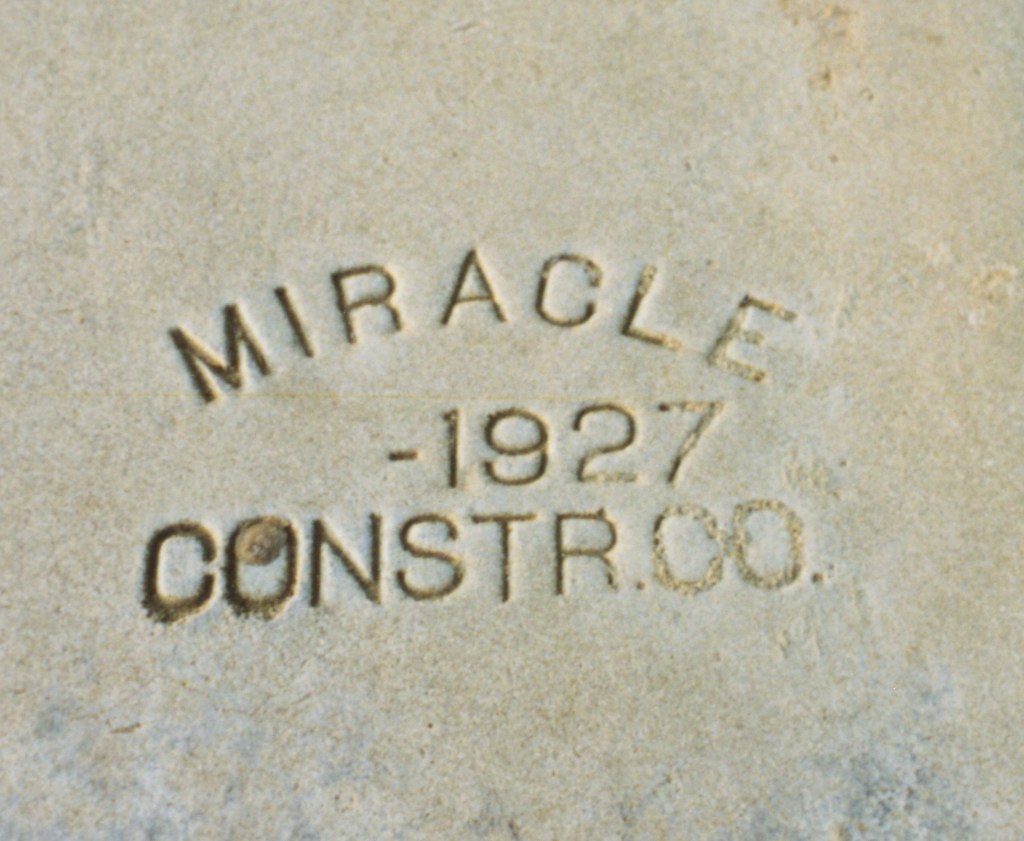
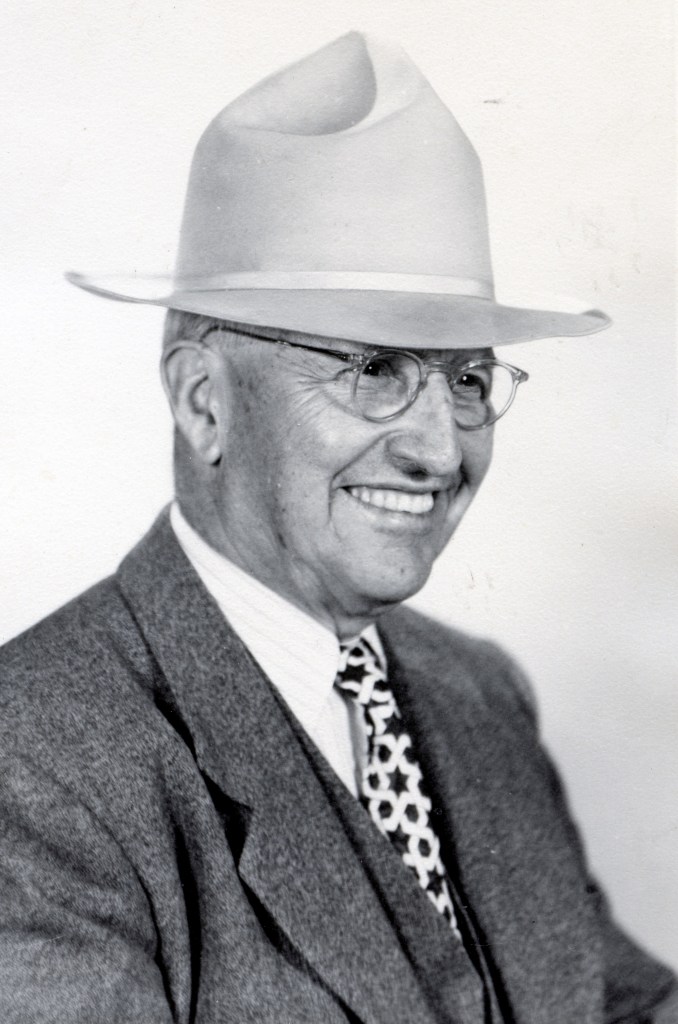


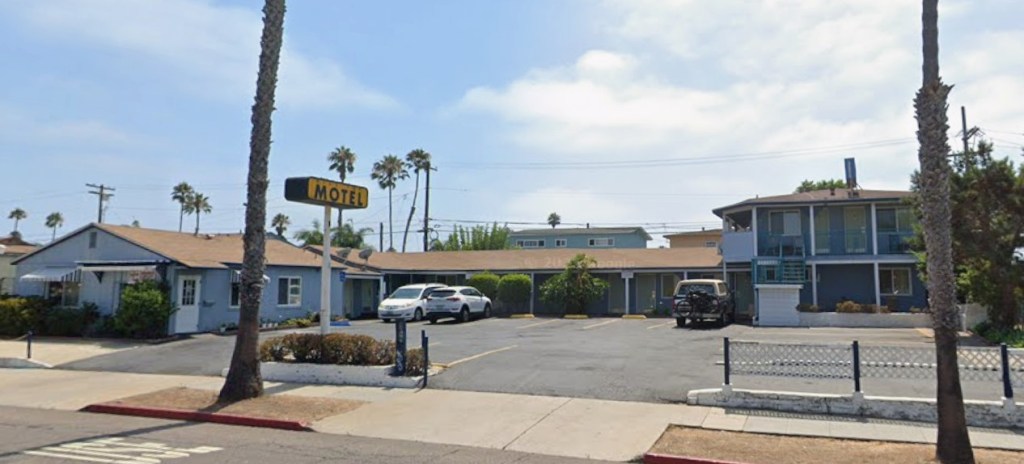
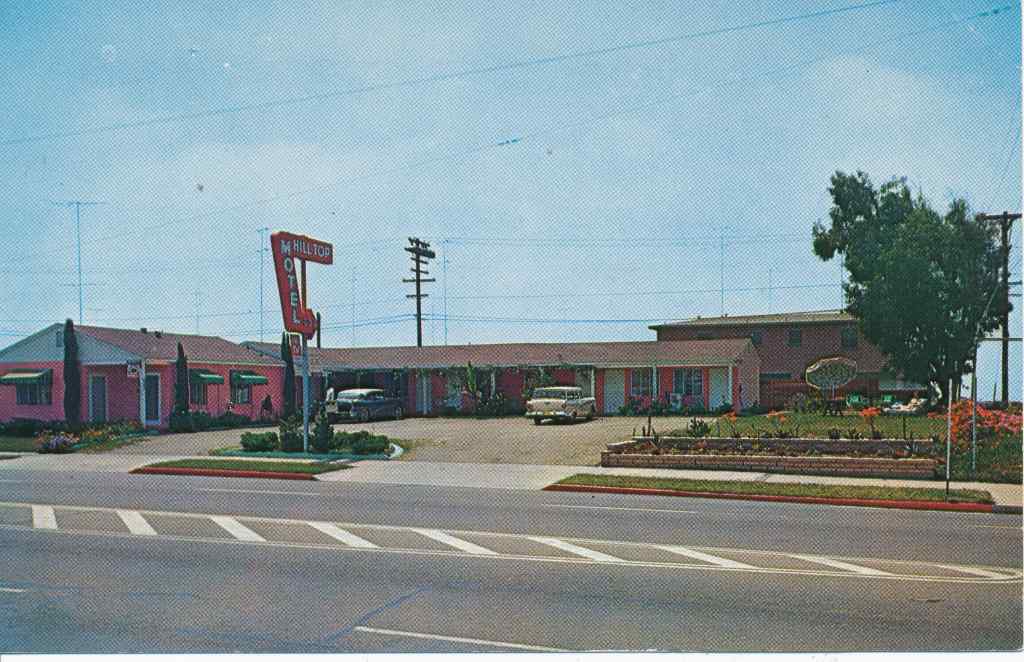
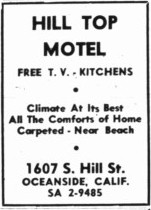


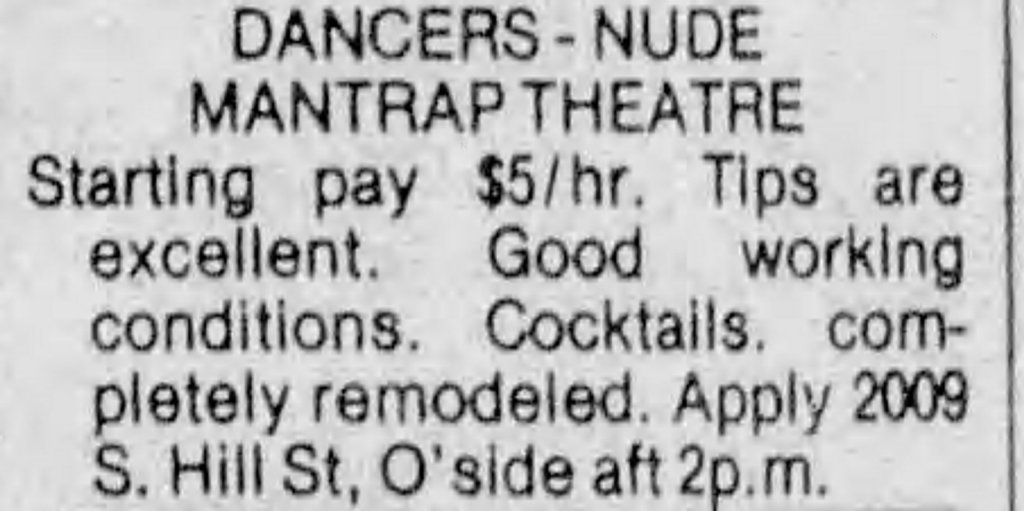
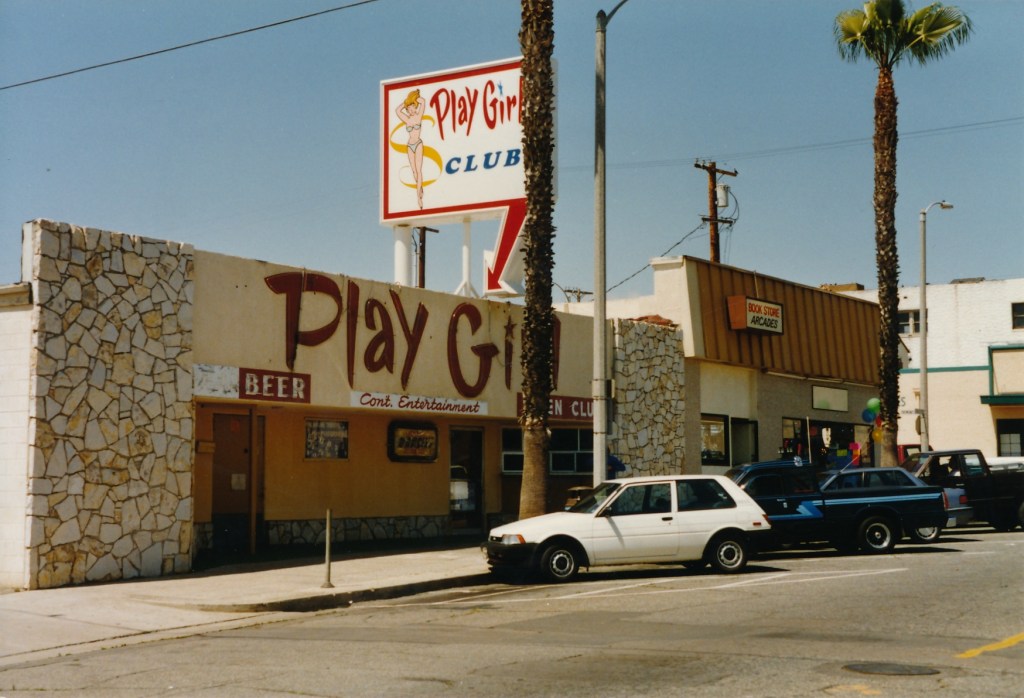


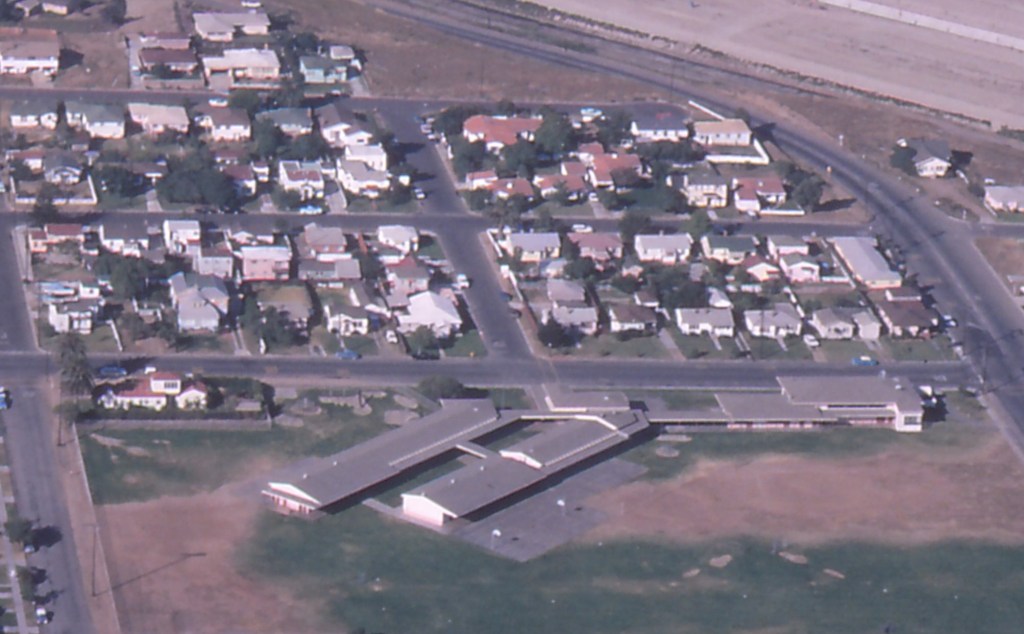


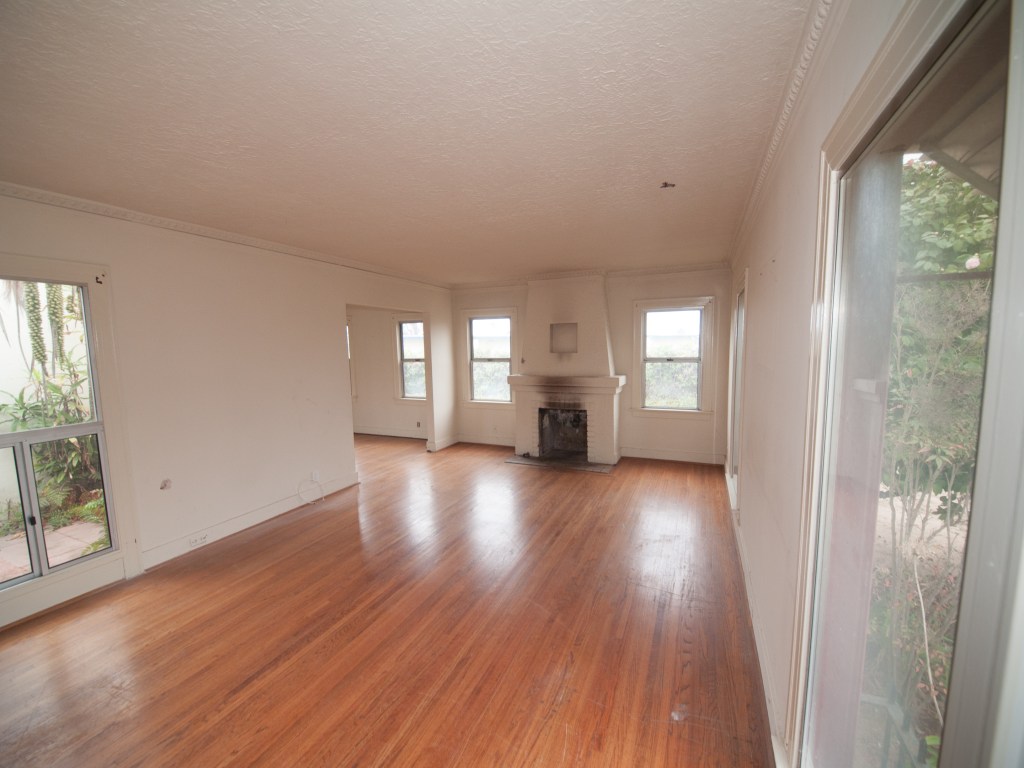


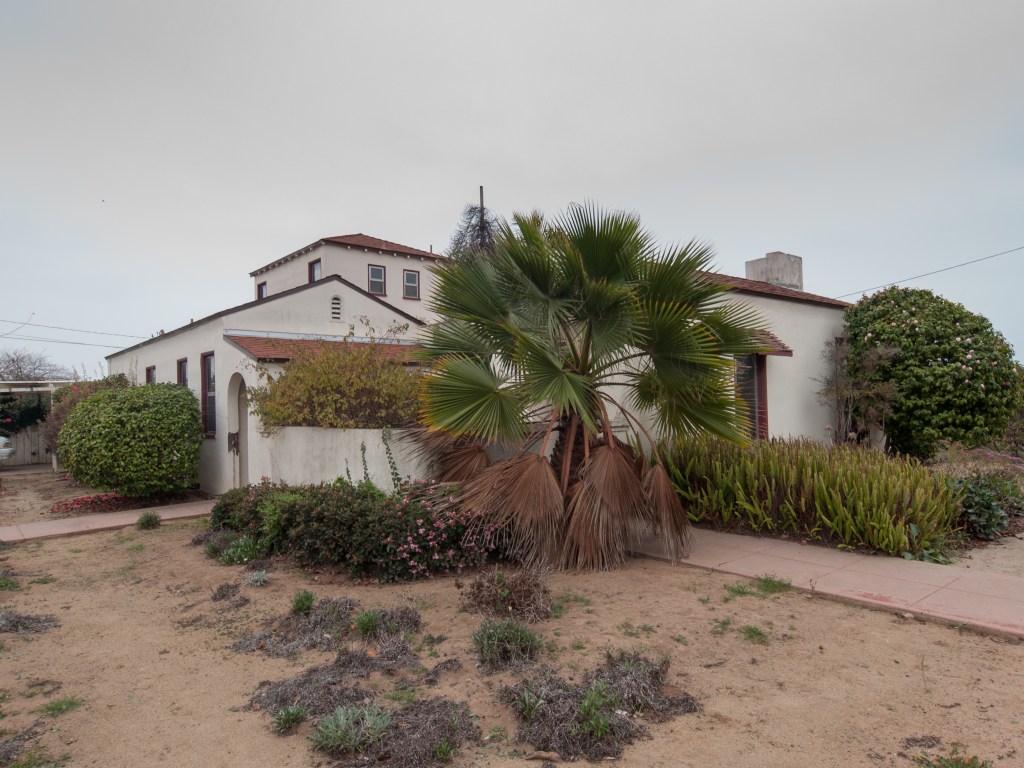
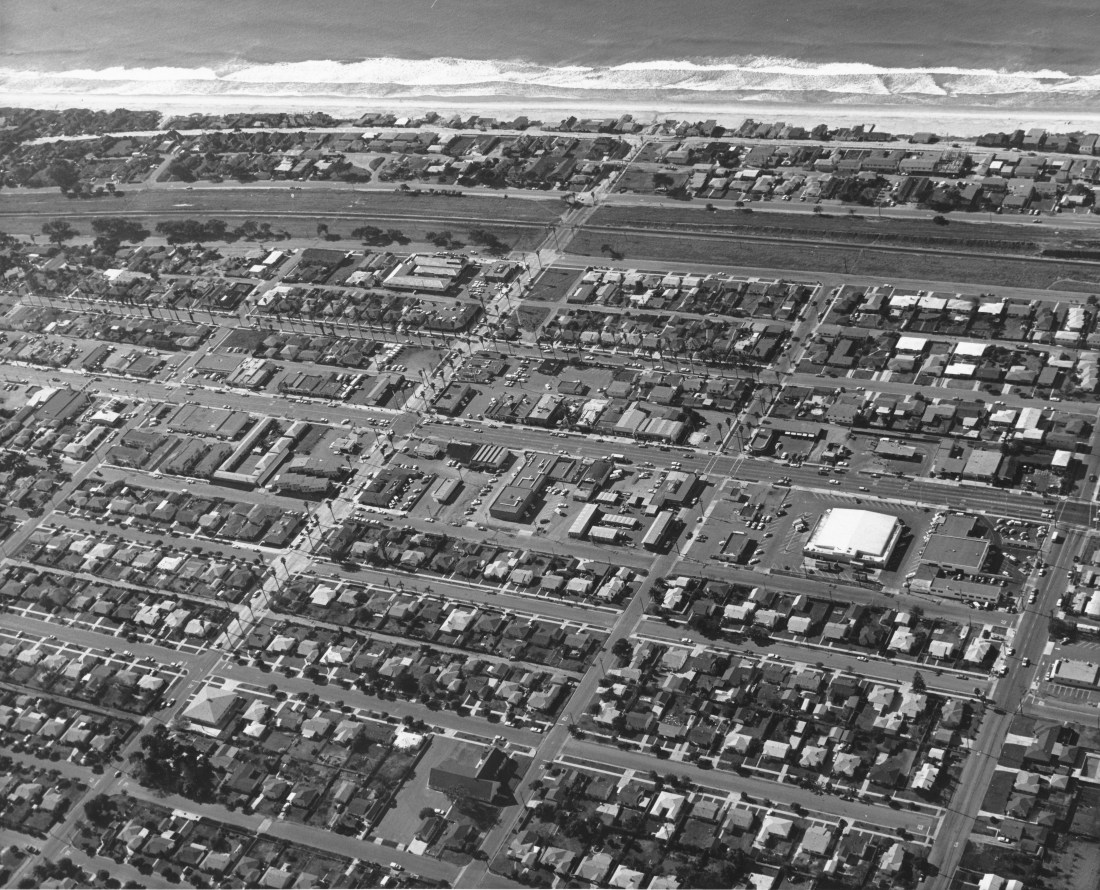
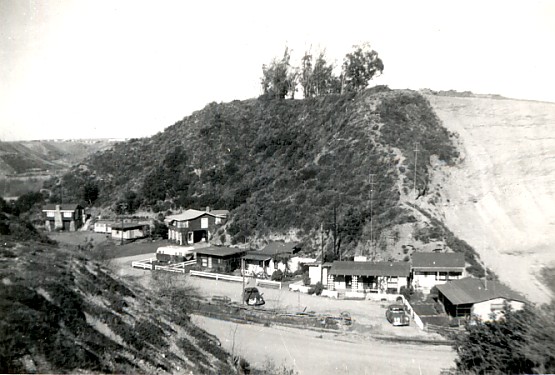
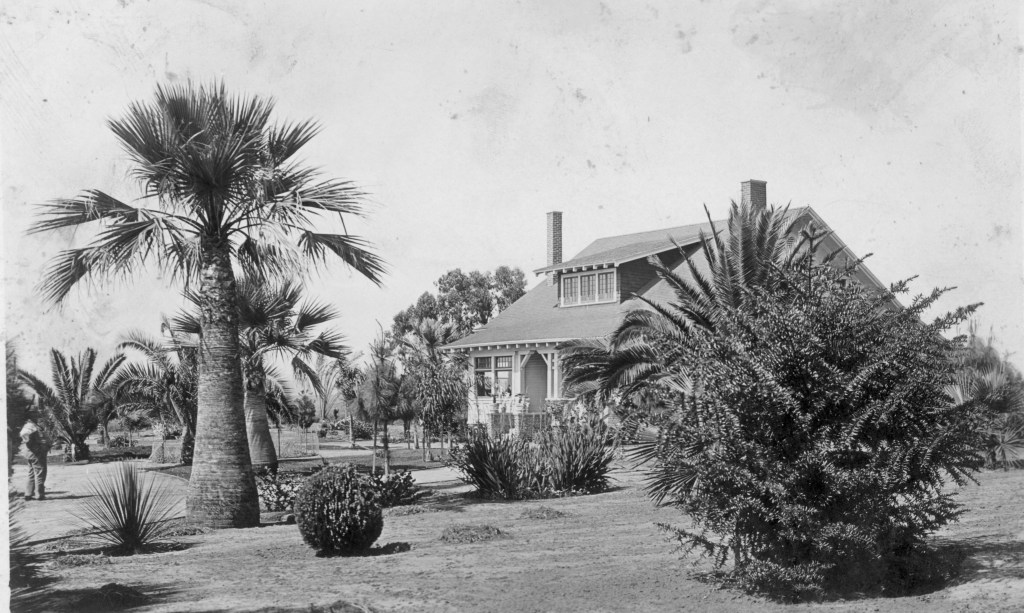

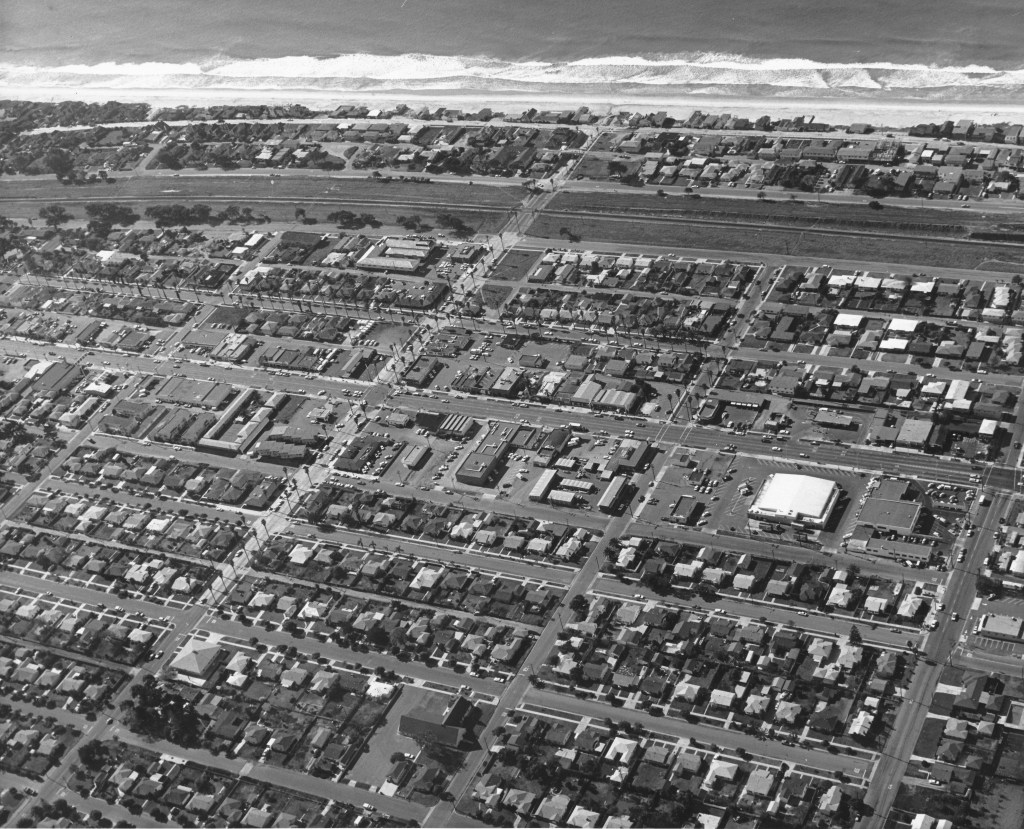


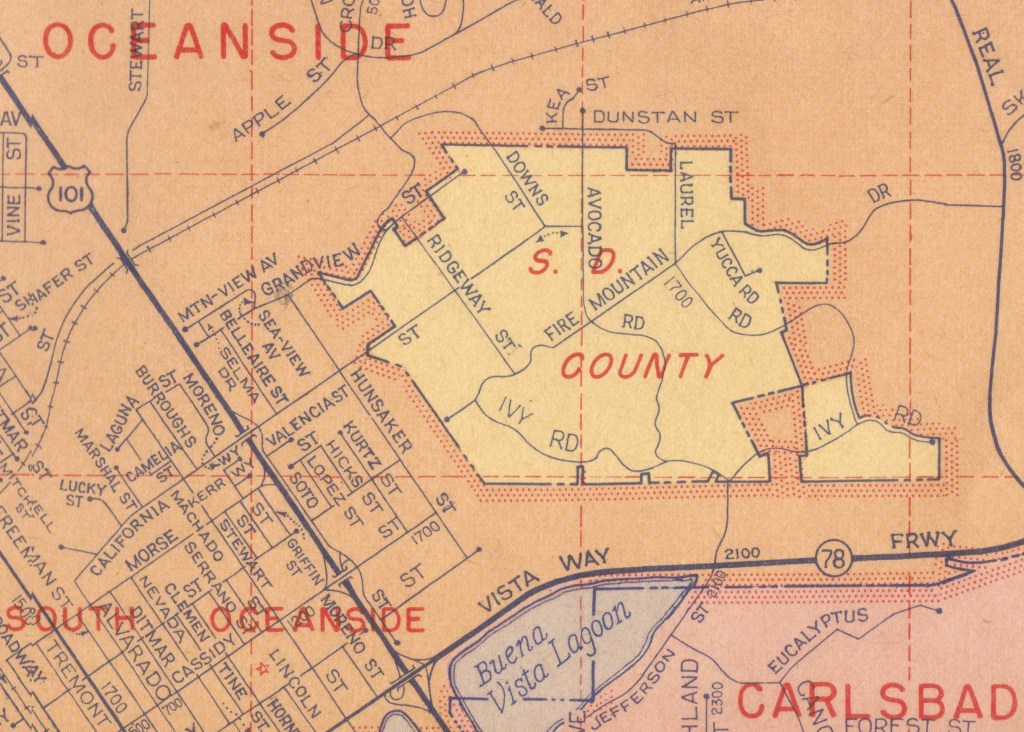

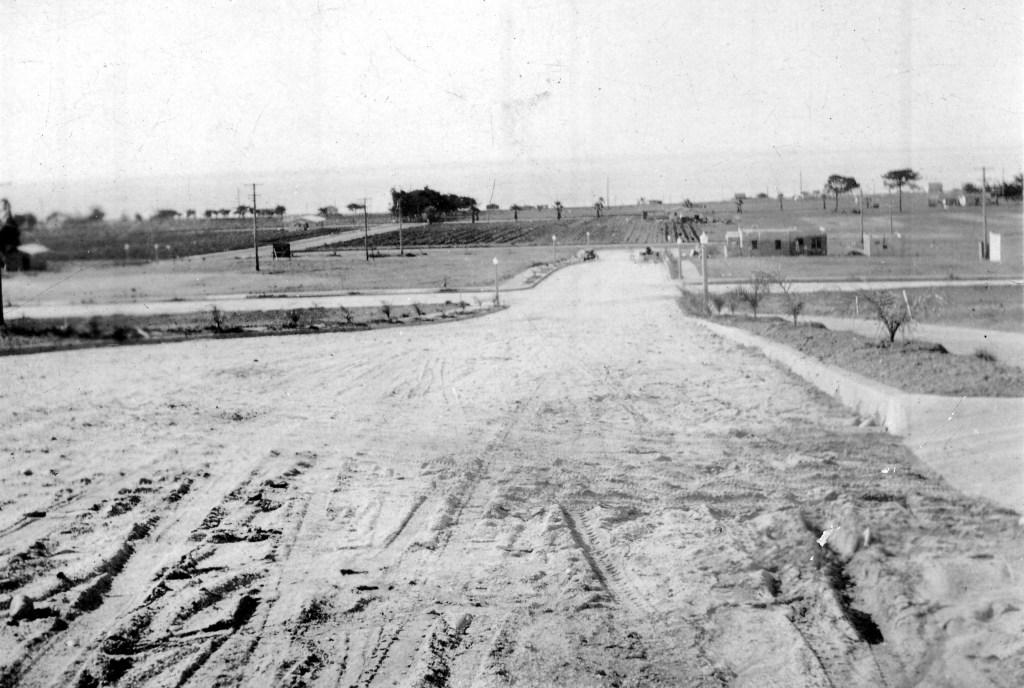


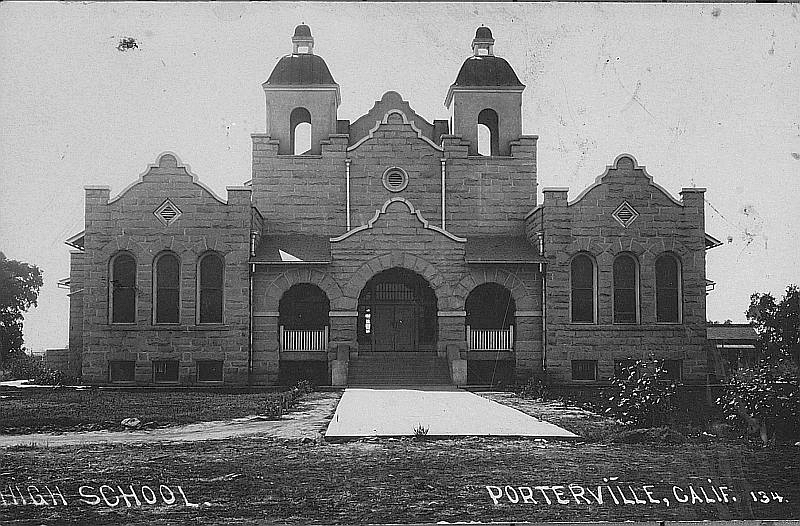


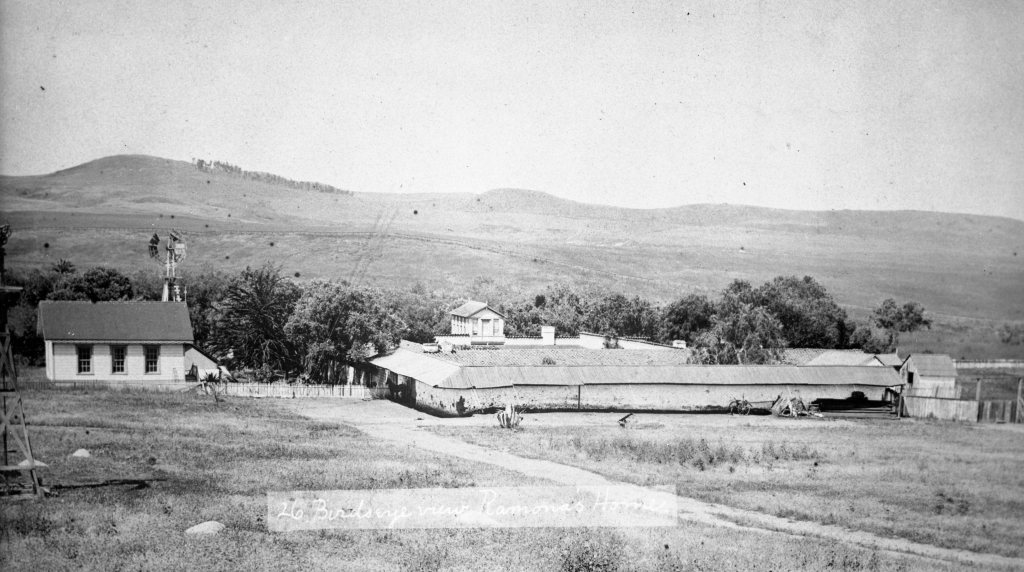


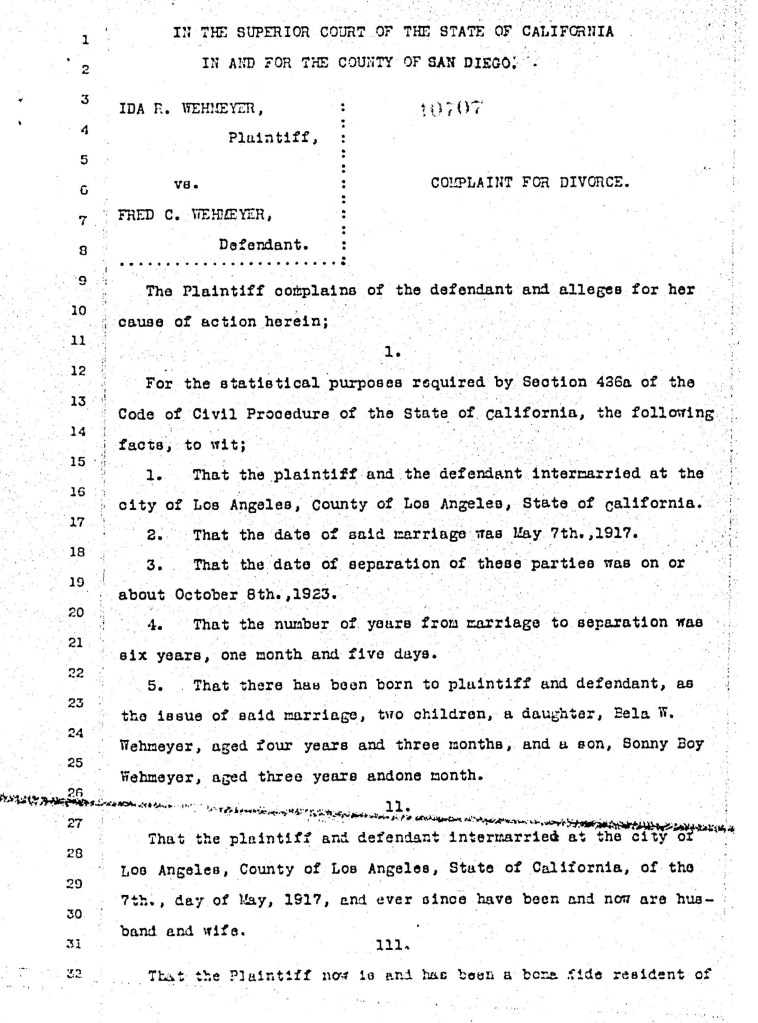
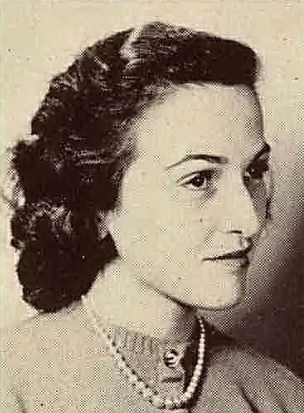



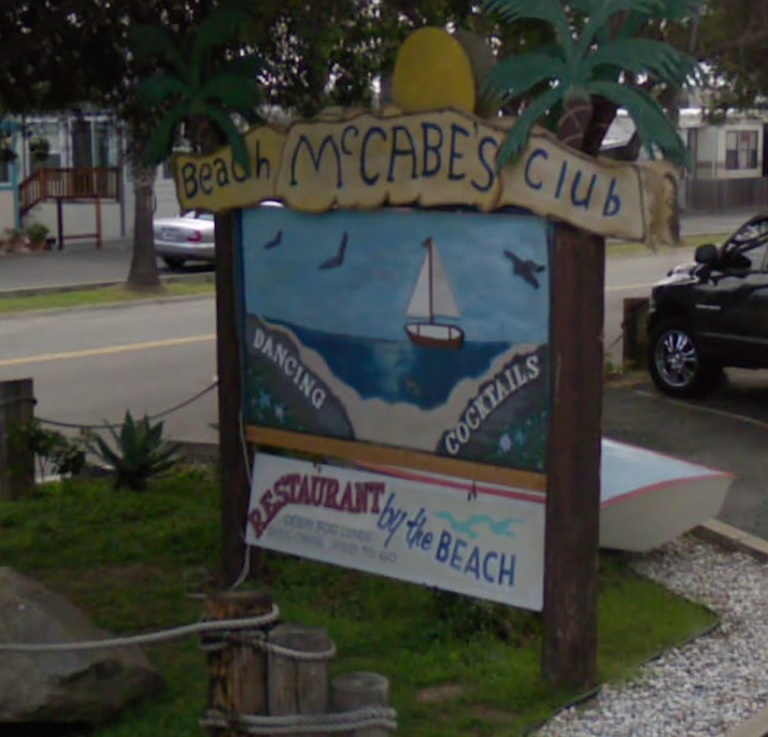
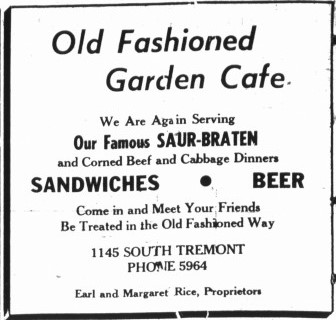


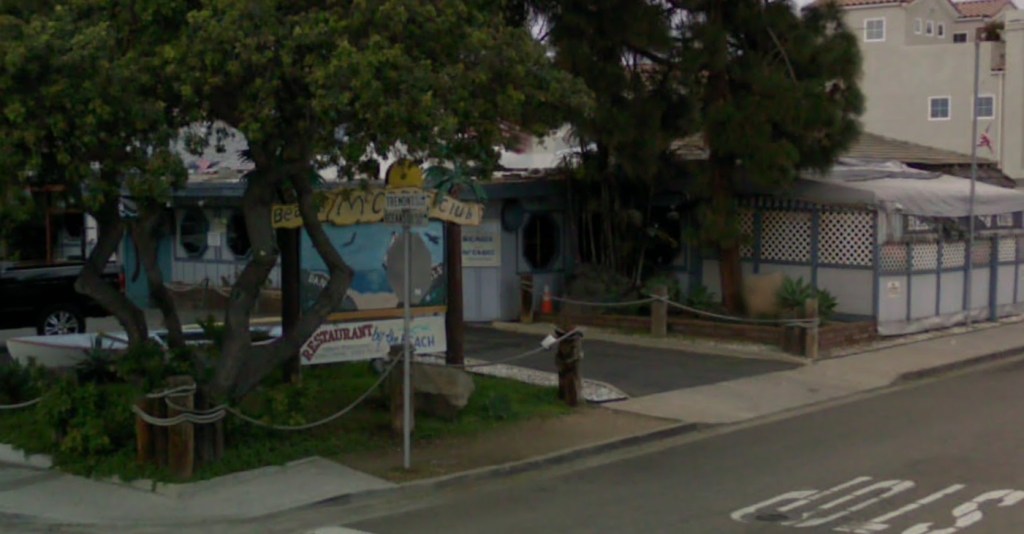


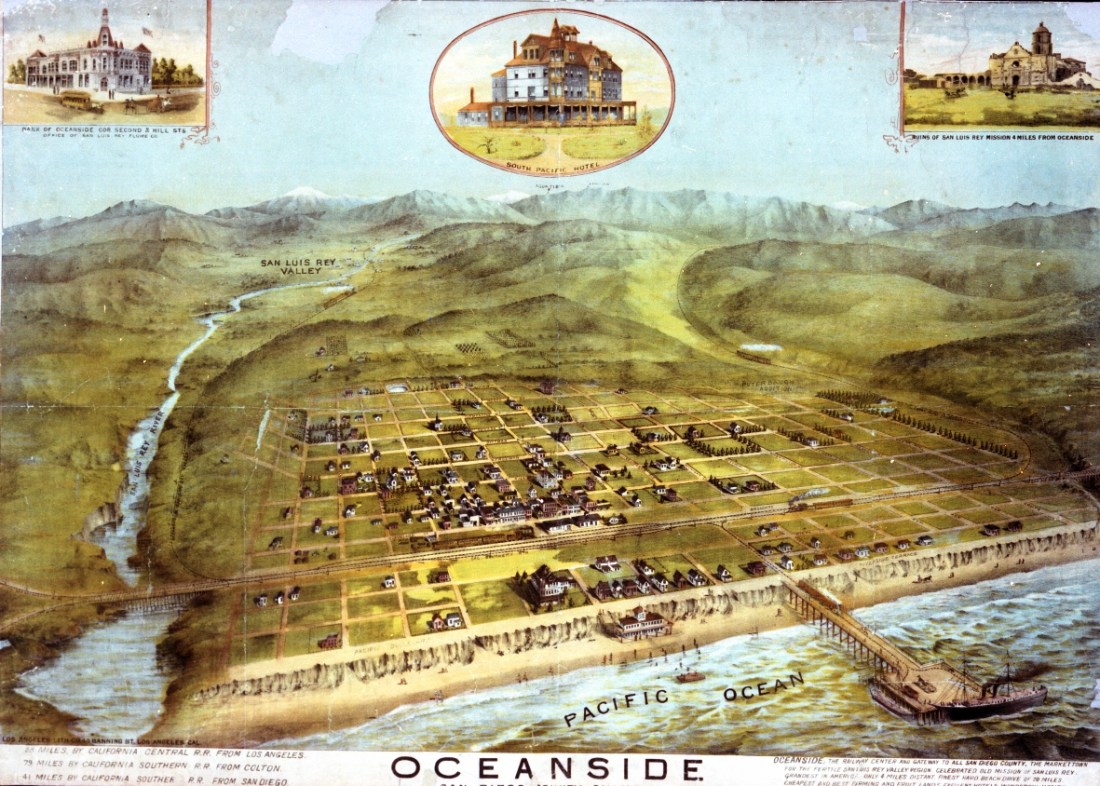


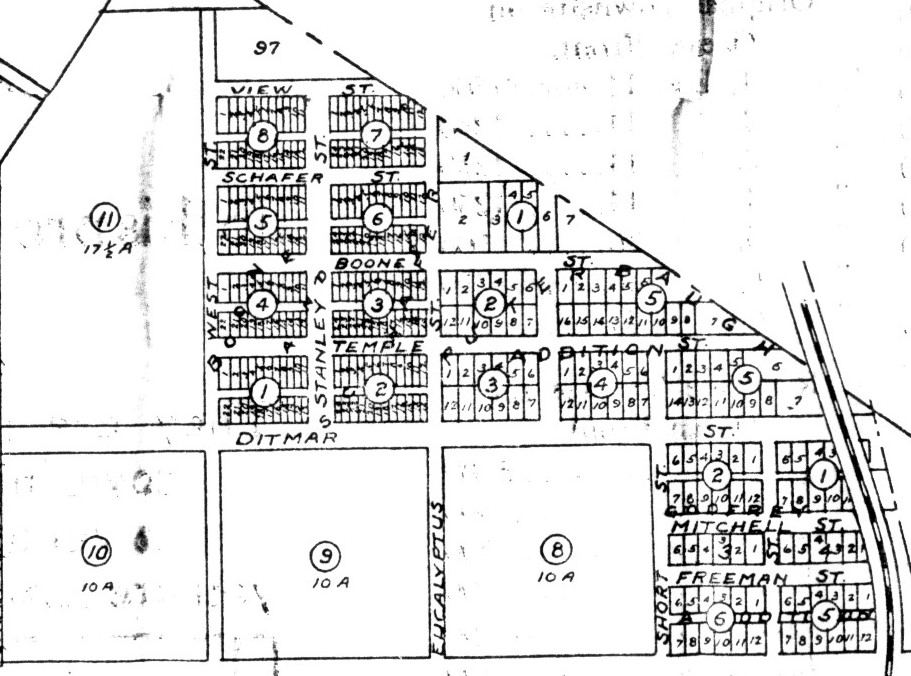

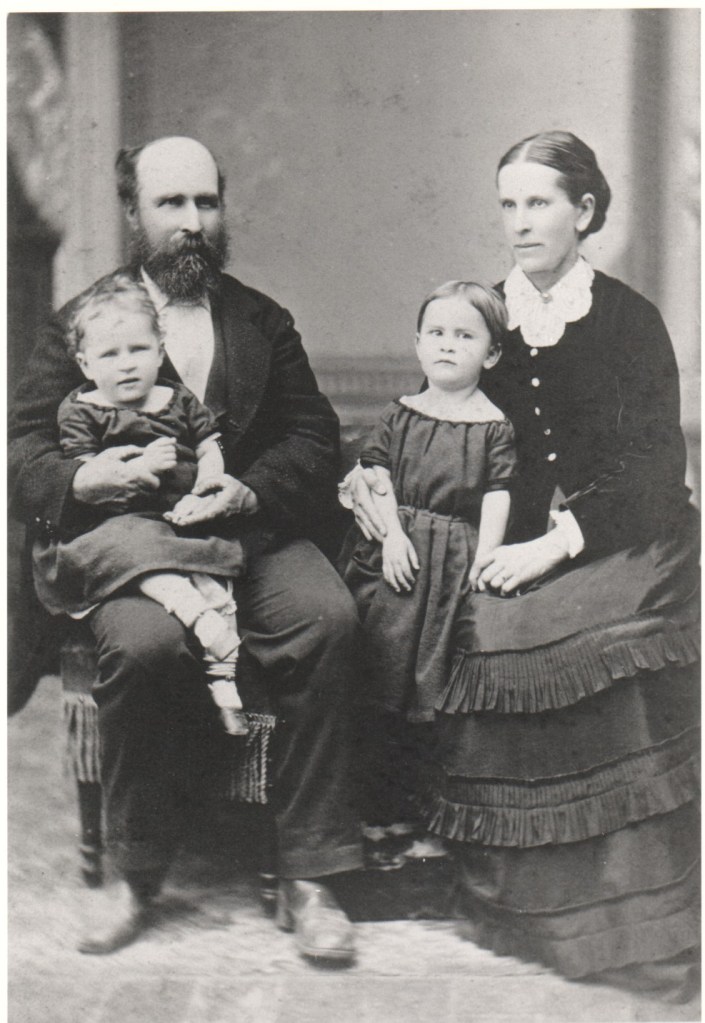



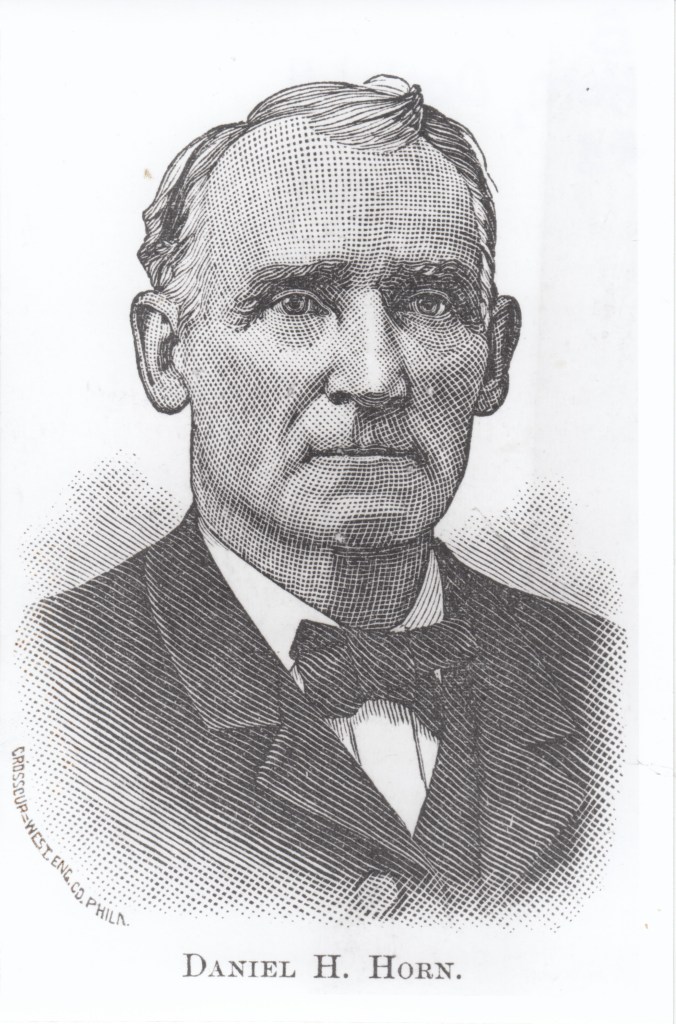




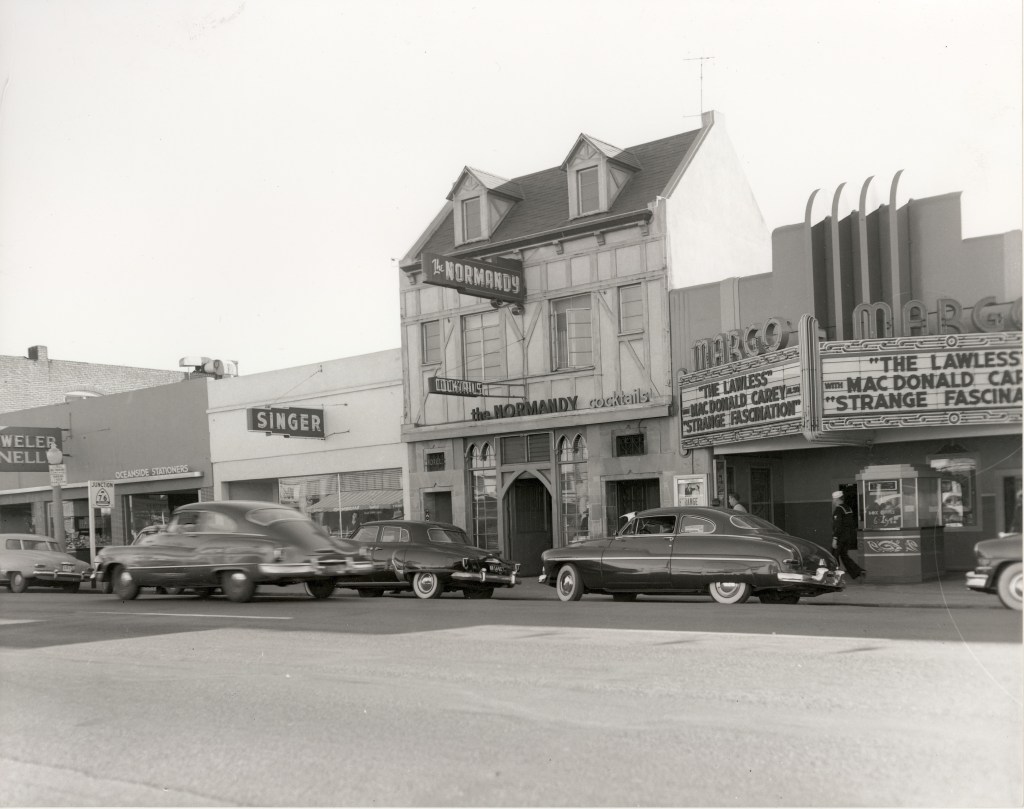


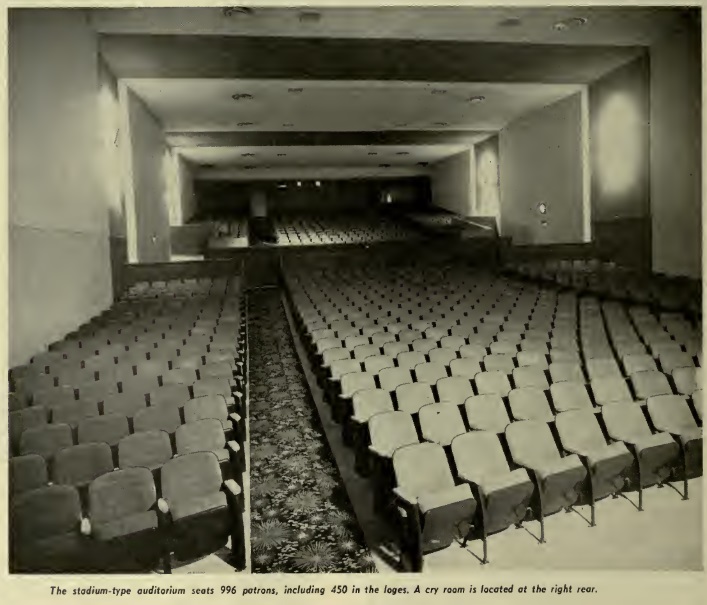

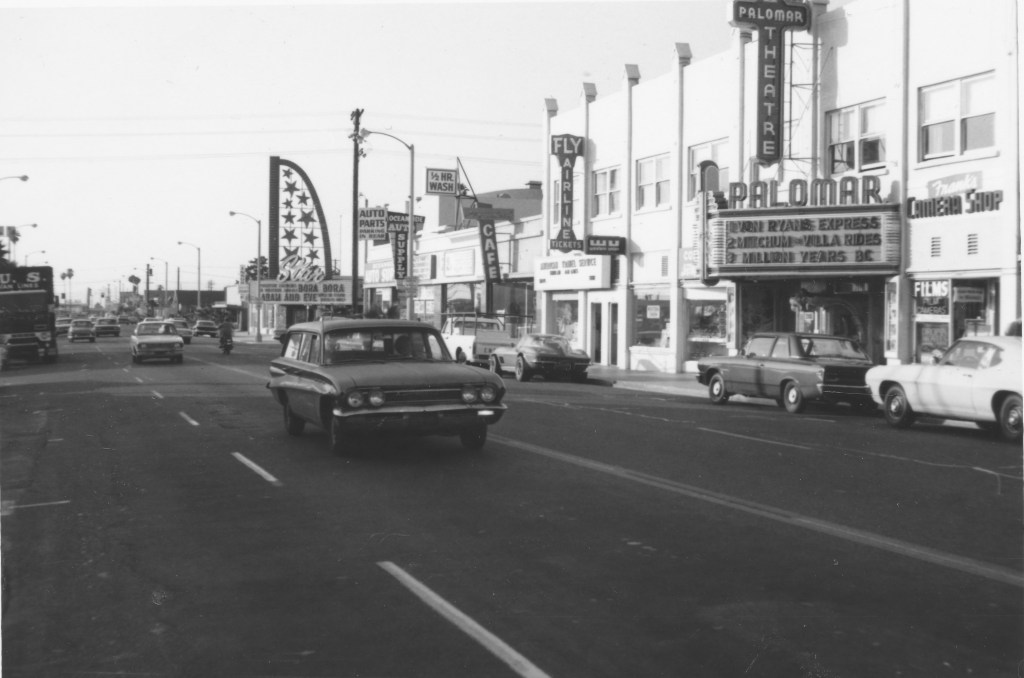







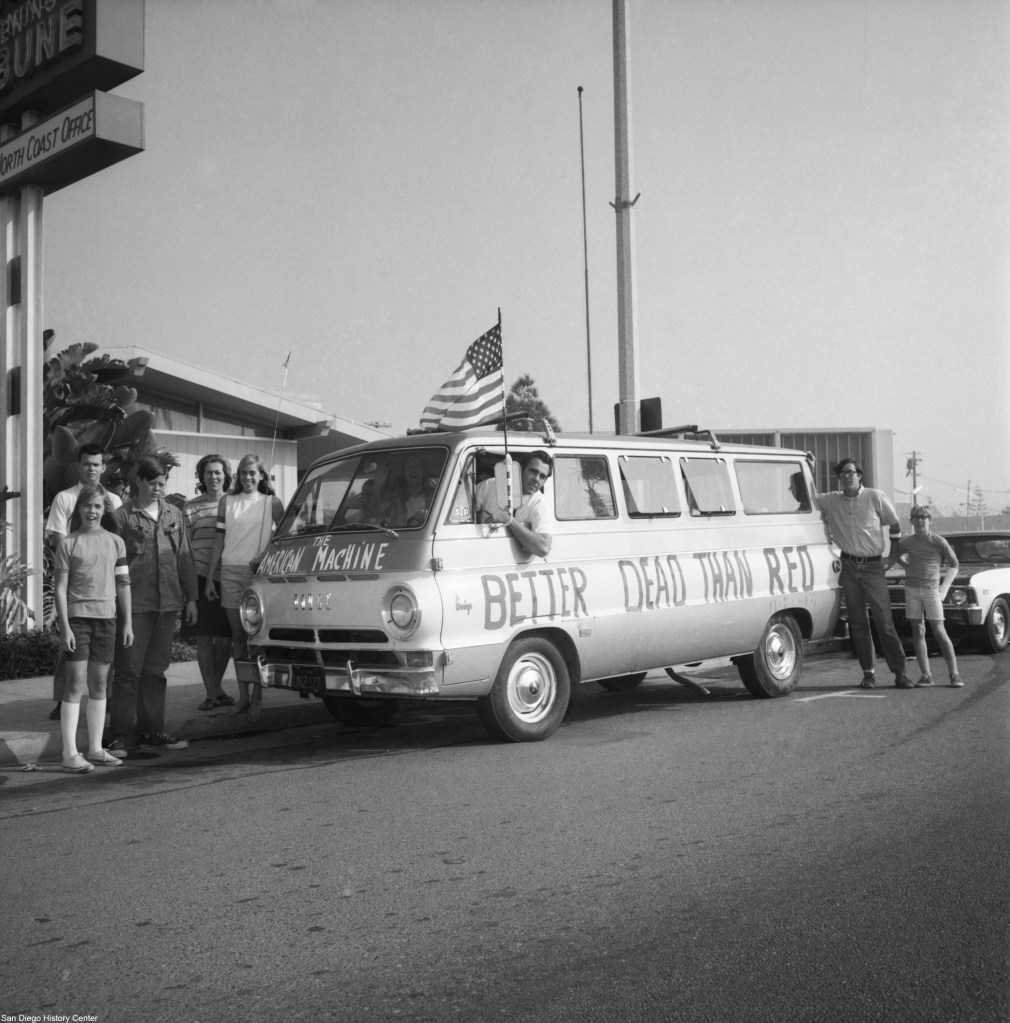


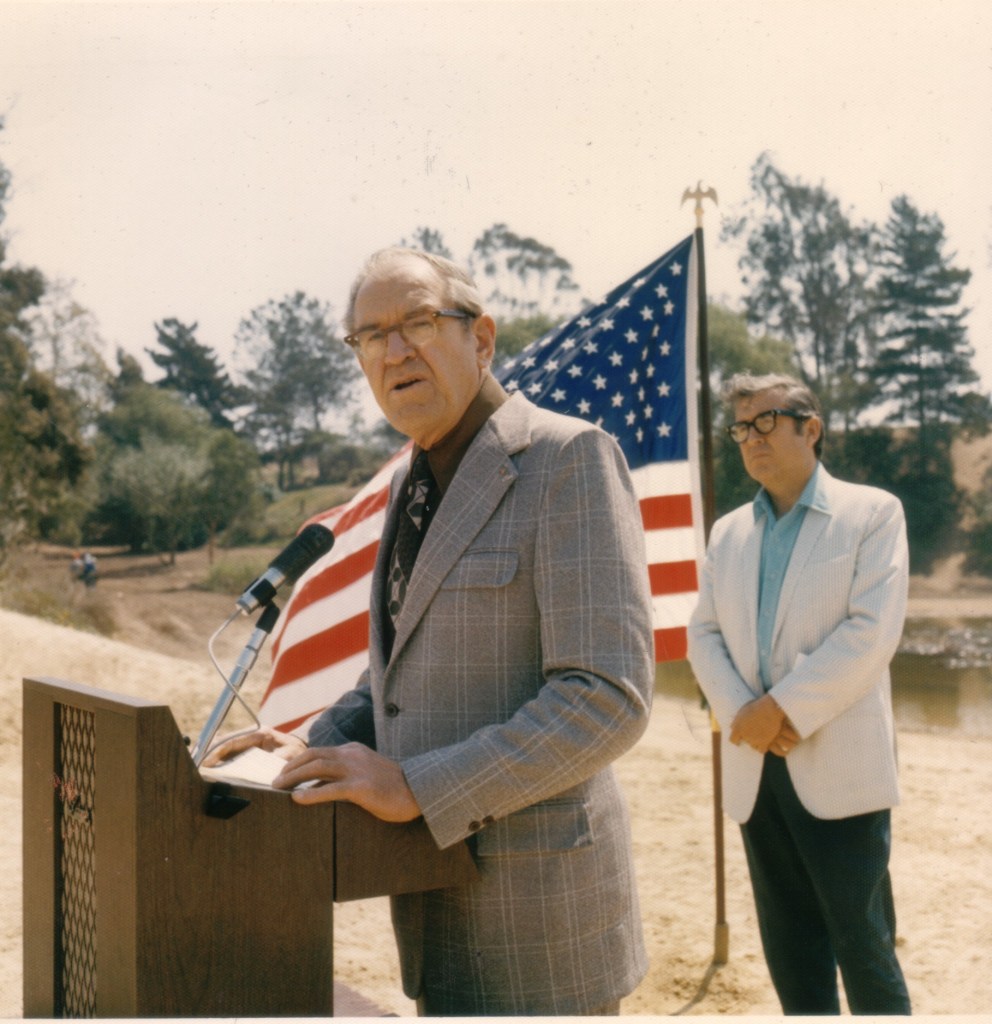

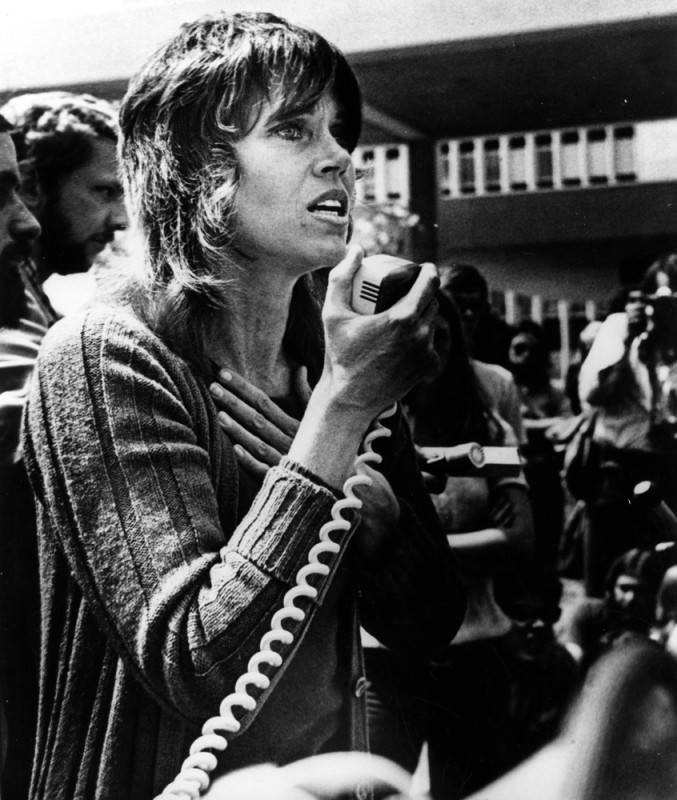
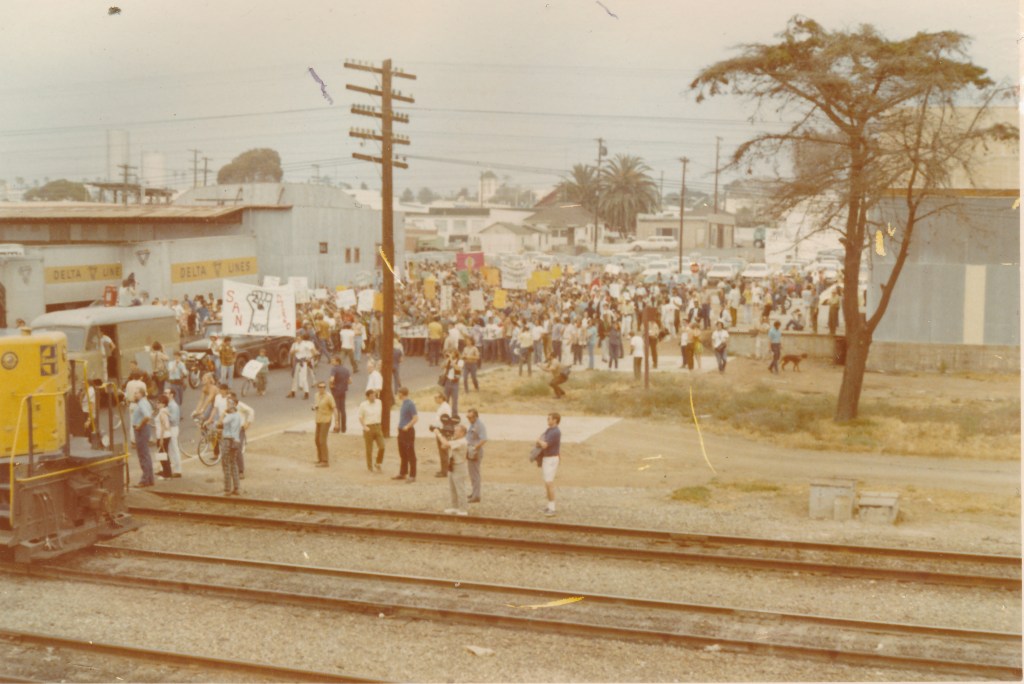
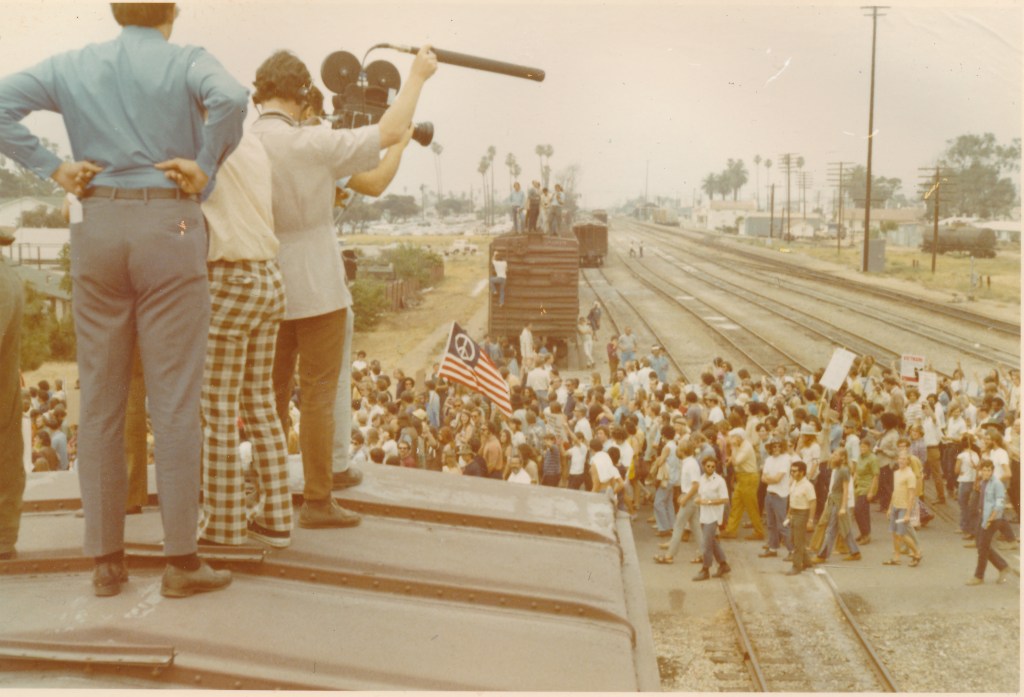




 Histories and Mysteries