The Hill Top Motel at 1607 South Coast Highway in Oceanside, California has been described as an “okay place if you’re running out of options.” It has become sort of a fixture in the South Oceanside neighborhood. Far from a vacation destination resort, the Hill Top Motel is a low budget option for travelers and locals.
The Hill Top Motel, (Google view 2025)
Regardless of its less than stellar reputation, the Hill Top has a history dating back to 1948 and includes two tragic events, a suicide and an unsolved murder.
The first deadly incident was the suicide of Flora Dodson in 1954. She and her husband were the original owners of the motel property.
Forrest Leroy and Flora (Kettering) Dodson were both natives of Illinois, married in 1907. The couple had two daughters, Marie and Edith. In 1948 the Dodsons purchased property on the southwest corner of Morse and Hill Streets (Coast Highway) from Clifford Brodie. In June of that year a permit was issued to build a small motel called Dodson’s Motel at 1607 South Hill Street for a cost of $19,000. A neon sign was erected in December 1948 and the motel was completed and ready for guests.
Flora and Forrest led quiet lives on the busy Highway 101. They lived on the property while managing the auto court and visited often with their children and grandchildren.
Sadly, Forrest Dodson died suddenly on May 29, 1954. After 47 years of marriage, Flora was distraught and despondent with grief. She told her daughter Edith Lipman that she did not care to live any longer and that she had contemplated jumping off the end of the Oceanside pier.
On December 12th, just seven months after the death of her beloved husband, Flora ended her life. She was discovered by her son-in-law Othel Bert, who was visiting from the Midwest. He found her lifeless body lying on the floor in front of the kitchen gas range. Detectives from the Oceanside Police Department responded to the call and as they examined the scene, they noted that Flora had cut her left wrist with a safety razor blade, which was found on the floor near her right hand. A rifle and .22 cartridges were also found but unused. Instead, Flora had turned off the pilot lights in her wall heaters and stove, turned on the gas and positioned herself on a kitchen stool until she was overcome by fumes. The coroner ruled her death a suicide.
The Hill Top Motel, 1607 South Hill Street (Coast Highway) in early 1960s.
After her mother’s death, daughter Edith Lipman acquired the motel property which had since been renamed the Hill Top Motel. It was sold to Leonard and Bessie Robinson in 1957. The Robinsons lived on the property in the “owner apartment” and managed the 8-unit motel, which advertised “all the comforts at home” including carpet, kitchens and free TV.
By the mid 1960s the Hilltop Motel was expanded with a two-story unit on the north end of the property. The Robinsons sold the property to Mr. and Mrs. William and Virginia Giffin who sold it to Dwight M. Pankey in 1970.
The Hill Top Motel in the 1970s.
It was purchased by Larry and Twyla Shaffer in 1974 and by 1976 the Hilltop Motel was offering daily rates of $10 and a weekly rate of $63. In 1976, the property was purchased by Joe C. Iski and John Isky. They sold the property to Yee Chen Yeh of San Diego in 1979.
Aerial view of the Hill Top Motel, corner of Morse and Hill Streets (Coast Highway) upper right in the 1970s.
The clientele in the 1970s and 1980s were much different than the guests who stayed in the Dodson Motel in the 1940s and 1950s. Things were changing in Oceanside with a rising crime rate, even in South Oceanside, which is a vibrant and trendy neighborhood today. In 1988 the crime rate had increased 24 percent and it was reported that Oceanside had the biggest increase in violent crime in the entire state for the first six months of the year.
Violent crime which included Oceanside’s first reported homicide of the year – at the Hilltop Motel. On January 22, 1988 Rocco Anthony William Pittro, Jr. (aka Pietro) was found murdered in Room No. 8. Pittro had been discovered by the motel’s manager. Left in a pool of blood, he had been stabbed seven times.
The manager told police that Pittro and a man by the name of Carl had been seen together, and that Pittro had told him he would have a male friend visiting. Carl was described as a black male 25 to 30 years of age, 160 pounds 5’10“. The manager of the motel had gone to the room to check on him the following day, presumably after Pittro missed check out, entered the room with a pass key and discovered the dead guest. The Oceanside Police Department was notified and Officer P. Coppack arrived at 12:43 PM.
Pittro was born August 7, 1927 in Illinois. He was divorced and living in Mission Viejo. Differing reports list his occupation as an interior decorator to construction.
The coroner’s report stated that he was found in “a prone position on the bed and his body was cold to the touch.” There were three stab wounds to the back of his body and multiple stab wounds to his chest and abdomen, as well as a laceration to his left hand. The bedding under his body was blood soaked, and there was dried blood spattered on the wall opposite the foot of the bed and on the head of the bed. More specifically, Pittro was stabbed in the heart as well as in the lungs and suffered from multiple blunt injuries. The coroner also noted that no drugs were detected.
The murder weapon was not found but Homicide Detective Sheila Hancock reported “I think we’ve got some good physical evidence.” The victim’s 1985 Nissan pickup truck had been stolen and later recovered abandoned in central Los Angeles.
In March of that year, a 16-year-old Oceanside youth was arrested. He was booked into juvenile hall, but his name was withheld because of his age. Three days later, he was released. Detective Hancock said there was insufficient evidence to prosecute the teenager at the time. Police said the teen lived with his parents on nearby Marine Corps Base Camp Pendleton and they continued to look for information linking the teenager to the killing.
In September of 1988 Oceanside detectives released a crude sketch looking for someone by the name of Chris or Carl. But with no suspects in custody, the case eventually went cold and then forgotten.
However, with properly stored evidence, this case could likely be solved today with DNA or even fingerprinting.
The murder of Rocco Pittro is one of several unsolved cases in the files of the Oceanside Police Department, including Zelda Lamore found murdered in a downtown hotel in 1953, the murder of cab driver Ray Davis in 1962, the murder of Charlleen Saunders in 1986, the kidnapping and murder of 7-year-old Leticia Hernandez in 1989, the missing persons case of Mary Rico-Webber in 1992, the murder of retired school teacher Margaret Yossa in 1994, and the murder of Rachel Pauline Rivera found in the alley of the 600 block of South Coast Highway in 2001.
As each year passes these cases only grow colder, including Rocco Pittro’s murder in Room 8 at the Hill Top Motel. Is the DNA evidence just waiting to be tested? Is there anyone who remembers, or has information to help solve this case and others?
South Oceanside’s popular health food store “Cream of the Crop” has been around for nearly 40 years. But the history of the building is a colorful one beginning in the 1940s …. once occupied by a fish grotto, cocktail bar and later a gentlemen’s club called the “Man Trap.”
Built in 1944, the building was owned by Dr. Clifford and Cora Brodie and housed Brodie’s Fish Grotto which opened in the summer of 1945. The Brodies had an auto court-style motel on the southwest corner of Vista Way and Hill Street (Coast Highway) in South Oceanside. They also owned an apartment building at 2012 South Tremont.
The Ellis Motel was built in 1939 as the Brodie O Tel at 2001 South Hill Street (Coast Highway)
Clifford Brodie was married up to five times and Cora may have been wife number two. They were married in about 1930 and had one son, Elwood. The couple divorced and Cora remarried, her new married name was Shuey. Cora received the Tremont Street apartment building where she resided, along with the building located at 2009 South Hill Street a.k.a. Coast Highway, in the divorce settlement.
Dr. Clifford E. Brodie
Cora Shuey opened a new restaurant in her building on Hill Street called “The Port Hole.” It operated from 1947 to 1952. Athur Vitello then opened a restaurant and cocktail bar called Diana’s, in mid-1952, while Cora retained ownership of the building.
Diana’s was a popular hangout for several years along the historic Highway 101, on the outskirts of Oceanside. Clientele came from both Oceanside and Carlsbad and beyond.
In 1955 a shocking incident occurred there when a man shot his wife, killing her instantly, and then turned the gun on himself. James and Joyce Nolan were living in the motel next to Diana’s at 2001 South Hill (Coast Highway). The couple had entered the establishment and had a noticeable disagreement or fight then left. Joyce Nolan returned alone to the cocktail bar and her husband re-entered and asked her to come home. She refused saying she wanted to finish her drink. Soon after James Nolan approached his wife and without a word shot her in the throat with a 38-caliber pistol. He then shot himself in the head.
Detectives enter Diana’s restaurant and bar to investigate the murder-suicide.
Oceanside Police were summoned by shocked bar staff. In his pocket police found a tattered letter written by James Nolan to his parents. It read: “I can’t take it anymore. The only one I ever loved is Joyce and we just can’t seem to get along so I’m ready to call this life to a finish.” They had only been married a few months.
In June 1959, Cora Shuey had the building “completely redecorated” and opened “The Coral Reef, Oceanside’s newest restaurant and supper club.” Cora Shuey died in 1960 and was buried in Eternal Hills.
By 1961 the bar/restaurant was owned by Marvin Burke and for a time it was called “Marv’s Coral Reef.” It remained the Coral Reef through the mid-1960s when it was later renamed by owner Robert F. Blanas as the “Pink Kitten” from 1967 to 1968. The Pink Kitten was no supper club but an establishment known as a “go-go bar” featuring topless dancers.
The name “Pink Kitten” did not last long and the tamer, if not ambiguous name, “Coral Reef” was returned by 1970, but the topless dancers remained. Help wanted ads ran in the local paper offering $3.25 an hour for single or married go-go girls. (The state minimum wage was then just $1.60.) “Earn while you learn” was the headline, but it was unclear what the women would be learning.
But by 1972, the adult venue was renamed “The Man Trap” leaving little to the imagination. Its clientele were often rowdy marines, who would get into fights with each other and or the locals. On one occasion Marine officers were relieved of their commands because of a bar fight at the Man Trap.
In 1974 three Marine officers faced charges after a brawl that left a bouncer injured. Lt. Colonel Robert Hicketheir was charged with felony assault, while Major Patrick Collins and Col. John I. Hopkins were charged with battery and misdemeanor assault. The doorman of the Man Trap, James Weaver, was struck on the head with a drinking glass and suffered cuts and bruises.
Newspaper accounts reported that Hicketheir had taken a doorman’s flashlight and tried to shine it at a dancer. When Weaver attempted to retrieve the flashlight, he was struck in the head. Collins then allegedly struck Weaver continually with this fist “about the head and upper body while suspect number one held him.”
Hopkins was later acquitted by a judge after he determined the Marine officer had simply tried to intervene in the melee. In July 1974, Hicketheir and Collins were declared innocent on all counts by a jury of four women and eight men. Their accounts were vastly different from the original reports, and stated that Weaver was the aggressor.
Their testimony was that Hicketheir had used the flashlight to view a vending machine, when the doorman picked Hicketheir up and shoved him against the wall, which started the physical altercation. Collins testified that he was simply coming to the aid of Hicketheir. The newspaper noted that the prosecution witnesses were “flamboyantly dressed” with “contemporary hairstyles” and were bartenders and topless dancers.
There was considerable controversy of having a topless bar in quiet South Oceanside, and it turned even more controversial when the dancers went from topless to totally nude in 1978. Owners Herbert Lowe and Robert Gautereaux Sr., defied the City and offered total nudity, despite the fact that they were not licensed to do so.
The Man Trap was open 11 AM to 2 AM during the week and Saturday and Sunday from 2 PM to 2 AM. Starting pay for dancers was $5.00 an hour with the promise of “excellent tips and good working conditions.”
An employee of the Man Trop reported that two girls had been hired specifically to dance nude on Thursday nights, because the regular top topless dancers were reluctant to remove their G-strings.
A court case ensued and a hearing was held on October 14, 1978 in Superior Court where Judge Michael Greer ruled that the Man Trap “could continue to feature topless and bottomless female dancers” until December 4th of that year, but “called for changes.”
The bar was ordered to place the stage area 12 feet away from customer seating and to prohibit dancers from socializing with customers or serving them alcoholic beverages. Joshua Kaplan, attorney for the owners declared “we will remain totally nude until December 4 and then after that forever.” Oceanside Deputy City Attorney Warren Diven said that the Man Trap was in violation of a city ordinance that prohibits topless or nude dancing in bars.
Kaplan argued that the Man Trap was a “theater” and therefore exempt from the ordinance. He said owners Lowe and Gautereaux (who also owned the Playgirl Club in downtown Oceanside) had made improvements of more than $60,000 to assure that the established met the “legal definition of a theater.” But City Attorney Divon countered that “the primary purpose of the man trap was to serve alcoholic beverages and not to provide entertainment” and added that the type of entertainment offered by the Man Trap “does not rise to the dignity of a theatrical performance.”
The Playgirl Club on Third Street (now Pier View Way)
Mayor Pro-tem Bill Bell said, “We will pull out all the stops to close both of them, the Man Trap and the Playgirl. Enough is enough.” But both establishments continued operating. In 1979 the Man Trap Theater began to featured ladies’ night, Wednesday night with male dancers. Saturday was couples’ night with male and female dancers.
Skip Arthur, purchased the Man Trap, as well as the Playgirl. But the Man Trap was closed after the Alcohol Beverage Control board pulled its license for having nude dancers.
The 3,300 square foot building at 2009 South Hill Street (South Coast Highway) remained vacant while the owner offered it for rent. In June of 1980 the building was leased to the FVW Post 9747, a largely Black Veterans’ organization of 200 members, who had faced protests when trying to lease a different location on Mission Avenue. (FVW Post 9747 later merged with VFW Post 10577 to become Oceanside Memorial Post 10577.)
In March 1987 the building that had once housed restaurants, served cocktails and offered adult entertainment, became a health and gourmet food store called “Cream of the Crop.” For nearly four decades the health food store has flourished with a faithful clientele of its own, albeit a bit more “wholesome.”
Google Street View of Cream of the Crop at 2009 South Coast Highway in 2021
Many neighbors are lamenting the loss of a historic home on the southwest corner of Eucalyptus and South Ditmar Streets next to the former Ditmar Elementary School, now Surfside Educational Academy. The house was recently demolished to make way for improvements and expansion at the school site.
1111 South Ditmar Street, circa 1990
Before a house was built on the site, the area was one large undeveloped 10 acre tract that was bordered by Eucalyptus to the north, South Ditmar to the east, Short Street (Oceanside Blvd) to the south and Hill Street (Coast Highway) to the west. In the early 1910’s the tract was entirely laid out in carnations and in the 1920s it was used for growing vegetables.
Barnard Home at 1111 South Ditmar, upper left hand corner, 1932
Fred Gardner Barnard, Sr. purchased the property in 1927 from Dr. Robert S. Reid. F. G. Barnard “pioneered the planting of lima beans in San Diego County” and made lima beans a staple crop in Oceanside and surrounding area.
Barnard’s bean thresher on the Rancho Santa Margarita
A native of Ventura, California, born April 5, 1872, Barnard came to Las Flores on the Santa Margarita rancho in 1907. Prior to his arrival, he married Neta Bonita Lamb in 1899 and the couple had three children: Fred Gardner Barnard, Jr., Harriett and Maryline.
Fred Gardner Barnard, Sr.
Barnard was said to be the first farmer to plant a vegetable crop on the Rancho Santa Margarita. His lima bean crops even inspired an Oceanside festival in 1913, Bean Day, which was celebrated at the Oceanside Pier band shell. Barnard is also credited with having “pioneered irrigation” on the Santa Margarita, having drilled many of the first wells on the ranch.
Bean Day at the Oceanside Pier in 1913
According to an interview with a family member, Barnard built the house in 1929. The house was the only structure on the entire ten-acre property for twenty years and the remaining land was farmed. The house was originally a one-story structure with an additional level being added in the 1940s.
The Barnard’s owned the acreage until a large portion of the tract was sold to the school district for Ditmar Elementary School, built in 1949. Fred and his wife, Neta lived at the home until he died in 1953 and she passed 8 years later in 1961.
House at 1111 South Ditmar and Ditmar Elementary School in 1965
After Barnard Sr.’s death his daughters Harriett and Maryline were deeded the property and in 1962 it was sold to J. Maxey Witman and Lillian E. Witman.
Jackson Maxey Witman was the son of Harry Witman and Ruth Maxey. His father Harry Witman was the foreman at the historic Rancho Santa Margarita. After the rancho was purchased by the Navy Department to establish Marine Corps Base Camp Joseph H. Pendleton, Witman received a commission as a captain and served with the Marines throughout World War II. J. Maxey Witman worked in real estate for decades.
In 1964 the property was purchased by H. Glen and Jean Guyer. Glen Guyer worked at US Silica in the early 1960s and later went into partnership with Irby Mandrell in the Oceanside Music Company. Irby Mandrell was the father of Barbara Mandrell who would later become a well-known country western singer. The Mandrell’s performed in Oceanside at the Normandy Bar and the 101 Club and even recorded a single with O-side Records.
Jean Guyer, seated left, along with school board members, 1981
Jean Guyer was a registered dental hygienist and worked part time for well known dentist Dr. Tom Melbourne. Jean Guyer was later elected to the Oceanside School Board where she served several years.
The Guyer’s raised their children at 1111 South Ditmar Street and in an interview Jean remembered some of the unique circumstances of living in a home in close proximity to an elementary school as children would sometimes crawl through the hedge and hide in their backyard.
She noted that there had been no heat in the house except for the gas fireplace and remarked that the second story addition was “poorly planned” but it afforded the family a view of the fireworks on the 4th of July. The original entrance was on the north end at Eucalyptus but had been changed.
In 2001 the house was acquired by the Oceanside Unified School District.
Barnard Drive in Oceanside that leads to the MiraCosta College Campus is named in memory of Fred Gardner Barnard, Jr. Active in the community, Barnard, Jr. was committed to education. He served on the Oceanside-Carlsbad High School board of trustees for 30 years, from 1934 to 1964 and over the years the Barnard family has contributed over $200,000 to the college.
The house was photographed in 2013. Below are some interior scenes after the house had been vacant. The house had been remodeled over the years but there were still original features.
Front room, first floor
Fireplace, first floor
Staircase
First floor bathroom
Portion of second floor bedroom (addition) and view of en suite
Along Oceanside’s Coast Highway you can drive, walk and bike past buildings that are 75 to 100 years old from the north end of town through South Oceanside. Because the façades have changed over the years, it is sometimes hard to distinguish a historic building from a newer one.
A building located at 1821 South Coast Highway is a good example. It is over 75 years old and built in 1948. It was the home of Hampshire House Candies and owned by Glen and Wilma Hampshire. The Hampshires came to Oceanside in 1946 and first opened a candy store at 1811 South Hill Street (now Coast Highway).
Hampshire House Candies at 1821 South Hill Street/Coast Highway in 1948
George “Glenn’ Hampshire was a native of Utah born in 1907. He married Wilma A. Dooley in about 1943 and the couple had two daughters: Glendelin and Charlotte Jane, both born in California.
The Hampshires were so successful with their home-made candies, their chocolates, nuts and peanut brittle were sold in other stores throughout San Diego County including Encinitas, Chula Vista and Fallbrook. The demand necessitated a larger storefront and a move from 1811 to 1821 South Hill Street (Coast Highway) which was built at a cost of $12,000 by local contractor Malcolm Smith.
Its newly built “factory and salesroom” was over four times larger than original store. As reported in the Oceanside Blade Tribune: “The new building which is of a very attractive English style, features in addition to its modern sales room and business office a specially designed kitchen containing over 900 square feet of space. Adjacent to the kitchen is a refrigerated chocolate room in which a constant temperature of 65 degrees is maintained. The firm which makes under the Hampshire House label hand-dipped chocolates, fudges, hard candles, caramels and specialties, does a brisk wholesale and retail business throughout this area.”
Sadly, it seems that the Hampshire marriage was not as successful as their candies. The couple split in the late 1950s. Glen relocated to Los Angeles where he died at the age of 59 in 1966.
Wilma continued operation of the candy store and living in South Oceanside, but then sold the business in October 1960. For a number of years, the former candy store was used as a real estate office, occupied by Century 21 in the 1970s. By 1994 it housed a temp agency.
1821 South Coast Highway, 2020 Google view
The building has been remodeled over the years but still resembles its original design. Although it is one of the oldest buildings of its era still standing along Coast Highway in South O, the Hampshire House Candies shop is only a sweet memory for some.
I was recently asked about Ida Richardson of Rancho Guajome. Who was she? Who fathered her children? Where did she come from? These are some questions that have been asked for decades. Little to nothing could be found about her but after I found a few small clues, the hunt was on. What I discovered through vital records and recorded documents answers those questions and more.
Rancho Guajome, owned by the Couts family for nearly 100 years, Oceanside Historical Society
Ida K. Richardson, who would inherit the Rancho Guajome in Vista, California, from Cave Couts Jr. after his death in 1943, was often referred to as his housekeeper or secretary. Others have suggested that she was his common law wife. Some historians believe that Couts fathered her two children, Belda and Earl. Because of this assumption, it is often cited that the historic Rancho was passed down to his “descendants.”
But were Belda and Earl really the offspring of Cave Couts, Jr., the “Last of the Dons”? What was the relationship between Ida and Cave? Who was the father of her children? Perhaps history will need to be rewritten as those questions now have answers.
Ida Kunzell Richardson was born June 3, 1898 in Ventura, California to William K. Richardson and Ida Kunzell Richardson. Her father was born in Leavenworth, Kansas and her mother in Germany. The couple were married October 14, 1897 and the Ventura Free Press published their marriage announcement under the headline “Married Before Breakfast.”
“Thursday morning, Reverend E. S. Chase, pastor of the Methodist Church was called upon to tie the nuptial knot making Mr. William K. Richardson of Randsburg, Kern County and Miss Ida Kunzell of this city, man and wife. The ceremony was performed before breakfast in order that Mr. and Mrs. Richardson might take the early train for their home at Randsburg.”
William King Richardson was 35 years old who worked as a miner. Ida was 25. (Their daughter Ida was born just 8 months later.)
While the newlyweds may have made their home in Randsburg, a mining town in Kern County, it appears they eventually returned to Ventura. Just 11 days after baby Ida Richardson was born there, her mother died, on June 14, 1898.
Ventura Free Press June 17 1898
Little Ida went to live with her maternal aunt and uncle, Minnie and Smith Towne, while her father returned to Kansas. When he died in 1948 his obituary mentioned his only survivor was a daughter living in California. It is unknown if Ida ever saw her father again.
Ida was raised by her Aunt Minnie and her uncle Smith D. Towne, who was a blacksmith. In 1910, he and Minnie, along with their son Frank and niece Ida were living in Pasadena.
In early 1912 the Towne family, along with Ida, moved to Strathmore, Tulare County, California. Sadly, soon afterward, Ida’s aunt and surrogate mother, Minnie Kunzell Towne, died February 21, 1912. The Tulare Advance Register published her obituary:
“Mrs. Minnie Towne, wife of S. D. Towne, who resides 8 miles west of Tulare, passed from this life this morning at 2:30 and the funeral will take place tomorrow afternoon at 1:30 from the Goble undertaking parlors. The body will be shipped to Oakland for cremation. The deceased was 47 years, 11 months and six days of age and was born in Germany. Mr. Towne and his wife are newcomers to this section, having recently come from Los Angeles.”
Ida Richardson was not yet 14 years old when her Aunt Minnie died. She continued to live with her Uncle Smith Towne and local newspapers referred to her as Ida “Towne.” She and her cousin Frank attended high school in nearby Porterville.
Porterville High School in Porterville, California where Ida Richardson attended school in 1916
While in school Ida was noted for her writing skills. In 1916 she came in 2nd place for an essay entitled “Alcohol and Tobacco”, a piece on the dangers of such, for the Porterville Woman’s Christian Temperance Union (WCTU). The organization campaigned against alcohol, advocated for abstinence, and also supported women’s suffrage. Ida won $2 for her writings. Another essay she wrote that year, called “Peace and War” about the futility and despair of war, was published in the Porterville Recorder May 15, 1916. She graduated from high school in June of that year.
Ida was included in several of the personal notes and columns in the newspaper, which included her trips to the mountains or visiting friends.
On Monday, May 7, 1917 readers of the Porterville Recorder would read that a Fred C. Wehmeyer of Success (another small town in Tulare County) had left for Los Angeles to get married. It was reported that his bride was “a Strathmore woman.” Who was Wehmeyer’s bride?
The newspaper revealed two weeks later that “Mr. and Mrs. F. C. Wehmeyer of Success, who returned recently from a wedding trip to Southern California, were given a merry charivari by their friends a few nights ago. Mrs. Wehmeyer was Mrs. Miss Ida Towne of Strathmore.”
The following morning, a correction was published in the newspaper stating “It was Miss Ida Richardson of Strathmore, and not Miss Ida of Towne, who became the bride of F. C. Wehmeyer of Success recently.” Ida, who was raised with the Townes, did not mind to be included under the Towne family name for years, but her legal name of Richardson was used for her marriage and the clarification was made and noted.
The Los Angeles Times published a list of marriage licenses issued on May 7, 1917 which included Fred and Ida’s. Fred was listed as 44 years of age, while Ida’s age was 23. However, Ida was just a month shy of her 19th birthday and Fred was actually 56, near her father’s age.
The couple may have intentionally tried to disguise their age gap on the marriage application. Subsequent census records, however, were consistent with Fred’s birth year of 1861.
Frederick Christian Wehmeyer was born February 21, 1861 in Elkhart, Indiana. He first married Annie Bowlan in 1887 in Fresno, California. They had one son, Frederick Francis Wehmeyer, born in 1888. The two divorced and his son presumably stayed with his mother. (He was later living with an aunt in 1910.) Fred C. Wehmeyer remarried in 1896 to Lena Rogers, who died in May of 1916.
Frederick Christian Wehmeyer
By the summer of 1919, Fred and Ida had moved to Vista, California and were living on or near the historic Rancho Guajome where Fred was working as a farmer.
Rancho Guajome is an important historic landmark in San Diego County, once the home of Col. Cave Johnson Couts and his wife, Ysidora Bandini. The rancho was given to the couple as a wedding gift. Couts designed a large Spanish-style ranch house built by local Native Americans, made of thick adobe walls. The ranch house, with 7,680 square feet of living space and 20 rooms included a dining room, study, pantry, a kitchen, and eight bedrooms. Cave and Ysidora had ten children, eight who lived to adulthood, and were raised at Guajome.
View of Rancho Guajome, Oceanside Historical Society
Col. Couts’ namesake, Cave J. Couts, Jr. was born 1856 and lived most of life on the Rancho. At the age of 20 he was deputy city engineer in Los Angeles, and was one of the first engineers of the California Southern Railway in San Diego. He went on surveying trips for the Southern Pacific Railroad and was one of the engineers that made the first surveys for the Panama and Nicaragua canals. Couts also surveyed the new town of Oceanside and laid out streets.
Cave J. Couts, Jr.
Cave Couts, Jr. hired Fred Wehmeyer to work on the Rancho, where he and Ida may have lived as well.
On August 8, 1919 Ida and Fred welcomed their first child together, whose name appears on the birth certificate as Elnor Kunzell Wehmeyer. (Fred’s age is off by 10 years but was likely provided to the recorder as such.) The baby was delivered by Dr. Robert S. Reid, a well-known and beloved Oceanside physician.
Birth certificate of Elnor Kunzell Wehmeyer, later renamed Belda Richardson, Kristi Hawthorne research
In the 1920 census Fred and Ida’s daughter has been renamed Belda.
1920 US Census. Note the ages of Fred and Ida are accurate and Elnor is now renamed Belda.
The following year on October 13, 1920, Ida gave birth to a son whom she named Richardson Wehmeyer. Dr. Reid once again made the house call to deliver this baby.
Birth certificate of Richardson Wehmeyer, later renamed Earl Richardson, Kristi Hawthorne research
On October 14, 1922 the Oceanside Blade noted that “Mr. and Mrs. Fred Wehmeyer of Guajome Ranch were in Oceanside Tuesday.” Fred was employed by Cave Couts as ranch foreman.
Belda Wehmeyer and her father Fred at their Vista Ranch, 1921. Photo courtesy Lisa Wehmeyer
Ida filed for divorce on December 1, 1923 in the Superior Court in San Diego. In the complaint for divorce she stated that she and Fred were separated on about October 8, 1923. The number of years from marriage to separation was given as 6 years, 1 month and 5 days.
The divorce complaint also states that the marriage produced two children: a daughter, “Bela” Wehmeyer, aged 4 years and 3 months, and a son “Sonny Boy” Wehmeyer, age 3 years and 1 month.
Complaint for Divorce filed by Ida Wehmeyer in 1923, Kristi Hawthorne Research
Ida stated that Fred had “disregarded the solemnity of his marriage vows for more than one year” and had failed and neglected to “provide for the common necessaries of life.” She further stated she had to “live upon the charity of friends” although Fred was capable of making “not less than $100 per month” and more than able to support her.
Local rancher Sylvester Marron served the complaint upon Fred Wehmeyer on December 4, 1923. It appears that Fred did not respond to the complaint and a default was entered. Fred was ordered to pay child support of $20 per month and the children would remain with Ida. The final judgment of divorce was not entered until February 26, 1925.
Was this charity that Ida noted in her divorce papers coming from Cave Couts? It is likely. However, that did not mean Couts terminated his friendship or working relationship with Fred Wehmeyer as he continued to work at Guajome. Couts even sold Fred property in 1925.
The North County Times reported on April 13, 1925 that an excursion of eight automobiles took a number of passengers to tour various parts of North San Diego County on Easter Sunday. They traveled to the San Luis Rey Mission, the Rosicrucian Fellowship and Rancho Guajome. J. B. Heath, author of the column, wrote that “At the Guajome ranch, buildings of which, covering two acres of ground, have just been restored at an expense of $20,000. The people were shown every attention by F. C. Wehmeyer foreman, in the absence of the owner.”
Belda Wehmeyer circa 1923 at Vista. Photo courtesy of Lisa Wehmeyer
After the divorce it is likely that Ida returned her surname to her maiden name of Richardson. But she also changed the children’s names. Elnor was changed to Belda, and Richardson was changed to Earl. (To reiterate, the divorce record filed by Ida gave their names as Bela and Sonny Boy.)
There are no public images of Ida but two photographs of Ida and her children were included in a 2008 book entitled “Ranchos of San Diego County” by Lynne Newell Christenson Ph.D. and Ellen L. Sweet. Ida is clearly a beautiful woman, and the images show the rancho in the background. The children appear to be 2 and 3 years old.
In the 1930 census, Ida and her children were living with Cave Couts at Rancho Guajome and listed as his adopted daughters and son. It is very doubtful that there was such an adoption, but that this relationship was listed as such for the census records or taker.
Ida Richardson Wehmeyer, right, with friend. Photo courtesy Lisa Wehmeyer.
Fred Wehmeyer, listed in the same census district, was living on the property he purchased from Couts, just two miles south of Rancho Guajome, and operating a fruit farm. It is telling that Fred continued working for Cave Couts while Ida and her children lived on the rancho. Couts obviously maintained a relationship with both.
On September 22, 1930 the North County Times reported that Wehmeyer was working for Couts to restore the Bandini home in Old Town.
“Cave Couts, who owns the old Bandini home at Old Town San Diego, has been having it thoroughly repainted and renovated. It is one of the historical places in the bay section and Colonel Couts is making of it a lasting monument. Nearby and in the next block to the famous Ramona’s Marriage place, Colonel Couts has built a court of adobe enclosing an entire block. It has 40 double apartments surrounding a center court. The work has been in progress for several months. F. C. Wehmeyer of Vista has been employed on the big construction job.”
Belda Richardson attended local schools and graduated from San Diego State College in 1940. On August 30, 1941 she married Millard “James” Marsh in Yuma, Arizona. James Marsh was a native of Indiana, born in 1914 and was employed as a photographer. After three years in San Diego, the couple relocated to San Francisco, living at 1 Jordan Avenue in the downtown area.
Belda Richardson, San Diego State College 1940
Belda divorced James in 1946 and continued to reside in San Francisco. James Marsh moved to his parents’ home in Fallbrook and two years later took his own life.
Marriage certificate of Belda Richardson and Millard James Marsh, Kristi Hawthorne research
Earl Richardson married Geraldine Morris, the daughter of local businessman Oliver Morris. The couple had three children.
Upon the death of Cave Couts in 1943, his obituary stated that “his secretary, Mrs. Ida Richardson, managed all his affairs, according to the son and only child, Cave J. Couts III, 4188 Arden Way.” (Couts only marriage was to Lilly Bell Clemens, niece of Samuel Clemens, aka Mark Twain, and was a tumultuous one, ending in a bitter divorce and custody battle.)
In a variety of accounts Ida has been listed as a housekeeper, secretary and even common-law wife of Cave Couts. Respected historians have agreed with suggestions that Belda and Earl were fathered by Couts.
While Cave Couts died July 15, 1943, Fred C. Wehmeyer died one month earlier on June 12, 1943. His obituary, which ran in the Vista Press stated that he was 81 years old (he was 82) and had passed away at the general hospital in San Diego. It went on to state that:
“He had been a resident of Vista for many years. He is survived by a daughter, Mrs. James March (sic) of San Diego; two sons, Earl Richardson, of Vista, Fred F. Wehmeyer of Hepner, Oregon, and four grandsons, all of whom are in the military service, and two granddaughters.”
Obituary of Fred C. Wehmeyer, July 15 1943, Vista Press
Belda and Earl had grown up on Rancho Guajome with their father living just two miles away. Surely, they saw him working as foreman on the very ranch on which they lived. Fred knew of his children, and the marriage of his daughter. They were included in his obituary. Did they remember and acknowledge him? Did they read this obituary?
Fred C. Wehmeyer, age 80, at Vista, California. Photo courtesy Lisa Wehmeyer.
It is apparent that Fred Wehmeyer was not lost altogether to history but somehow Ida had managed to erase him from her life and that of her children. Did Ida ever offer information as to how she came to Vista? How she ended up at the Rancho Guajome? Did she every mention Fred Wehmeyer to anyone in her many interviews? Did she clarify the rumors or innuendos that her children were fathered by Cave Couts?
In an article written by Iris Wilson Engstrand and Thomas L. Scharf for the San Diego Historical Society Quarterly, Winter 1974, Volume 20, Number 1, entitled “Rancho Guajome, a California Legacy Preserved” the historians write that: “The will of Cave Couts Jr. provided that Rancho Guajome would pass to Mrs. Ida Richardson as a life estate —because of her loyalty and faithful service. Mrs. Richardson, who moved to the rancho in the 1920s as a housekeeper, became the constant companion and helpmate of Couts. She was the mother of his two youngest children, Belda Richardson, who died in 1971, and Earl Richardson, final heir to Rancho Guajome, the place of his birth.”
County historian Mary Ward also believed the children were Couts’ and that “successive generations of Couts heirs resided in the ranch house until 1973.” It seems no one knew that Fred Wehmeyer existed and he may have never been mentioned again by Ida.
When Belda Richardson Marsh died May 16, 1970 in San Francisco, at the age of 50, it was her brother Earl who was the informant on her death certificate. On the certificate Earl does not provide the name of Belda’s father, instead he simply put “No Record.”
Death Certificate of Belda Richardson Marsh
While Earl was just five years old when his parents’ divorce was final, did he not remember his father? Did he not see his father when he was working on Rancho Guajome for several years? Did Earl ever see or have his original birth certificate which clearly states his father as Fred Wehmeyer? Or did Ida hide this information from him? What is telling, is that he did not list Cave Couts, Jr. as her father. So Belda and Earl presumably did not know who their father was and did not believe him to be Couts.
Researchers and genealogists have not been able to obtain information on the children’s births for decades, and the identity of their father, because their last name was changed by Ida many years ago.
Ida and her two children died within four years of each other. Ida Kunzell Richardson died November 15, 1972. Her obituary states that she had lived in Vista for 74 years, but it was actually 55. Earl Richardson died December 4, 1974.
Early photo of Fred Francis Wehmeyer, oldest son of Fred C. Wehmeyer
Interestingly, Fred C. Wehmeyer’s son, Fred F. Wehmeyer, eventually came to live in Vista and died there in 1973. After his father’s death in 1943, Fred Francis, apparently unable to remain silent about his father, who had been forgotten by his two younger children or their memories of him erased by their mother Ida, wrote a loving eulogy that was printed alongside his father’s obituary.
A Son’s Tribute to His Father
“Dad was a great man, that simple greatness that encompassed all the old-fashioned, homely virtues, now considered obsolete by so many. As James Whitcombe Riley once described a friend, “his heart was as big as all outdoors.”
Born on an Indiana farm of a father who had fled Europe to escape Prussian tyranny as far back as 1837 and to a mother of Pennsylvania Dutch origin, he became a true pioneer, for he marched in the Vanguard of civilization as it pushed its way westward through Kansas, Nebraska, New Mexico, California, and Washington.
In later life, he returned to California, which, in his mind at least had developed to become the greatest state in the union. He loved California, especially that part of San Diego County around Vista and never tired of extolling its virtues.
In wealth, his friends were legion, in poverty they were few but more sincere. He never whined about the fickleness of fate or harbored a grudge against the vicissitudes of life. He never used harsh words or even thoughts for those who had betrayed him or expressed more than mild rebuke about those who had openly robbed him.
As a youth, his strength and agility gave rise to many Paul Bunyanesque tales along the frontier borders. A mighty man, his true feats of strength became greater with the retelling by admirers. Personally, he was modest, and I never heard him brag of himself; he was a clean spoken man, never given to profane or obscene language.
He died in his 83rd year, facing death as fearlessly as he always faced life.
He has now stepped through those somber shadows that curtain the future of all life. I am very proud to be his son.”
Fred F. Wehmeyer
In spite of this loving tribute which defended his father’s integrity and his memory, Fred C. Wehmeyer was forgotten in the history of Vista and Rancho Guajome. His family name was removed from his children Belda and Earl, and nearly lost altogether. It is my privilege to tell his story, along with Ida’s, so that history can be amended and even restored.
Have you ever wondered why a street you travel or live on has a certain name? Developers typically get to name the streets in their subdivisions and years ago streets were named after early landowners and pioneers.
Lithograph of Oceanside in 1887. The first pier had yet to be built in this rendering and no, the train never traveled down the pier.
Since several Oceanside street names were changed in 1996, it has been difficult for longtime residents to call Hill Street anything but Hill Street. Along with the name change of our beloved “main street” came new names to remember: Seagaze, Sportfisher, Neptune, etc. when First Street through Eighth Streets became a thing of the past. However, Second Street had been conspicuously missing for decades when it was changed to Mission Avenue back in the 1950s, and no one seemed to question why.
Mission Avenue in the 1940s when it was still called Second Street.
Although residents may still lament the loss of their beloved Hill Street since it was changed to Coast Highway, several street names have been changed over the years including Short Street to Oceanside Boulevard; Couts Street to Wisconsin Avenue and the Paseo Del Mar to The Strand, just to name a few. Pacific Street north of Fifth Street (Sportfisher now) was called Washington Street! Temple Street south of West Street is now South Nevada and Boone Street south of West Street was renamed South Clementine.
1913 Map of Oceanside showing Boone and Temple Streets south of West Street. They have since been renamed Nevada and Clementine as a continuation of those streets.
However, we can still celebrate the many street names that have been with us from the 1880s when Oceanside was being laid out and developed.
Cassidy Street in South Oceanside was named after Andrew Cassidy, an early San Diego County resident. According to a biography written by William E. Smythe in 1908, Cassidy “came to America when 17 and was employed three years at West Point, in the Engineering Corps.” He was stationed in San Diego in 1853 and was acquainted with Col. Cave J. Couts of Rancho Guajome, who also attended West Point. Cassidy served as a pallbearer at the funeral of Col. Cout’s widow, Ysidora Bandini Couts who died in 1897.
Cottingham Street is named after Louis Cottingham, a former city attorney and longtime Oceanside resident.
Couts Street west of the railroad was named after Cave Couts, Jr., who surveyed the new Oceanside townsite in 1883. Couts Street was changed to Wisconsin Avenue in 1927 as a continuation of that street.
Cave Couts, son of Col. Cave Couts.
Crouch Street was named after Herbert Crouch, a sheep rancher from Australia. Mr. Crouch settled in the San Luis Rey Valley in 1869. When Mr. Crouch came to San Luis Rey he engaged in the sheep business and “the present site of Oceanside at that time was used as a part of his grazing range.” Herbert Crouch was an historian in his own right and contributed many articles to the local newspapers. He also kept records of weather conditions and rainfall which were studied by the county weather bureau.
Herbert and Martha Crouch with daughters Lucy and Emily.
Downs Street was named after Ralph Downs who owned 26 acres in the Fire Mountain neighborhood. His son, Jim Downs remembered that City Engineer Alton L. Ruden, who was a friend of his father, surprised their family by naming the road “Downs Street” in the mid-1950s. In the 1960s the developer of a new subdivision submitted “Ups” Circle to the city planners as a joke. The street name was accepted which led to the amusing intersection of Ups and Downs.
Ellery Street is named after Henry Ellery who subdivided the tract which includes the Loma Alta neighborhood. In addition to being a real estate developer, Ellery owned a grocery store and operated a large bean warehouse here for many years. It is believed that the small street of Rose Place was named after the mother of Ellery’s wife, Ada.
1924 advertisement for H. E. Ellery
Foussat Street was named after the Foussat family, particularly Hubert Foussat who came from France to San Diego County in 1871. His son Ramon lived near the area of the present day Foussat Street and Oceanside Boulevard. Ramon’s stepdaughter, Louise Munoa Foussat, was a Luiseno Indian who lived to be 97 years old. Louise Foussat now has an elementary school named after her.
Ramon Foussat, left, at Walnut Grove off present day Oceanside Boulevard and Foussat Street.
Freeman Street named after the Freeman family, were early pioneers of the San Luis Rey Valley who came from Texas in the late 1860s. Many members of this family are buried in the Pioneer Cemetery in San Luis Rey. Archie Freeman, son of Alfred A. and Permelia Freeman was a deputy constable and one of the first blacksmiths in Oceanside.
Hayes Street was named after John Chauncey Hayes, an early San Luis Rey Valley resident. Hayes was an attorney, justice of the peace, newspaper editor of the South Oceanside Diamond and real estate agent in Oceanside for several decades. His place in Oceanside history is disproportionate to the tiny little street that bears his name.
John Chauncey Hayes
Hicks Street was named after James Van Renslear Hicks who came to California and settled in San Diego County in 1874. He served as Oceanside’s deputy sheriff and city trustee, as well as justice of the peace. In 1886, he joined John Chauncey Hayes and went into the real estate business.
Horne Street was named after Col. Daniel H. Horne who came to Oceanside from Kansas around 1886. Col. Horne’s large home and property was located where the Mission Square Shopping Center is now, at Horne and Mission (then Second Street). He was Oceanside’s first mayor, or president of the City Trustees in 1888. Horne helped to found the state capital city of Topeka, Kansas, which is how Topeka Street got its name.
Col. Daniel H. Horne (the spelling of his name varied in publications) Courtesy Kansas Historical Society
Hunsaker Street was named after Attorney William J. Hunsaker. Hunsaker was a partner in the law firm Hunsaker, Britt & Lamme. He represented John Chauncey Hayes in a suit against the City of Oceanside and also defended John W. Murray, who shot and killed Oceanside’s Marshal Charles Wilson in 1889.
William Hunsaker
Kurtz Street was named after Daniel B. Kurtz who came to San Diego County in 1850 and elected Mayor of Old Town San Diego in 1851. He settled in San Luis Rey in 1866 and served as Judge.
Daniel B. Kurtz
Lucky Street was named by and after Elgin “Lucky” Lackey. Lucky owned a café, then later Pacific Holidayland and developed small subdivision off of California Street in the late 1950s.
Machado Street was named for an early Spanish family. Mac and Juan Machado were in business with Louis Wolf in the early 1880’s.
Maxson Street was named after Charles W. Maxson who arrived in San Diego on March 24, 1886. Shortly afterward he came to Oceanside and joined with C. F. Francisco to open a general merchandise store. He later entered the real estate and insurance business with Ben F. Griffin. Maxson was also one of Oceanside’s first city trustees.
Mitchell Street was named after John Mitchell who came to Oceanside in 1887. He had previously lived in Fallbrook and planted extensive orchards there. He purchased property in Oceanside and owned a home on Pacific Street.
Myers Street was named after Oceanside’s founder, Andrew Jackson Myers. He first settled in the San Luis Rey Valley and in 1883 received a land grant of 160 acres. A. J. Myers hired Cave Couts, Jr. to lay out the townsite and together with John Chauncey Hayes developed the town of Oceanside and began the naming of our city streets.
Oceanside’s Founder Andrew Jackson Myers
Nevada Street was said to “bear the name of the daughter of one of the first settlers, a young lady who was the belle of the village in the late 80’s.” Nevada McCullough was the daughter of John and Mary McCullough. The McCulloughs moved to Oceanside in its earliest days and were said to be some of the first residents here.
Reese Street, is believed to be originally Reece Street, and was named after Oscar M. Reece who came to Oceanside in February of 1885 when Oceanside was said to have had only three houses. He began a general merchandise business with his brother and was later elected Justice of the Peace. He also engaged in the sale of real estate and was a notary public.
Reece Brothers Pioneer Store in about 1885 downtown Oceanside.
Short Street, named after an early attorney, Montgomery Short who arrived in Oceanside in 1886, extended eastward from the railroad tracks and ended at about Nevada Street. West of the railroad tracks the street was then labeled as McCoy Street after another early pioneer. In the mid-1960s Short and McCoy Streets were changed to Oceanside Boulevard.
Tait Street, which runs parallel to Pacific Street just south of Wisconsin Street, was named after Magnus Tait, an early pioneer and manager of the Oceanside Water Works in 1888. His home is still standing at 511 North Tremont Street.
Tyson Street bears the name of Samuel Tyson, one of the earliest settlers in our city. Sam claimed to have built just the second house in Oceanside, just after the city founder’s A. J. Myers.
Weitzel Street was named after Martin S. Weitzel, a pharmacist who brought his family to Oceanside in 1885.
Sarah C. Weitzel, wife of Martin Weitzel.
Whaley Street was named after Francis Hinton Whaley, an early pioneer resident of San Luis Rey Township. He was born in Old Town, San Diego and is said to have been the first white child born there. Whaley was the Editor of the San Luis Rey Star newspaper in the San Luis Rey Township in early 1880’s. This newspaper was later moved to Oceanside and became the Oceanside Star, which then became the Oceanside Blade. The Whaley House in Old Town San Diego is one of the most haunted places in America.
Wilcox Street is named after Ray Wilcox, who was a manager of Oceanside’s early Safeway store in the 1920’s. He later opened a real estate office, Wilcox Investment Company, and went on to become Oceanside’s mayor in 1946.
Ray Wilcox, 1938
So what is the origination of our beloved Hill Street? There’s no clear answer but it is probable that plagiarism was involved. Hill Street, Cleveland, Broadway, Tremont and Ditmar Streets are names found in the cities of San Diego and Los Angeles.
How did Oceanside get its name? In 1888 the South Oceanside Diamond newspaper reported that “whenever the families of the San Luis Rey Valley desired recreation and a picnic place” folks would simply suggest, “Let’s go to the ocean side.” In 1883 after a land grant was issued to founder Andrew Jackson Myers, he began to advertise his newly formed town of “Oceanside” as a seaside resort with miles of coastline.
Marion Brashears Gill has long been relegated to a footnote in the history of her famous husband, acclaimed California architect Irving J. Gill. Little has been written about her and even then it is often repeated misinformation. I sought to find all I could about this woman who captivated Irving’s heart, his one and only marriage in the later years of his life. Although I have spent over a year and gathered nearly a thousand pages of documents about her life, her marriages, her varied occupations, Marion, once described as an enigma, remains mysterious.
Marion A. Waugh Brashears, undated (University of California, Santa Barbara)
Marion Agnes Waugh was born May 31, 1870 in Apple River, Illinois. She was the only child of Charles J. and Jean (Sutherland) Waugh. The Waugh family moved to Peabody, Kansas, located in Marion County, about 45 miles northeast of Wichita. The town of Peabody had a population of just over 1,000 people in 1880.
In her younger days, she went by the name of “Mary” and attended the Peabody grammar school. In 1882 she was listed in the roll of students with her teacher noted as Mr. R. M. Williams.
Her father Charles owned and managed the Little Giant Custom Mill in 1885 which was located “at the foot of Walnut Street” near the bridge. Waugh owned a substantial farm four miles south of Peabody which he owned for decades even after he left town. He was also a building contractor, erecting several early homes in Peabody including the homes of “Senator Potter” and C. E. Westbrook.
When Marion was just 13 years old, Marion’s parents divorced in 1883, with her mother citing “extreme cruelty” by her husband. Mrs. Waugh and daughter Marion left to live in Chicago.
The Peabody Gazette, Peabody, Kansas, Thursday, May 24th, 1883
In 1889 mother and daughter were living at 377 Winchester Avenue and Marion was working as a clerk in the Pullman Building in downtown Chicago. In the directory of that year, Jean Waugh’s marital status was listed as “widow of C. J. Waugh.” This was a common practice used by many women, because of the stigma of divorce.
Marion made annual visits to Peabody, Kansas to visit friends as noted in the Peabody Gazette, particularly visits in October 1889, October 1890 and July 1891. She traveled the 675 miles by train. Her father moved to Mullinville, a small town in southeastern Kansas, but he still retained property in Peabody.
In 1892 Marion was listed in the Chicago directory working as a bookkeeper and living in an apartment at 180 Wabash Avenue. The Gibson Art Galleries, a photography studio where Marion had her photo taken, was on the same block at 190 Wabash Avenue. It is more than likely she visited the studio because of its proximity. Marion may have been around 22 years old at the time the photo was taken. In it she is wearing a striped blouse, silk scarf and a large hat. She gives the camera only a hint of smile.
Marion A. Waugh, circa 1892, (University of California, Santa Barbara)
On September 26, 1893 Charles and Jean Waugh reconciled and were remarried in Chicago. The couple then moved to Fort Worth, Texas, where Charles Waugh had relocated earlier.
Peabody Gazette, Peabody, Kansas November 16th, 1893
Marion remained in Chicago and that year filed a lawsuit against banker Frank R. Meadowcroft for $500. Meadowcroft’s bank failed and he and his brother were arrested for embezzlement six months later, charged with mishandling and spending thousands of dollars belonging to their customers. The pair were eventually sentenced to one year in prison but Marion, along with others, was out her monies.
Marriage to Brashears
In spite of the financial loss, Marion celebrated her nuptials on August 15, 1894 when she married James Bradley Brashears in Chicago. Brashears was a clerk and traveling auditor for the Chicago North Western railway company and the nephew of John Charles Shaffer, a major newspaper publisher who made his fortune in railroad investments. Years later Shaffer would be misidentified as Marion’s uncle, but it is likely she that provided that information.
Amanda Brashears with her children – Edgar, James, Sue, Amanda, John, and Maude (courtesy Robin Kaspar)
The newlyweds made their home at 525 Marion Street in Oak Park, Illinois in a large Victorian home. The following year the couple relocated to Evanston, Illinois to a home at 1305 Judson Street. While in Evanston, Marion opened a “hair salon” at the corner of Davis Street and Chicago Avenue in 1895. An advertisement she ran in the local paper indicated she was formerly with E. Burnham, a popular salon owner with two locations in Chicago.
Ad for Marion’s Hair Salon, 1895, Evanston, Illinois (courtesy Robin Kaspar)
James and Marion Brashears resided at their home on Judson Street through or up until 1904 when the couple may have separated for a time. James was traveling to Michigan for the railroad company, as noted by various newspaper reports. Marion went to Portland, Oregon and rented a room at Mrs. Gertrude Denny’s boarding house, 375 16th Street, long enough to be included in the residential directory of that city.
1305 Judson Street apartment home in Evanston, Illinois where Marion and James Brashears resided.
The following year Marion’s parents moved from Texas to Highland Park, California, a suburb of Los Angeles. There Charles purchased several lots in the city, built homes and sold them.
Marion apparently returned to Chicago from Portland in or around 1906 where she and James resided at 2000 Kenmore Avenue. Marion would later claim to have lived continuously in the Chicago area until 1908 but neither she nor James could be located in any directory published around that time.
Ethelbert Favary
By the summer of 1908 Marion had again left Chicago, traveling once more to Portland, Oregon. By 1909 she was selling shares for the Favary Tire and Cushion Company, and was presumably there to conduct business. Just how and when Marion entered into this business venture and met the company’s owner Ethelbert Favary is unknown, but it certainly changed the trajectory of her life.
Ethelbert Favary Passport photo 1920
Ethelbert Favary was a native of Hungary, born in 1879, immigrating to the US in 1902. One of the first records of him is from the Wall Street Journal on March 2, 1909 announcing the incorporation of the Favary Tire & Cushion Co. in New York with “a capital of $1,000,000” and listing the directors: Ethelburg [sic] Favary, Joseph Nordenschild, and C. S. Block.
In spite of his New York connection, Ethelbert Favary was a resident of Portland, Oregon as he was listed in the 1909 Portland directory as an electrician and renting a room at 741 Washington Street. On March 7, 1909, the Oregon Daily Journal published an article entitled “An Automobile Tire Without Rubber” in which it briefly introduces Favary: “A new automobile tire, which its promoters claim will revolutionize the entire automobile industry, has been invented by E. Favary, a young Portland inventor. The tire contains no rubber, no air and no springs and is more resilient than the present pneumatic tire.”
Undated advertisement for Favary Tire Company
Back in Portland, Marion returned to the Denny Boarding house she had resided years earlier. It was during this second Portland residency that Marion became involved in a scandal or series thereof that would later result in a lawsuit.
Denny Boarding House
While at the boarding house Marion met and became acquainted with Reverend Nehemiah Addison Baker, a young preacher of the First Unitarian Church in Portland. The Reverend and Marion both rented rooms on the third floor, but another room separated them. The two were friendly enough that Marion visited Baker’s room on several occasions, many of them considered “after hours” visits. Baker would later insist that the visits were innocent and that the two simply talked and sometimes read passages from “Dante’s Inferno.”
Their friendship did not go unnoticed by other tenants, especially the late-night visits. It was reported to the landlord that Rev. Baker asked Marion to leave his room in a loud and abrupt manner. Baker would later deny that he had ever asked Marion to leave his room and that nothing inappropriate happened between them.
The Oregon Daily Journal May 9, 1914
While at the Denny boarding house, Marion was visited by Ethelbert Favary. Marion was selling shares of the Favary Tire Company and was said to have been his personal secretary. Favary conducted business or met with Marion there somewhat regularly. Curiously, he kept a typewriter in the room of Rev. Baker.
The relationship between Marion and Ethelbert raised eyebrows as the two locked themselves in the parlor of the boarding house on more than one occasion. Marion would insist they needed privacy to attend to business matters. Tongues wagged when they were seen on a street car together on Christmas morning. Perhaps this behavior would hardly be noticed today, if at all, but this was just a few years after the Victorian era, where there were certain protocols of acceptable behavior between the two sexes.
In addition to what was viewed as unsuitable behavior, Marion was accused of being forward and overly flirtatious with other men involved in the Favary Tire Company. On one occasion Marion came in briskly to an office and asked the wife to leave as she needed privacy…with the woman’s husband.
Marion would claim that the gossip about her alleged behavior caused her great distress, causing her to lose sleep and have what we would term a nervous breakdown. A doctor was called, as was her husband, James Brashears, who traveled to see her when notified of her condition.
However, this distress could have been brought on by the departure of Ethelbert Favary, who left Portland to marry Victoria Morton. Favary relocated, at least briefly to Boston, giving his address as 10 Cumberland Street on a marriage application. The couple married in New York on April 9, 1909 by a rabbi at 265 West 90th Street.
The marriage was brief. Victoria claimed that her husband abandoned her shortly after the marriage. While separated Ethelbert apparently paid a sum of support to Victoria, which amount was soon reduced and then ceased altogether. He traveled to London in 1911 and upon his return Victoria had him jailed in the Ludlow Street Jail for not paying her financial support. Ethelbert refused to pay and spent at least four weeks in jail.
Ludlow Street Jail in New York City
Favary would marry another four times but he somehow remained a connection with Marion for decades and one that would take them across the country and back again.
Rumors among the boarding house residents, Marion’s business associates and others, suggested that Marion was distraught and physically ill after an abortion. Because of their intimate walks and talks, Reverend Addison Baker was thought to have been the father.
Gertrude Denny, owner of the Denny Boarding House where Marion lived (courtesy of Oregon Historical Society)
Whatever the reason of Marion’s distress, Mrs. Gertrude Denny did not want the gossip, the scandal or the hysterics in her dignified boarding house. She raised Marion’s rent so high that in response Marion left, although she remained in Portland for a brief amount of time.
It is unknown where Marion traveled next. She may have gone back to Chicago, although no record for her could be found. However, in 1912 Marion is found living in New York City and she is also listed as one of the incorporators of the Favary Tire Company!
It was reported that a plant located in Middletown, New York would soon begin producing tires. It is unknown if the plant ever produced a single tire and the company was sold or liquidated by 1915.
Slander Lawsuit
Months later, in April 1913, Marion filed a $50,000 slander lawsuit in New York District Court against Susan W. Smith, a former “partner” in the Favary Tire Company. Smith was a native of Alabama, born in 1855, and the widow of Preston C. Smith. The women met while in Portland selling shares of stock. There may have been some competitiveness between the women as Marion let it be known that she had sold 1,000 shares of Favary stock but Smith, with her “reputed business acumen” had sold only 137 1/2 shares.
While Marion’s original complaint was not available for review, Susan Smith’s answer was and in it detailed the conversation that culminated in litigation:
“In the spring of 1909, at the corner of Clay and 13th St., in Portland, Oregon, Marion Brashears told Susan Smith that a certain George K. Rogers, a promoter of the Favary Tire and Cushion Company, by which said company Marion Brashears was then employed, had insulted her by saying “Don’t you come so near me. My wife does not like it and neither do I.” Whereupon Susan Smith said to Marion “Well, I would never enter his office again.” Whereupon Marion replied, “What? Give up my business career because that man insulted me? Never.” Susan Smith then learned from further conversation with Marion Brashears that she did not resent or feel shamed at being so addressed, and did not seek to avoid further similar insults.”
However, Marion did in fact resent that conversation but she waited four years before filing suit against the woman she deemed solely responsible for spreading rumors about her. The lawsuit and subsequent trial made headlines from coast to coast, including Portland, Chicago, New York, Los Angeles and everywhere in between.
Before the case was publicized, however, on June 9, 1913 Marion’s mother Jean Waugh died at the age of 71 in Los Angeles. Two published obituaries of Mrs. Waugh do not mention her daughter.
A myriad of depositions were taken before Marion’s case went to trial. Marion was described as a “wealthy widow” in newspaper accounts. Marion described her once former friend and partner, Susan W. Smith, as the “Hetty Green of Portland, Oregon,” a very wealthy New York businesswoman said to have lived miserly.
When Smith testified, she said that her comments were private ones concerning Marion and that she had simply warned a younger woman “not to be too chummy” with Mrs. Brashears, “lest her reputation be impaired.”
The gossip also seemed to be second hand. “I told her,’ sobbed Mrs. Smith, “that Mrs. Denny told me that Mrs. Taylor told her she had overheard the Rev. Mr. Baker exclaim to Mrs. Brashears, ‘For God’s sake, leave my room!'”
If Marion wanted to save face and protect her dignity, the suit had the opposite effect. Details of the accusations and testimony of dozens of witnesses were published on the front pages of numerous newspapers across the country. Salacious selections of testimony and contents of depositions were printed about Marion and what was seen as her forward behavior toward men, including Rev. Baker, Ethelbert Favary, and a married man under the disapproving eye of his wife.
Testimony of George K. Rogers
George K. Rogers, a witness for the defendant, was asked what occupation Marion may have held before she began selling shares in the wheel company. He answered: “Well, I don’t just exactly know. I understood when I first became acquainted with her that her occupation was an interior house decorator, or something of that kind, artwork, or something. She became interested in the device I was handling and aided considerably with my work in connection with the inventor. I might almost say she changed her occupation for that work.”
He spoke about Marion’s unwanted behavior that he considered inappropriate and that he felt strongly that Marion wanted to have sex with him. “On some occasions in the office, she would want to emphasize some remark she wanted to make, and she would come up and tap me on the breast. I told her at one time we could do business without such familiarity and I thought it better she keep a little distance.“
Rogers also mentioned that Marion would stand very close, or even against him when signing company documents. His wife would testify that in her presence Marion would “corner” her husband, “standing against” to speak with him.
Susan W. Smith
While it seems that several people had very strong opinions about Marion Brashears, she only sought out to sue Susan W. Smith. The slanderous statements Marion claimed that Susan Smith repeated about her were as follows (per the deposition transcripts):
Mrs. Brashears had been forced to leave the boarding house in Portland and that she was not a fit associate for anyone; and was an immoral character.
Marion further alleged in her complaint that her former business associate Susan W. Smith said, “I will make it so hot for her, that she will be obliged to leave Portland. I will make it my business to ruin her reputation with anyone she knows.”
She (Marion) goes into the room of Dr. N. A. Baker, a clergyman, at night, and you know there is only one reason for a woman to go into a man’s room at night, an immoral one. I know she is criminally intimate with this young man. I want you to know I am a southerner and I can hate. She (Marion) was a bad woman. She was Mr. Favary’s mistress. She had tried to tempt Mr. Rogers.
The most scandalous remark Marion alleged Smith said was that Marion “had been guilty of intimacy with this minister, Rev. N. A. Baker and had had an abortion which was the cause of her sickness.”
Testimony of Reverend Baker
In his testimony Rev. Nehemiah Addison Baker recalled meeting Marion Brashears in July of 1908 and that while residing at the boarding house, Marion would come to his room at night and stay as late as 11 o’clock, sometimes till midnight. When questioned about their activities, Baker said they would read together.
Baker said that Marion would come in his room when he returned from meetings or appointments. “I got home at 9 perhaps 9:30 and she might get home at 9:30 or 10 and she would come in; and there has been some reference to midnight, and I doubt if that was more than once or twice.” He was asked if he had ever asked Marion to leave his room and he said no.
When asked how old Mrs. Brashears was, the much younger Baker answered, “Did she seem to be to me? It was an enigma. I never attempted to surmise. It was immaterial to the situation.“
When asked about Ethelbert Favary, the minister said that he knew Favary had visited Brashears while she was at the boarding house. He said, “I know he came to the house and visited her in the parlor of the house. I believe I did hear some comment, I cannot tell you where it came from now, that the door was locked.”
When asked if Mrs. Brashears ever made any advances toward him, Baker said no. But when he was then more pointedly asked, “Did she make any advances when you and she were together?” He answered, “Well, my understanding of advances might be different from what would generally be accepted.” He then went on to describe an occasion where they went for a walk. “I think she took my arm, in such way to escort herself, or help herself on the path.”
He was questioned: “Did her action at that time impress you as being a little improper?” Baker answered “I don’t know, as there was any impropriety in it, in taking a gentleman’s arm, but it surprised me, that is all.”
His response brought the next question: “Why did it surprise you?” To which he replied, “Because I thought it might’ve been more my place to have taken the lady’s arm, if there were any need of such an escort.”
Further questioning continued: “Did she at any time embrace or attempt to embrace you?” He answered. “Well, only this occasion I speak of, I might have interpreted that.” Baker went on to say that Brashears “bore herself as a perfect lady in every way, or otherwise I would not have been comfortable under such association.”
When asked, “Was there anything intimate or caressing in the manner in which she took your arm?” Mr. Baker replied, “I thought so at the time.”
“In what way did you think it was particularly caressing?” Baker answered, “Well, I suppose by intensity.”
“Because she held your arm tight; was that the reason?”
“Yes sir.”
“When it came to relinquishing that hold, you were the active factor?”
“I believe I was.”
“You withdrew your arm?”
“Yes sir.“
Under cross examination Baker was asked if he and Marion “ever spoke of personal love” between them and he answered, “Never.”
“Did you ever discuss that topic generally?”
Baker replied, “I discussed what I would call the larger social relations.”
“And that included matters of affection, matters of sex, and matters of family life?”
Baker responded, “Yes sir.”
“Did Mrs. Brashears ever speak to you of her husband?”
“Yes sir.”
“Didyou ever caution her that her husband might possibly misinterpret her conduct?”
“No sir.”
Baker also added that he had no other association with other women in the house.
What did Marion hope to achieve by her lawsuit? Did she know or realize that the trial would be so sensational? Was she humiliated or delighted?
Marion, who was described in newspaper reports as “pretty” and “willowy” defended her late night visits to the minister’s room, saying, “Rev. Mr. Baker is a most devout and sincere man. Many of the other boarders went to his room just to be cozy when their own apartments were not warm enough.”
The trial came to an end on November 12, 1914 with Marion Brashears losing her lawsuit and having to pay attorney fees for the defense of Susan W. Smith.
Divorced
Marion was back in court in May of 1916 when she filed for divorce from her husband James Bradley Brashears, claiming he had abandoned her. Marion hired attorney Alice Thompson, a progressive choice for the time. Thompson was co-owner of a woman-owned law firm, Bates & Thompson, in Chicago, Illinois.
James Bradley Brashears, 1924 passport photo
James Brashears claimed in his answer that he had never left Marion. He traveled in his work for the railroad, and newspapers reported some of his trips on behalf of the railroad.
In the divorce papers Marion claimed that she had been a faithful and loving wife and had maintained her home in Chicago until 1908 (although she was living in Portland, Oregon in 1905) and that she herself traveled for business purposes. She was granted the divorce.
In August of 1916 Marion was staying in Beachwood, New Jersey, a “summer colony” near the metropolitan area of New York City where she was elected publicity chairman for the Beachwood Property Owners Association. The following month she was elected President of the Beachwood Women’s Club.
Marion purchased a summer home at 424 Beacon Avenue in Beachwood in about 1919 but in early 1920 she was in California where she purchased property in Highland Park, where her father resided and sold her Beachwood cottage a year later.
New Era Expression Society
In July and August of 1920 Marion conducted lectures in San Francisco on “worry” and “personality” for the New Era Expressions Society. The New Era Expression Society provided a forum for followers or members to “express ideas on personality, inspiration, psychology, Raja yoga, ethics, philosophy, elocution, poetry, public speaking, music, drama, self-culture, short talks, and exchange of ideas.”
San Francisco Chronicle July 22,1920
Marion was touted as a psychologist in one of the ads and it is likely her association with the New Era Expression Society that she took on her role as a “vocational analyst.” This appears to be a “gift” rather than a science, determining a job or career for clients. At times these analysts also ran ads for palm and character readings.
5101 Alamden Drive, Highland Park where Marion lived in 1921 (Google view)
In 1921 Marion was living at 5101 Almaden Drive in Highland Park, California, along with a local teacher and private tutor, Edith E. Beamer, who was likely renting a room from her. Two years later Marion was residing at 4620 Fifth Avenue in Los Angeles, again with Edith Beamer.
Death of Charles Waugh
Marion’s father, Charles Waugh, died October 15, 1923 at the age of 84. Charles had been living with Alva and Daisy Bahen at 5127 Range View Avenue in Highland Park, California. The couple had been caring for Marion’s ailing father and Daisy had been his housekeeper for several years up until he moved in with the Bahen family.
Likely the sole heir to her father’s estate, the following year Marion was sued by Daisy Bahen for $10,000. Daisy claimed that Charles Waugh had promised her this sum for her services and long term care. It is unknown how this lawsuit was resolved. [The court case was unavailable from the Los Angeles County Superior Court Archives, along with the probate case of Charles J. Waugh.] Marion was also sued by attorney L. T. Mayhew, who handled her father’s estate, for the sum of $458.52 for nonpayment of services.
One month after her father’s death, Ethelbert Favary, Marion’s alleged lover and business associate, moved from the east coast to Southern California. Is this merely coincidence? Did Ethelbert come to Los Angeles to woo Marion? Did she refuse him or did he refuse her?
In 1924 Marion moved into a home at 2325 Via Panale in Palos Verdes Estates, designed by architects David Witmer and Loyall Watson. The beautiful home was built in the Mediterranean Revival style. Marion hired renowned architect Irving J. Gill to design the home’s landscape.
Marion’s home 2323 Via Panale, Palos Verdes Estates, May 2024 (Courtesy Palos Verdes Historical Society)
While it is unknown how much money or property Marion inherited from her father’s estate at this time (while waiting on records to become available) she was said to have invested money in the Julian Petroleum Company. It collapsed in 1927 after it was discovered the owner, Courtney Chauncey Pete, defrauded local investors of $100 to $200 million. It was the second time Marion had lost money by fraud, and this may have been a substantial sum.
Favary Marriages
If Favary was only interested in Marion’s money now she suddenly had none or a lot less. (Of course, this is only speculation.) While Favary’s company was once valued at $1 million, it is unknown if the tires were ever mass produced.
On January 8, 1928 Ethelbert married his second wife, Mary, in Tijuana, México. While the marriage lasted nearly six years, in 1934 he petitioned the court for an annulment of the marriage. The reasons listed for his request for an annulment was that “the parties were not acquainted with the witnesses to the purported marriage for a period of two years or at any time at all” and that neither Ethelbert nor Mary had “submitted to a physical examination by a physician or anybody purporting to be a physician.”
Apparently, this flimsy argument after a six-year marriage was sufficient and Favary was granted the annulment in 1934.
Favary then married Edith L. Bowslaugh on March 30, 1935 but this time it was Edith who filed for divorce or annulment that same year. Edith said the couple separated after just four months after Ethelbert treated her “in an extremely cruel and inhuman manner“, and “inflicted cruel and mental suffering” upon her.
Edith Lillian Bowslaugh, Ethelbert Favary’s third wife
Edith alleged that her husband had misled her about both his occupation and income. Before their marriage, Ethelbert told Edith that “he had sought the world over for a mate and felt that he had found her.” After the marriage Edith had deposited “all of her income in a joint bank account” and gave Favary access to the same, which he spent for his “own personal gain.”
On top of that, the couple lived in a small three-room apartment at 453 1/2 Tujunga, in Burbank, California, occupied by 3 dogs, 20 lovebirds, 20 canaries and one parrot. Ethelbert told Edith it was “her duty as his wife to look after the care, maintenance and comfort of the animals; that were his real love motive in life that they were his children and that she should be satisfied looking after the animals and birds” and willing to help pay for their “maintenance.”
If that wasn’t enough humiliation, and most telling, Ethelbert told Edith, before they were married that “he could have married a woman who had $1 million” and by “innuendo made her feel that he had made a mistake by doing so.”
Who, other than Marion, could Ethelbert be referring to?
Edith was granted her request for annulment on October 9, 1935 by Judge Clarence L Kincaid. Ethelbert then married Bertha Hirson in Ventura in 1936, who died in 1945. His fifth marriage was to Sadie Lang Gross in 1950.
Marriage to Gill
On May 28, 1928, Marion and Irving J. Gill were married at her home in Palos Verdes. The marriage announcement was published in Time Magazine, which stated that Marion was a “vocational analyst” and “the niece of potent Publisher John C. Shaffer (Chicago Post).”
Irving J. Gill
This occupation and her supposed relationship to Shaffer would be repeated in other newspapers, and then later, biographies written about Gill and his marriage to Marion. Again, it was her ex-husband who was the nephew of Shaffer. It stands to reason Marion herself would have provided this information for reasons unknown. Also misleading, on the marriage license to Gill, Marion indicates that she is a widow, rather than her actual marriage status as divorced.
San Diego Union, May 28, 1928
The San Diego Union reported that the marriage was the “culmination of a 10-year romance.” Several writers/historians have suggested the couple may have met while living in Chicago decades earlier. It is more likely that Marion and Irving met some time after she moved to California between 1920 and 1924, or when he designed the landscape for her Palos Verdes home.
Carlsbad
Two weeks before their marriage, Marion purchased property in Carlsbad. The Oceanside Blade Tribune reported that: “Mr. and Mrs. Edward Glasscock have sold their acre home site in the Carlsbad Palisades for $13,500. The purchaser is a Los Angeles woman, and announces her intention of building one of the most beautiful homes in Carlsbad.” The property was located on the southeast corner of Pine and Lincoln Streets.
Tract Map of Carlsbad, Tract 218 corner of Pine and Lincoln is the location of the avocado ranch Marion purchased in 1928
While writers have speculated that it was Marion’s family who owned property in Carlsbad that she in turn inherited, nothing could be found to substantiate this after a search through recorded deeds in the San Diego County Recorder’s Office. What was discovered is that Marion herself purchased properties in Carlsbad and they were recorded as her sole property.
Irving Gill was in Carlsbad two weeks before the nuptials, along with John S. Siebert, another San Diego architect. The two men were making a survey of the Newberry Mineral Spring property to design a new “Health Hotel.”
The Carlsbad Journal reported: “Mr. Gill, who is the originator in San Diego of a plain, practical and dignified style of architecture, is enthusiastic over the opportunity on the Spring property for producing a group of buildings with landscaped surroundings that will command the admiration of all lovers of architectural beauty.
“It is expected that he will be retained for other work in prospect for Carlsbad, and it is his purpose to create a particular design which he will christen ‘Carlsbad architecture,’ one that will set this city out as one of the most attractive communities on the Broadway of the Pacific.”
The following week it was announced that Gill had plans to move to Carlsbad: “Irving J. Gill, San Diego architect, who is drawing tentative designs for the new Carlsbad Mineral Spring health hotel, was in the city yesterday, and attended the noon luncheon of the Chamber of Commerce. In a brief talk to the club Mr. Gill intimated that his future plans contemplated a home in Carlsbad, and in that connection proceeded to say that he considered Carlsbad as offering the greatest opportunity for the development of a new architectural fashion of any place on the coast.”
Again, Gill remarked that he had conceived an “entirely new type of architecture designed with its future program in view and one that will command the attention and respect of culture and wealth” to be known as “Carlsbad architecture.”
Marion and Irving were living in San Diego just after their marriage. Marion gave a San Diego address on the deed for the Glasscock property, when it was recorded June 2, 1928.
In July of 1928 the Carlsbad Journal reported: “Mr. and Mrs. Irving Gill of San Diego were in Carlsbad Monday looking after their property interest and calling on friends.”
Unfortunately for Irving Gill, he was not selected to design what would become the Carlsbad Hotel on Carlsbad Boulevard and Gill’s “Carlsbad architecture” never came to fruition.
The Gills then lived in Palos Verdes for a time but visited Carlsbad frequently. Their visits were included in the local paper. The September 28, 1928 issue of the Carlsbad Journal reported: “Mrs. Irving J. Gill of Palos Verdes spent today at her Carlsbad avocado ranch, and had as her guests, Mrs. Joseph Bushnell of Chicago, Chicago, Mrs. Edgar Brashears of Walnut Park, and Mrs. Charles Blodgett of Huntington Park.“
Mrs. Edgar Brashears was Marion’s former sister-in-law. Edgar was the brother of her ex-husband James Bradley Brashears! Edgar K. and Virginia Brashears moved to Southern California in about 1925. (Certainly they knew Marion was not a widow!)
In November of that year, another visit was noted in the Journal: “Mr. and Mrs. Irving Gill of Palos Verdes, accompanied by their friends, Mr. and Mrs. Snyder, visited their avocado ranch at Carlsbad Saturday.” The avocado ranch was on the one acre “home site” Marion purchased in May. The 1929 Sanborn maps show a small house near the corner of that property.
The article went on to say that “Mrs. Gill is much interested in the civic welfare of Carlsbad and has presented a silver loving cup to be awarded to the individual or organization performing the most practical and outstanding civic act in 1928. The cup is on display in the Journal office.” (If the silver trophy was actually awarded to anyone, no mention of it could be found.)
Other visits memorialized in the Carlsbad Journal were as follows:
January 11, 1929: “Mrs. J. Irving Gill of Palos Verdes was here over the weekend looking after her property interests and was a guest in the home of Mr. and Mrs. J. W. Armstrong.”
January 25, 1929: “Mr. and Mrs. J. Irving Gill of Palos Verdes Estates were weekend guests of J. W. Armstrong and family going from here to San Diego. Mrs. Gill was looking after her avocado grove on the Palisades.”
March 1, 1929: “Mr. and Mrs. J. Irving Gill of Palos Verdes Estates, who have been spending a week on their Carlsbad Ranch, had as their guests over the weekend, Mrs. John W. Mitchell, proprietor of the Mitchell art galleries at Coronado.”
March 22, 1929: “J. Irving Gill of Palos Verdes Estates spent several days this week in Carlsbad personally supervising his avocado ranches here.”
March 29, 1929: “Miss Edith Beamer of Palos Verdes Estates accompanied her friend Mrs. Irving Gill to Carlsbad the first of the week for a short visit. Mr. and Mrs. Gill are spending some time here superintending their avocado lands.”
Living Separately
By the summer of 1929 Irving Gill was spending “the summer” in Carlsbad. Had Marion and Irving legally separated? It is likely Gill wanted to remain in Carlsbad to work on a variety of projects, including the fire and police station in Oceanside, built that year. He would later design the Americanization School, Oceanside City Hall building, the Nevada Street School, a private home at 1619 Laurel Street in what was then referred to as North Carlsbad (now Oceanside) and his last work, the Blade Tribune newspaper building.
Gill drawing of the Oceanside Fire and Police Station, corner of Third and Nevada Streets, 1929 (University of California, Santa Barbara)
In June of 1929 the Carlsbad Journal reported that he was “preparing the plans for the new W. F. Oakes residence in Paradise Valley.” Paradise Valley was a neighborhood near or around Valley Street in Carlsbad.
The home’s description was as follows: “The house will have 10 rooms, including six bedrooms, with four baths, sunrooms, living rooms, done in the Gillesque style of architecture, buff, stucco, plastered roof, and build adapted for extensive landscaping. It will be one of the most beautiful homes in Carlsbad and will introduce the new architecture into this district.” (Whether or not Gill designed the Oakes home, the family lived at 1281 Magnolia Avenue. A house located there, in a Spanish eclectic style, has been extensively remodeled.)
Undated photo of Marion Brashears Gill (University of California, Santa Barbara)
After one year of marriage, it was reported that Irving “went to Palos Verdes Estates last week to be with Mrs. Gill on their first wedding anniversary.” In July Marion visited Irving twice, however she stayed at Carlsbad’s Los Diego Hotel rather than the modest house located on her property.
In August of 1929 the Carlsbad Journal announced that “Irving J. Gill, who has been resuscitating on his Carlsbad avocado ranch the past two months, has opened an office in the Scheunemann building on First Street (State Street) to resume intensive work on architectural maps and drawings. Mr. Gill, who enjoys national fame as one of the leading American architects, has a number of commissions to execute, and has equipped his commodious office space with the necessary paraphernalia for the work.”
Later that month announcement was made that Gill would help form and instruct an architects’ club for local students, but it is unknown whether this club was actually formed.
In early September a visit from Marion was noted, but on September 27, 1929 the Carlsbad Journal reported that Gill had been seriously ill. “Architect Irving J. Gill has almost completely recovered from a sudden and severe attack of illness last week.”
Gill’s “summer” residency in Carlsbad continued to the fall and winter. In December of 1929 he was one of several men who were vying for a spot on the Carlsbad Chamber of Commerce. Gill was not selected, however, which seems a missed opportunity for the town of Carlsbad.
Irving spent the holidays with Marion in Palos Verdes. Her visits to Carlsbad seemed to wane. Although E. P. Zimmerman, a Gladiola grower in Carlsbad, named a gladiola for Marion in early 1930, another visit was not reported until the May of that year. The 1930 census records indicate that Marion was still living with or renting a room to Edith Beamer.
Irving visited Marion in June of 1930, the couple attended the dedication of the new Palos Verdes Library.
In September of 1931 Marion bought Lot 7 and 8 in the Optimo Tract, and then Lot 11 of the same Tract. The lots were located on Eureka Street, with Lot 7 being on the corner of Eureka and Chestnut Streets, which borders the southeast corner of Carlsbad’s Holiday Park east of Interstate 5.
Optimo Tract where Marion purchased Lots 7, 8 and 11 (near present day Holiday Park)
One year later Marion sold or transferred these lots to her friend Edith Beamer. Edith would later sell or transfer them back to Marion and they exchanged ownership again at least twice.
Wine Lawsuit
While researching Marion in a variety of newspapers and publications, it was discovered that a lawsuit had been filed by a “Mrs. M. W. Brashears” in or around October 1931 in Visalia, California. This lawsuit involved a “woman from Los Angeles” who was a school teacher. In the 1930 census Marion Gill’s occupation is listed as a private teacher.
Editor’s Note: It is my belief that Mrs. M. W. Brashears is Marion Waugh Brashears Gill, who was living in the Los Angeles area and was purportedly a teacher, private or otherwise. There were no other women (or men) found in Los Angeles County with those same initials and last name. In a tax delinquency report in 1929 in Palos Verdes, her name is given as M. W. Brashears Gill.
Why would Marion use her former married name instead of her current one? It could because she had attempted to purchase 30,000 gallons of wine during the Prohibition era for resale and distribution.
Two years earlier, on December 14, 1929 Marion entered into a contract with Frank Giannini, a Tulare County rancher. In the lawsuit that precipitated, Mrs. Brashears aka Marion Gill, told the court that Giannini agreed “to sell her the wine at about $.55 a gallon, assuring her that she could dispose of it to rabbis, priests and ministers who needed it for sacramental purposes at the rate of $1.50 a gallon.”
She also alleged that Giannini told her that she could sell the wine without violating the law when signing the contract involving 30,000 gallons, making a down payment of $6000. Newspapers reported that the wine purchased included 9000 gallons of port, 9000 gallons of Muscat, 6000 gallons of Sherry and 6000 gallons of Angelica.
After unsuccessfully attempting to sell the wine in California to said clergy, Marion hired an agent “who said he knew rabbis in Chicago” but alas, those rabbis had their own sacramental supply of wine. It is pure conjecture on my part, but could it be that the agent was one Ethelbert Favary?
Giannini contended that “Mrs. Brashears was aware of the situation when she signed the contract” and maintained that if their deal was in violation of the Prohibition laws, the court was not in a position to give relief to either side.
Judge J. A. Allen awarded “Mrs. M. W. Brashears” $5,600 with interest dating back to December of 1929. Giannini appealed all the way to the United States Supreme Court who refused to hear the case. The story is just another interesting chapter in Marion’s already interesting life.
In January of 1935 it was announced that Marion had sold her Palos Verdes home to Mr. and Mrs. James P. McDonnell. However, a 1936 directory lists Marion still living there with guests or boarders, Adolfo and Clara Di Segui, while her husband remained in Carlsbad. Perhaps the sale of the home fell threw or Marion demurred.
Death of Irving J. Gill
It has been assumed by some that Marion and Irving divorced, but no such action could be found in San Diego County Superior Court records, or in Los Angeles. (Reno, Nevada, “the divorce capital of the world” was also checked for divorce records and none were found.) It could be that the two remained friends, or were amicable with their separate living arrangements or that there was some estrangement. It is often noted, however, that Gill wrote loving letters to Marion while they were apart.
On October 7, 1936 Irving J. Gill died in a San Diego hospital after a long illness. It was reported that his wife Marion and a nephew, Louis J. Gill were at his bedside.
Irving was cremated but no one knew what became of his ashes. There has been speculation that Marion received and then scattered them. But Marion never took possession of her husband’s cremains. In 2023 the Irving J. Gill Foundation reported “Gill’s ashes have been sitting in a tin box, on a shelf, in a closet at the Cypress View mortuary in San Diego. The mortuary paperwork states that they are to be held until ‘family comes to pick them up.'” The IJG Foundation plans to provide Gill a proper burial and resting place in October 2024.
Marion remained in her Palos Verdes home as late as 1938, sharing or renting rooms to Jenny Mills, James and Frances McDonald, and Virginia Randall. (She was not found in the 1940 census, but in 1943 she sold the lots in Carlsbad’s Optimo Tract and was listed as living in Laguna Beach.)
Death of Marion and Fight for Her Estate
Marion’s first husband, James Bradley Brashears died in Indiana on January 30, 1944. He had moved from Chicago to Indianapolis in about 1935.
By 1946 Marion had moved to a home at 223 Avenue F in Redondo Beach. In the 1950 census she was living alone and her occupation was given as interior decorator.
On December 1, 1952, at the age of 82, Marion died; just weeks earlier she had been declared mentally incompetent due to senility. Thus began a fight for her estate, valued at $25,000 that would be drawn out for years. Those who claimed a part of her estate included none other than Ethelbert Favary, who claimed to be Marion’s legal guardian.
Ethelbert had hand written a statement entitled “Will of Marion Brashears Gill” in which stated: “I, Marion Brashears Gill, appoint as my executor, E. Favary, this November 18, 1952, at Los Angeles, California.” The statement was purportedly signed by Marion and the witnesses were William A. Monten and E. Favary himself.”
Ten days later, however, and three days before her death, Mary Jane Mayhew Barton drew up her own handwritten statement which read: “I name Mary Jane Mayhew Barton as my sole heir to my estate this twenty-eighth day of November nineteen fifty-two. She is my dearest one.”
Court Exhibit, copy of Mary Jane Barton’s handwritten will, signed by “X”
Next to Marion’s name was an “X” as Marion was too physically frail (and likely incapacitated) to write at all. This statement was witnessed by Margaret and James Forsyth and Mercedes B. Hall. The Forsyths ran a nursing or convalescent home where Marion spent her last days.
It is inconceivable that neither party were thrown of court entirely for elder abuse for undue influence.
Mary Jane Mayhew Barton was a renowned harpist once under contract with Universal Studios and a member of the 20th Century Fox Orchestra, who played in several movie scores. Her relationship with or how she met Marion is unknown.
Barton claimed that Ethelbert and his wife Sadie had already gone through Marion’s house and taken away items in bags. Mary Jane claimed that she had her own money and income, insinuating that she did not need to go after Marion’s estate, but that it was rightfully hers because Marion had willed it to her.
A long-lost cousin from Canada was found by attorneys who claimed she was Marion’s closest living relative and therefore should be the rightful heir.
Marion’s probate case was discharged on January 27, 1959. The file contained over 400 pages. In the end, after the State of California, creditors and various attorneys got their share, Mary Jane Barton received what was left, but perhaps the most valuable, four lots in Palos Verdes Estates.
Marion was buried in Pacific Crest Cemetery in Redondo Beach. Her gravesite is unmarked. She was placed in a section designated for “unclaimed” or “unpaid” for people.
It seems Ethelbert Favary, whom she knew for over four decades, her supposed “legal guardian” and claimant to her estate, did not care to make sure Marion had a proper burial or marker. Certainly, Mary Jane Barton, who was the recipient of what was left of Marion’s estate and named herself to be Marion’s “dearest one,” could have seen to her burial.
No, Marion was forgotten, ironically like she “forgot” her husband Irving Gill; his ashes never claimed by Marion, sitting in a box for nearly 90 years.
The story of Marion has nearly been forgotten as well…but she was there waiting to be discovered. Scattered pieces of her life in newspapers, directories, lawsuits and other documents, all waiting to be gathered and assembled to tell her story.
While her marriage to Irving J. Gill made her notable, Marion Waugh Brashears Gill made her own headlines. She lived a fascinating, unconventional life on her own terms.
Mary Agnes Waugh. This may be a graduation photo, circa 1888 (University of California, Santa Barbara)
I want to thank Robin Kaspar for providing photos and information, along with the Oregon Historical Society, Julius J. Machnikowski, Clerk of the Circuit Court of Cook County, the Peabody Township Library in Peabody Kansas, the National Archives and Records Administration, Los Angeles County Superior Court Archives, John Sheehan, FAIA Principal, Irving J. Gill Foundation. Research included documents obtained from the NARA, San Diego County Recorder’s Office, Los Angeles County Recorder’s Office, Circuit Court of Cook County, Los Angeles County Superior Court Archives, and more.
For nearly 70 years the story of a sunken ship laden with gold off the coast of Oceanside has persisted and the details, told by a master storyteller, have become urban legend.
Dr. Joseph James Markey, who told these stories with great and ever changing detail, was once described as “the real life model to Steven Spielberg’s ‘Indiana Jones’ of ‘Raiders of the Lost Ark’.”
Dr. Joseph James Markey
For two decades Dr. Markey and his wife Helen lived a rather quiet life in Oceanside. They lived in a modest home on Hoover Street in the Loma Alta neighborhood before moving to a palatial one on South Pacific Street near the exclusive St. Malo enclave. Markey had a small office on South Hill Street.
Helen and Joseph Markey. Helen was an avid painter and her work was lauded by many.
One June 13, 1947 Joseph Markey traveled to Paris. The Oceanside newspaper reported that his plane had engine trouble but that he had landed safely. Markey was on “a month’s business trip to Paris and other cities.” He returned about five weeks later and his comments about his trip were published, stating that communism “in France and other European countries is gaining ground in many ways” in large part due to organized strikes.
The following year, Markey was under a bit of scrutiny for supporting and advising embattled councilmember Russell A. Allhouse who was facing a recall for disparaging and slanderous statements he made about other councilmembers and in his own publication entitled “Veterans’ Advocate”, alleging that he “printed false, misleading, and scurrilous statements tending to pit class against class, individual against individual, and to create distrust, dissention, and a lack of unity.”
It is telling that Markey would support such a divisive person and one who printed “false and misleading statements.”
February 3, 1950, Oceanside Blade-Tribune (Oceanside, California)
It must have come as quite a surprise for Oceanside residents on February 3, 1950 when they unfolded their daily paper to read the front page headline in large block letters: “Old Documents Record Ten Million Dollars in Gold Lies in San Luis Rey Valley.”
In an article written by Dr. J. J. Markey himself (rather than a reporter), he claimed to have traveled to Spain in 1947, presumably on his Paris trip, and discovered that “ten million dollars in gold [was] buried on a hillside in the San Luis Rey Valley.” Markey said that he had discovered documents “reposing in the Archivo General de Indias in Seville, Spain.” These long-lost papers were simply “gathering dust” waiting for Markey to bring them to light.
The story Markey wrote involved one Francisco de Ulloa, “a trusted lieutenant” of Spanish conquistador Hernán Cortés. It was Ulloa that buried “this hoard of gold” and it was somewhere in the hills of the San Luis Rey Valley. Markey had a map which was provided to him by a descendant of Ulloa, drawn in “meticulous detail.” He told the story of this mysterious map and the stranger who brought it to him like a narrative from a cheesy pulp fiction novel:
“First,” he said, “I show you the map.” His English was not bad. A caressing accent. “You have regarded many maps in your eventful life,” he went on, understandingly. “And most of them–all of them–were frivolous. But this one, Monsieur,” and he was genuinely serious. “Is what you call the McCoy.”
One could question, if a man was in the possession of this map which pinpointed supposed locations of gold caches, why didn’t this person come and claim the gold for himself?!
Here are the “facts” that Markey presented in the local newspapers that would be repeated in hundreds of newspapers across the country…sometime more embellished by the discoverer as he saw fit:
Francisco de Ulloa died on the banks of what we now call the San Luis Rey River.
Before dying he directed his “loot from Mexico” to be buried in 3 caches.
Maps with meticulous detail would determine the location of any of the three was found.
A member of his party, one Pablo Salvador Hernandez, returned to Mexico in 1541 and provided details of Ulloa’s fate and the buried gold in a diary.
In spite of the long-established story of Juan Rodriguez Cabrillo discovering California, Markey insisted he alone had found the true explorer: It was Francisco de Ulloa who discovered and then traveled past the San Diego Bay on the Trinidad, a 35-ton caravel. On June 30, 1540, he reached the mouth of the San Luis Rey River where for “two days the ship lay at anchor while the vessel’s casks were filled with fresh water.” According to Markey, Ulloa and his men offloaded $10 million worth of gold which would be buried and hidden for 400 years.
Dr. Markey examining coins with portrait of Ulloa behind him.
As incredible as Markey’s story was, soon regional and then national newspapers picked up the story which gained considerable interest including the San Diego Union and the Los Angeles Times. Nearly every week Markey fed the newspaper another story, or detail about Ulloa and his treasure. On February 13, 1950 the Blade Tribune published another story, again written by Markey with the opening paragraphs:
“History abounds with dramatic narratives of explorers setting out to discover new trade routes, northwest passages or shorter water-ways. And, as in the case of Columbus and countless others, history records that more often than not the adventurer discovered something better than his original objective.
“That’s the way it was with Francisco de Ulloa, the first white man to visit Oceanside and our nearby San Luis Rey valley. When Ulloa started out from Mexico in 1539 he was looking for a city as large as Mexico City. A city so extravagantly wealthy that its buildings were made of silver. One of the seven cities of Cibola. But as I said, he discovered Oceanside instead. And stayed here.“
Although Paul Beck, publisher of the Oceanside Blade Tribune, printed Markey’s stories on his front page, (because they sold newspapers) he did write in an editorial stating that “John Davidson, San Diego Historical Society director, has taken issue with Dr. Markey. He says the treasure is not in San Luis Rey valley … or anywhere near it.”
Davidson further refuted Markey’s claims, saying that “According to all known historical data, Ulloa was sent out in 1540 to resupply the expedition of Coronado. He never got north of the Gulf of Mexico. It was not until two years later that Cabrillo sailed up the West Coast, the first navigator in history to make the trip. If he named the rivers and landmarks, we don’t know. His log has never been discovered.“
Portrait of Francisco de Ulloa
Not to be outdone, Markey wrote another account the following day with more details, which again read like a novel:
“Late in the year 1539, Francisco de Ulloa, the first white man to set foot on the territory now occupied by the city of Oceanside, set sail from Cedros Island, a bare rock protuberance in the Pacific, off the coast of Mexico. He headed the prow northward. The wind was favorable at that time of the year. He was able to keep his 35-ton vessel within sight of land most of the time.
“He mapped the coast with commendable accuracy, noting Point Loma and the two islands off Mexico, within sight of San Diego. He rounded the point on which La Jolla now reposes and moved into the concavity formed by the land at Encinitas.
“At the mouth of the San Luis Rey river his lookout perceived the first movement on shore since he had left Mexico. The purposeful movements of the figures on the beach forced him to conclude they were human.
“He ordered his ship to stand off. Oarsmen eagerly volunteered to man a boat. Long before they approached the surf they could make out the fresh water river that cut through the sand and flattened the surf out to a degree that afforded an easy passage through the combers rolling in from the open sea.
“Ulloa, himself, accompanied this first boat. The brown Indians gathered in cautious knots on the beach. Not retreating. Nor yet moving forward inquisitively.
“‘The men were naked,’ the diarist of the landing party wrote, ‘and the women wore short aprons or skirts of woven grass. These extended from the waist to the knees. Some few had skins and furs incorporated in the weaving.’“
Markey’s incredible claims were not done because just days later he “discovered” what he called the “San Luis Rey Man,” a skull of a man found less than a mile from the Mission San Luis Rey. It was reported (by Markey) that “anthropologists” estimated the skull to be from 10,000 to 20,000 years old. In newspaper articles printing his claims, Markey is described as physician, author and scientist, and in which he declared: “Excavation of this skull may prove this valley the greatest hunting grounds in the world for prehistoric-man fossils of Pliocene and Pleistocene periods.“
As proof of his assertions, Markey wrote that an unnamed “anthropologist” visited his home on South Pacific Street and it was during this visit that Markey took the alleged opportunity for the skull to be examined. The melodramatic conversation Markey published is below:
“At the dinner table, at the conclusion of his first meal, I presented him with a human skull and jawbone for an expert appraisal.
“‘Probably an Indian,’ I told him. And I’m hoping he’s about 400 years dead. That would place him in the valley just where we wanted him, at the same time as Francisco de Ulloa who, I understand, buried a lot of gold down there in 1540.’
“My guest pushed back his chair a little and inspected the relics without enthusiasm. It was a long head. ‘Dolichocephalic,’ he pronounced. ‘A chinless, prognathous jaw like a chimpanzee. Big canine teeth.’ Only there were no teeth. They had rotted away before the man died. ‘Not much of a supraorbital ridge,’ he went on reciting. ‘A male. About 30 years old. Yet, an old man. Probably died of old age and deficiency diseases at 30.’
“I was fascinated not only by his recital, but by the fact that he took his pipe out of his mouth and used it as a pointer, shoving it into eye sockets and nasal passages, and rattling it on the bone for emphasis, then putting it back in his mouth.
“‘This boy had a small brain,’ he went on. ‘Smaller than the aboriginal Australian’s.’ As he spoke, he grew more thoughtful. And finally stopped his narrative to examine detail of the ancient bone with close attention.
“After a long moment he regarded me alertly. ‘It’s just possible you’ve got more here than you bargained for,’ he said. ‘Let’s go out and look at the place you found it.’“
Markey came to the conclusion that “a cautious scientist giving his first estimate could say with safety than San Luis Rey Man is more than 10,000 years old.”
Years later, in 1958, Markey left for Europe with “fossils of San Luis Rey Man” to be “examined by experts.” But nothing was ever mentioned again of San Luis Rey Man.
Detailed stories continued to pour in weekly, sometimes daily from Markey. While he claimed ownership of what he described as a detailed map, the gold could not be found. But that did not stop Markey from continuing his stories as his notoriety grew across the country. Markey said he was in possession of the diary written by Pablo Hernandez, (seen only by Markey).
Questions arose such as to why the men removed the gold from the ship? According to Markey, Hernandez wrote that the men took the gold with them because they were “inveterate gamblers.” Who were they going to gamble with? The Native people?
Markey had a disdainful attitude towards the indigenous people living in what would be called the San Luis Rey Valley, describing them as “simple and backward” in several writings. His derogatory verbiage published in numerous articles, stated that they displayed “retarded aboriginal customs and animal-like daily life” and that “they possessed no system of writing or communication beyond the simple noises that constituted their language and existed on a borderline between human and animal.” In fact, he wrote: “Some described [them] as being more like animals than human.”
When questioned about his “findings”, Markey simply referred to the Hernandez diary. It was Hernandez who noted the “extraordinary mental and physical laziness” of the people.” It was Hernandez, who allegedly wrote that the Natives “were like wholly wild animals.“
To truly understand the depths of his loathing towards the Native people of our area, Markey wrote a further number of offensive narratives published in magazine and newspaper articles:
Male and females sit for hours at a time wholly occupied with removing vermin from the hairy areas of their bodies. Having recovered the vermin with his fingers, the native proceeded to pop it into his mouth and eat it.
“They were like wholly wild animals that had not yet learned to fear white men and their implements of death.”
In an article written for “True, the Man’s Magazine”, (July, 1965) Markey describes the Luiseños supposed super-charged “sex drive” and purports that both sexes routinely engaged in pedophilia.
What became of Ulloa and his men? According to Markey, the men who left their ship began to die of dysentery due to the filthy living conditions of the Indians.
“The Spaniards were repelled by the smell of the villages. Each rude hut was festooned with ripe and drying fish and animal meat. The sanitary facilities were like those of a wretchedly kept pig-pen.The lake shore was at once the cesspool, the bathtub and the drinking fountain of the village.”
M. R. Harrington, curator of the Southwest Museum, wrote Markey to correct him on his public view and disdain of the Indians. Harrington’s retort doesn’t age well either, but did refute Markey’s statements.
In his letter Harrington wrote: “The Luiseños were a simple people, but hardly filthy, their very religion demanded that everybody bathe every morning if water was available. And that is more than can be said of Europeans of that period. As to sanitation, when nature called, they went out into the bushes, same as everybody else, except Europeans in cities of the period, who usually threw their night soil out into the street.
“You can be sure that Luiseños did not go to their drinking water or bathing pools for this purpose. Garbage was thrown on dumps for dogs to eat. The disease which killed so many of the Ulloa party was probably not caught from Indians, but was scurvy, the same that caused the death of so many crew men in 1769 when San Diego Mission was established. I have visited many Indian tribes, lived with them, and the “wildest” were often the cleanest.”
Markey’s story continued with Pablo Hernandez finding Ulloa close to death who said to him, “Too many people are dying have all the men put their gold together and bury it. Take it two leagues away where no natives will see you. Mark the location well. When the illness has passed, those who live on can recover it.”
In early 1952 Markey was referred to as an “Oceanside Paleontologist” and was announced as the principal speaker at San Diego Historical Society. It was stated that would “outline the results of his 20 years of excavation and research in the San Luis Rey Valley.” It is a curious statement but certainly Markey was no stranger to exaggeration or fabrication.
In July 1952 he announced that he was going to seek the whereabouts of the fossil remains of the Peking Woman. Described as a “local archeologist” it was said that “Dr. Markey, who will represent a national archeological organization on his round-the-world trip, intends also to do some further research into records of early San Luis Rey Valley Indians.” His travels would take him to “Manila, Hong Kong, Calcutta, Singapore and the Island of Java. His Pan-American itinerary lists Honolulu, Tokyo, Hong Kong, Manila, Batavia (Java), Singapore, Rangoon, Calcutta, Bombay, Basra, Beirut, Istanbul, Athens, Rome, Paris and Madrid.“
He arrived back to the states in late September, with no mention of the Peking Woman, but he still made headlines by stating that “he thinks women are inferior to men” and after all, he should know because “he does research on the potential of the female mind.” He went on to insult women everywhere by saying that the “accomplishment potential of women is staggeringly low” adding that they “shouldn’t even be allowed to vote, because women can’t think in sociological areas beyond the narrow horizons of their own small lives.“
Markey never apologized for these remarks and would even repeat them in other publications.
October 15, 1952 OCEANSIDE BLADE TRIBUNE (Oceanside, California)
While he didn’t return with the lost fossils of the PekingWoman, Markey did say that on his trip abroad he found drawings made by men from the ill-fated Ulloa party. These depictions were of the Luisenos made by “the scribe of the Ulloa party” that indicated “these early Indians were different in appearance from those of our present day tribes. They were distinctly lowbrow; with receding foreheads; high, heavy eye-brow rides; broad, flat noses with depressed nasal roots; long narrow faces and heads and lips in muzzles that protruded like a gorilla.”
In addition to the supposed 10,000 year-old “San Luis Rey Man”, in 1953 Markey announced that he would examine what he called the skull of the “Wilson Man” (so named because it was found by Howard Wilson of Laguna Beach.) Apparently Markey had the credentials to do so, although he was neither a paleontologist nor an archaeologist.
Markey asserted that the Wilson Man “was a contemporary of Neanderthal Man in Europe” and that he dated the skull “to just before and in the earlier part of the last great glaciations, which occurred 100,000 — 50,000 years ago.”
Never publically announced, but kept in Markey’s records, was a note from George Stromer, of Laguna Beach who acquired the remains from Howard Wilson, and in turn delivered them to Markey that read:
“Received from J. J. Markey the fragments of skull and skeleton which I delivered to him in the year 1953, and which were called the Wilson fragments in the newspaper in that year. At that time I informed him that I had gotten them from Mr. Wilson of Laguna Beach. The skeletal fragments have been appraised as being that of a white man about 35 – 40 who died about 1860. Dr. Markey and I have agreed this day that all the fragments that I delivered to him in 1953 have been returned to me today, October 27, 1961.”
Actual Note from George Stromer debunking age of the Wilson Man
Markey’s accounts continued about Ulloa and the lost gold, which remained buried somewhere in the rolling hills of the San Luis Rey Valley. He established the San Luis Rey Historical Society, of which he was the President and was an invited guest speaker for many organizations eager to hear more about buried treasure worth $10 million.
And that was the story that Markey told for seven years. Until 1957 when he suddenly switched gears and announced that Ulloa’s ship, The Trinidad, had drifted unmanned and sunk off the coast somewhere between Solana Beach and Del Mar… along with the gold. Markey reported that skin divers were now looking for the remains of the ship and the treasure that went down with it.
Why this sudden change of story? Was the gold buried in the Valley or not? What about this “meticulous” map? Now the gold was supposedly buried along with Trinidad. Markey gave no explanation, but kept spinning his yarns.
In order to locate the area where the ship sank, Markey claimed to have rafts “weighted to the estimated tonnage of the Trinidad and set adrift in the Pacific Ocean off Oceanside” which then “drifted down the coast and sunk south of Del Mar. That’s about where the Trinidad ought to be,” said Markey.
How did Pablo Hernandez return (and have his diary discovered) if the Trinidad sunk?
If the Trinidad weighed 35 tons, how and when did Markey conduct his experiments? Who assembled these rafts? How were 35 tons of anything placed on them? Who watched them float and then sink? AND what made them sink?
If they did in fact sink south of Del Mar, why would these rafts sink in the same location where the Trinidad allegedly sunk? (Markey later referred to the rafts as barges but they are likely just as mythical as the rest of his “research.”)
Simultaneously sharing the story of the now sunken Trinidad, Markey claimed to have discovered the grave of Francisco de Ulloa, and in a separate area, a mass grave of his men. Reports varied, but Markey would claim 20 to 22 skeletons were found.
Dr. Markey and Dr. Eileen Herbster of the San Luis Rey Historical Society, at Ulloa’s grave site
Photos depicted Markey and others standing by a cave entrance, along with a cement headstone, and signage claiming it to be the gravesite of Ulloa. Markey said it was determined to be Ulloa’s remains because “buttons and metal decorations from a Spanish uniform of the 16th century indicating a man of Ulloa’s rank” along with fragments of Spanish armor, helmets, knives and other weapons” were found. Later, he changed the story that Ulloa had been buried in “full regalia.”
Soon after the “discovery” a white picket fence was added to Ulloa’s gravesite. No credible archeologist or anthropologist would erect a headstone, let alone a picket fence, around a real archaeological site. Nearby stones which were supposedly decorated with ancient petro glyphs were “enhanced” by Markey with white paint. No one thought to ask Markey how “animal-like people” could create such an image carved in stone.
Picket fence lines the alleged gravesite of Ulloa, Dr. Markey poses with his skull.
As supposed deep sea divers were searching for the Trinidad off the coast, Markey offered a $10,000 reward to anyone who could find the gold on the bottom of the sea floor, and then, quickly retracted the offer the following day.
Crews of men, along with state-of-the-art equipment were unable to locate the ship but the idea was intriguing to many treasure seekers.
In 1969 Bill Takasato of Long Beach, who headed the crew of The Gleaner, said that he believed he had found the spot near where the Trinidad had sunk. The crew located what they felt was the hulk of the Trinidad 3,300 feet off the 1200 block of South Pacific, under 31 feet of water and 8 feet of sand.
Despite what should have been exciting news, Markey disputed their findings. “It isn’t where we think it is … We feel it is a bit further down. Hernandez, the scribe, drew a map which depicts an area much like the terrain near the power plant off Carlsbad.”
A map where the Trinidad sank? Then why couldn’t the ship be found?
Two months later the search by Takasato was called off due to lack of funding and Markey was curiously quiet. He knew it wasn’t the Trinidad because the Trinidad never sank. It seems Markey was satisfied with storytelling and the notoriety that with it but had no real interest in finding the ship or the gold because he knew it didn’t exist.
Finally, in 1971 Stephen T. Garrahy and David J. Weber openly challenged Markey’s claims in the California Historical Society Quarterly. Weber was an associate professor at San Diego State College; Garrahy a graduate student in Latin American history at the University of Texas at Austin.
Markey in a cave of skulls. This image was used in 1955 when Markey claimed to be in Tahiti. The same photo was flipped and repeated in 1957 to depict the cave were Ulloa’s crew was allegedly found.
Along with the numerous historical “facts” disputed by the two, was a photo of Markey taken in a cave. In the photo are several skulls and bones and Markey, bare-chested, is holding a skull. In 1955 this photo was published claiming that Markey was in Tahiti, holding what he said was a skull of a cannibal. Garrahy and Weber pointed out that the same photo was used in 1957, only reversed or flipped, showing Markey in a cave where Ulloa’s crew were purportedly discovered in the San Luis Rey Valley.
In response, Markey granted an interview to Genevieve Claussen of the San Diego Magazine where he expounded upon his many illustrious exploits and discoveries and actually downplayed the story of Ulloa, rather than boasting of it as he done for two decades. When challenged on his claims, Markey’s continual response was to dispute and discount all other historians no matter their degree or expertise.
“I don’t know why we should take up our time with every Tom, Dick and Harry who wishes to waste our time. I have used the word ‘scientist, or historians of stature’. We are always glad to talk to them.”
“Who is a person of stature?” Markey rhetorically queried and answered: “If he has 50 lines or more in Who’s Who in America.“
The self-important Dr. Markey was neither a scientist nor a historian. His criteria of importance were not “their degree or expertise” but only that they be included in a vanity publication in which he provided his own questionable and disputable accomplishments.
In 1981 James R. Moriarty, a professor at the University of San Diego, also refuted Markey’s stories stating that Francisco de Ulloa had in fact returned to Mexico and then Spain, where he later died and was buried. Divers never located the Trinidad, he said, because it didn’t sink, and grave sites, if they existed, would be those of local Indians.
Dr. Markey died in 1985 with the neither the Trinidad nor the gold ever discovered. Some believe it is still in the Pacific.
But what became of the skulls and bones that Markey claimed were Ulloa’s and his crew? Where are the graves? Where is the map? Where is the diary? What became of the San Luis Rey Man? Why did Markey unashamedly perpetuate such wild stories as truth? What compelled him?
There’s more to uncover and discover about James J. Markey…until next time. Stay tuned.
Many Oceanside residents, and perhaps many people in Southern California, will remember the giant Santa Claus erected each year at a home in South Oceanside. To the delight of children and the young at heart, the home at 1741 South Clementine was arrayed in what could be described as Christmas Spirit “overload”. But this abundance of holiday joy came from the mind, heart and creativity of one man: Oceanside resident George Carpenter.
People lining up to see Santa during the day; at night the display brought crowds. Carpenter Family Collection
George Carpenter and his wife Gladys came from Pennsylvania where they owned a donut shop. The couple had five daughters, Georgina, Pamela, Yvonne, Robin and Jodie. George, a civil service employee at Camp Pendleton, was inspired to purchase his home on South Clementine Street because of its large yard. He had already imagined a “grandiose” display that he planned to set up that Christmas.
George Carpenter proudly stands with his giant Santa. Carpenter Family Collection
George began in about 1968, with a rather modest display. He purchased what was described as a “dilapidated” wooden Nativity scene with a choir, along with Santa and his reindeer. He spent a great deal of time carefully refurbishing, repairing and painting each figure. The Carpenter’s Christmas exhibit was admired by the neighborhood but George wanted to go bigger. Each year he added not one, but several items. He captured the imagination and attention of hundreds and then thousands of people as the menagerie of characters and scenes exploded in his front and backyard. The inside of the Carpenter home was just as filled with holiday spirit and there was no denying George’s love of everything Christmas.
The Carpenter’s front yard. Carpenter Family Collection
In 1972 George had to have the power company put in a special line to handle all the extra voltage for his ever-growing display which included a life-size ice skater, a snow skier, and a quacking duck in an ice pond. The rear of the house featured several large religious scenes beginning with the birth of Jesus, a host of angels and other Christian symbols. The house was decorated front to back, from the rooftop to nearly every available space in the surrounding yard. When he purchased a boat for his display, the salesman asked him if he was going fishing. George responded, “No, it’s for Santa Claus.”
Santa in a fishing boat being pulled by a dolphin. Carpenter Family Collection
George outdid himself in 1973 with a 22-foot, 1200-pound motorized Santa Claus on his front lawn. It was an unbelievable sight and created so much traffic that an Oceanside police officer had to be assigned to the corner of Whaley and South Clementine Streets. It took nearly 10 months to construct the giant Santa which could wink, nod and wave. “Super Santa” was constructed by Larry Hill of Carlsbad. It was made of fiberglass, wood and papier-mâché. George got the idea for the giant Chris Kringle just after Christmas in 1972, and began looking for someone to build it. The local newspaper reported that “Carpenter didn’t disclose what it cost” but it was noted he couldn’t do “another one for less than $4000.” (He later had another Santa built, but it was thinner. His daughters protested “skinny Santa” in favor of the original.)
Larry Hill making George’s Giant Santa in his workshop. Carpenter Family Collection
“Skinny” Santa is pictured here, but the rounder Santa was the real crowd pleaser. Carpenter Family Collection
The country was going through an energy crisis in 1973 and citizens were asked to conserve energy, which included no erection of outdoor Christmas lights. The electricity that it took to light and animate the Carpenter display was more than the average household used on a normal day or week.
Display at night. Carpenter Family Collection
George wrote an editorial in the Oceanside Blade Tribune newspaper, asking residents to call him with their opinion as to if he should continue his Christmas exhibition in light of the energy shortage. He received about 50 telephone calls, along with a few visits, all of whom said they approved of his display and urged him to continue. “Some said they couldn’t wait,” Carpenter reported. However, there was one grinch, an elderly woman while out walking her dog past the Carpenter home told George she was against turning on the lights.
Christmas was everywhere at the Carpenter house! Carpenter Family Collection
One of the local firemen, who helped to erect George’s giant Santa, voiced his support saying, “I’m really glad he’s doing this. I think it’s ridiculous that no one is supposed to have Christmas lights outside anymore when there’s used car lots and supermarket parking lots are all lit up over town.”
Guestbook entry 1976
With the ratio of one objection to 50 in favor, Carpenter went forward but not before writing to President Richard M. Nixon, sending photos and asking for “permission” to continue his display, along a personal invitation for the President to visit. He actually received a response from the President’s Special Assistant, David N. Parker politely sending his regrets. George noted that the President did not discourage him, so in spite of the call to conserve energy went ahead with his display but restricted the hours of operation to do his part in conservation.
Letter to George Carpenter from the White House, 1973. Carpenter Family Collection
In addition to the giant Santa Claus, who could be seen for blocks, Carpenter erected other animated scenes which included life-size skiers and skaters; a 6-foot boat towed by dolphins (which spouted water!); and Snoopy on a surfboard. While the images now seem a bit “unsophisticated”, today we can purchase pre-made items for our yards, or simply shop online. Manufactured figures and reindeer are available in nearly every retail store, but this was long before such things were mass produced. George Carpenter’s display was largely built by hand and there was nothing else like it. It was described by many as “Disneyland.” In 1974 the attraction brought over 5000 viewers in two weeks.
A child’s glowing endorsement written in one of the many guestbooks.
George added more to his holiday wonderland in 1975, including a Ferris wheel, a moving train and toboggan riders. Gladys Carpenter told the Pendleton Scout that year, “It’s a 365 day a year project” and a “labor of love.” “Labor because it is so much work to do it and love because he loves doing it.” George did it all to delight his children and the people who lined the streets to see it.
George’s Santa weighed 1200 pounds and was 22 feet high. Carpenter Family Collection
The Carpenter daughters can attest to how much work it was because each year, beginning in October, they were enlisted to help. As their father dug post holes, set up fencing and planned layouts for his elaborate scenes, they began rolling out miles of polyester batting that served as snow covering the roof, yards and walkways. Boyfriends were also expected to help with the setting up of the many pieces in the ever-growing Christmas collection. Firemen from the South Oceanside’s Fire Station on South Ditmar Street came over to help hoist up the 1200-pound giant Santa Claus.
Neighbors and Oceanside Firemen assist in putting Santa in place. Carpenter Family Collection
George would talk to children through his giant Santa by a speaker he had hidden, asking them what they wanted for Christmas. It was all so magical and the crowds grew. People came from all over as newspapers carried the story of the 22-foot Santa and the wonderful Christmas house.
One of the many newspaper articles featuring the 22-foot Santa Claus
The family started a series of guestbooks, asking visitors to sign in, giving their address and/or city and any comments they would like to add which included El Cajon, San Clemente, Leucadia, Los Angeles, San Diego, Riverside and Poway. There were others from out of state including Oregon, Florida, New York and Utah. In 1976 Ethel Pierson wrote, “Worthwhile coming out from Ohio to see this marvelous display.” Another wrote, “What a lovely Christmas gift. We all, young and old, alike, enjoy this wonderland.” Someone added, “So there really is a Santa Claus!!” Some children took to writing their Christmas wish lists in the guest books for Santa to read.
One of the many requests from children to Santa written in the guestbooks.
Sometimes visitors felt compelled to donate after viewing the grand exhibit; a kind gesture for sure, but it amounted to a nominal amount each year. George didn’t do it for money, but he once won $50 for “the best decorated lawn” which didn’t begin to cover his electricity bill. He did mention he would love to receive a trophy, but said, “The real enjoyment I get out of it is sitting in the house and watching the people’s reactions, young and old. They love it and for at least a few moments, their lives are a lot happier.”
Onlookers marvel at Santa and Christmas display. Carpenter Family Collection
George continued his oversized Santa display through 1977. He had run out of room (and perhaps energy) to store it all. In 1978 the huge Santa was set up at the Mission San Luis Rey where it was all but destroyed by a heavy storm. That might have been the end of George’s Santa, but the memories remain.
George Carpenter’s Santa could wave, blink and talk. Carpenter Family Collection
The Carpenter daughters still reminisce of their beloved father and his devotion to Christmas. Even though they tired of the weekends they had to spend setting up the lights, fake snow and figures, it was time well spent with their dad whom they adored.
By sharing their photos and memories with the Oceanside Historical Society they are keeping their father’s love for Christmas alive.
As a lasting tribune, the daughters erected a stone plaque in their father’s memory where the Carpenter house and the giant Santa once stood, with the permission of a good-hearted homeowner.
Plaque installed by George Carpenter’s daughters at corner of Clementine and Cassidy Streets.
“I will honor Christmas in my heart, and try to keep it all the year.” Charles Dickens
Did you know that one of the earliest motor vehicles was designed right here in Oceanside? It was invented by Wilton S. Schuyler, who named his motorized vehicle the “Oceanside Express”.
Wilton was the son of John F. and Anne (Barlow) Schuyler. Born in 1875 in Superior, Nebraska, Wilton Sumner Schuyler came to Oceanside with his parents in 1887.
John Schuyler’s Hardware Store, 408 Third Street (Pier View Way) circa 1888
In 1888 his father built a hardware store on Third Street (now Pier View Way). It is very likely that Wilton began working on his invention at his father’s store, which was later converted into a boarding house and is now The Brick Hotel at 408 Pier View Way.
The July 23, 1898, edition of the Oceanside Blade newspaper reported: “W. S. Schuyler, the Oceanside inventor, has just been granted seventeen claims for patents on a motor carriage. Oceanside is getting to the front with its representation of inventions. We’ll soon be riding in motor carriages …”
Wilton Schuyler was just 24 years old when he developed his prototype and was issued his patent for “a gasoline-engine, propelled vehicle.”
Wilton Schuyler’s prototype of his motor vehicle (chassis) the “Oceanside Express”
He commented years later, “At the time I commenced designing the self-propelled vehicle, the word ‘automobile’ was not yet used. Horseless carriage and motor vehicle were the names used in such vehicles. The only such a vehicle I had ever heard of at that time was made in Los Angeles, California, and it had four 1-cylinder engines, located on the four corners of a frame and all solid to the axles.”
Schuyler filed his patent for his vehicle on April 1, 1898, and then received Patent, No. 624,689, on May 9, 1899.
Patent image of Schuyler’s vehicle
A portion of his patent paperwork read: “Be it known that Wilton Sumner Schuyler, a citizen of the United States, residing at Oceanside, in the county of San Diego and State of California, have invented new and useful improvements in Motor Vehicles, of which the following is a specification:
“One particular object of my invention is to so arrange a motor-vehicle that the motor and all of the heavy mechanism may be carried upon a spring-supported vehicle-bed, so as to avoid the loss of power….
“A particular object of my invention is to provide means whereby a motor-vehicle capable of satisfactory general use may be produced and without the use of pneumatic tires, which are expensive, liable to wear out, and unsatisfactory in use from various other reasons.“
Schuyler’s vehicle also included a headlight which turned in the same direction as the front wheels were turned, as well as a power steering apparatus.
February 3, 1949 Springfield News, (Springfield, Ohio) Courtesy Clark County Historical Society
The headlight invented by Schuyler was used on some of Henry Ford’s first Model T’s and for awhile Wilton was engaged in the manufacturing of these headlights. The power steering device which Schuyler designed was used on various types of modern heavy machinery.
By 1910 Wilton Schuyler and his wife Carrie, whom he married in 1897, had moved to Missouri where he manufactured gas stoves. In addition to his prototype automobile, Schuyler had a number of other patents which included a fire alarm, a pancake turner, an adjustable pulley-hanger, a washing machine and an accelerator for combustion engines.
Schuyler died in Springfield, Ohio in 1949 at the age of 73. His obituary, which was published in dozens of newspapers from coast to coast, made mention of his early “automobile” invented in Oceanside, California.
The State (Columbia, South Carolina) · Fri, Feb 4, 1949 · Page 22 Wilton S. Schuyler’s obituary was published around the US, noting his invention of an early “automobile”


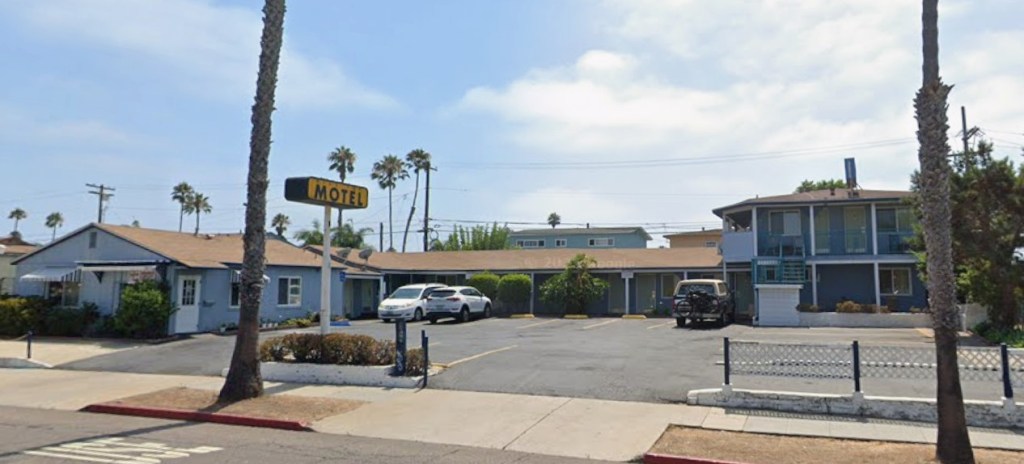
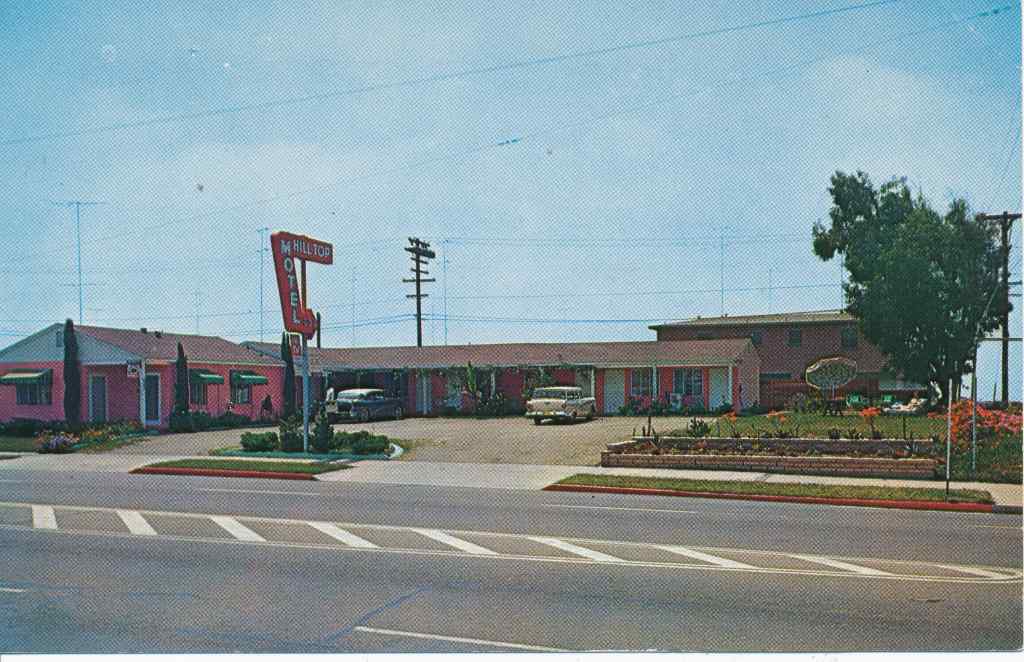
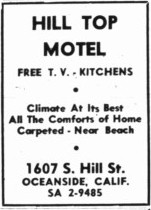


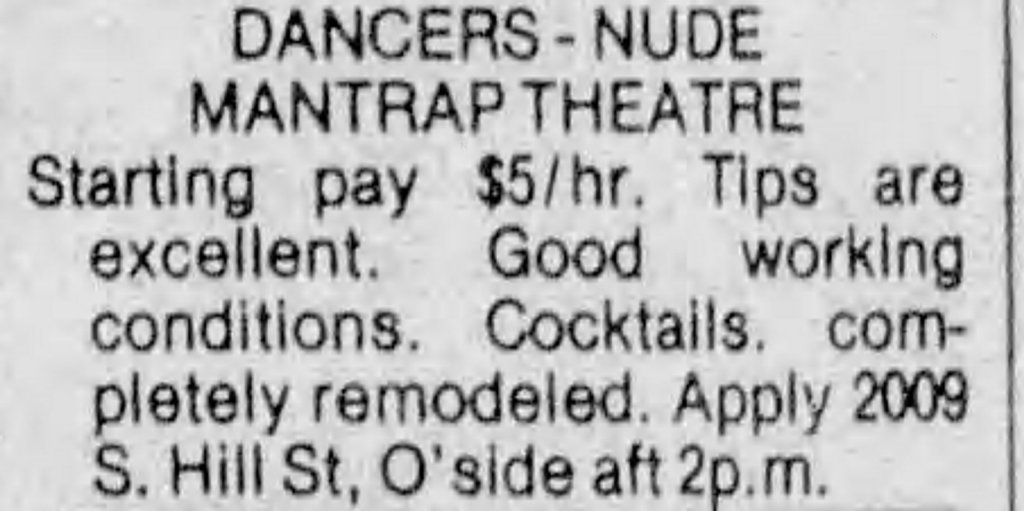
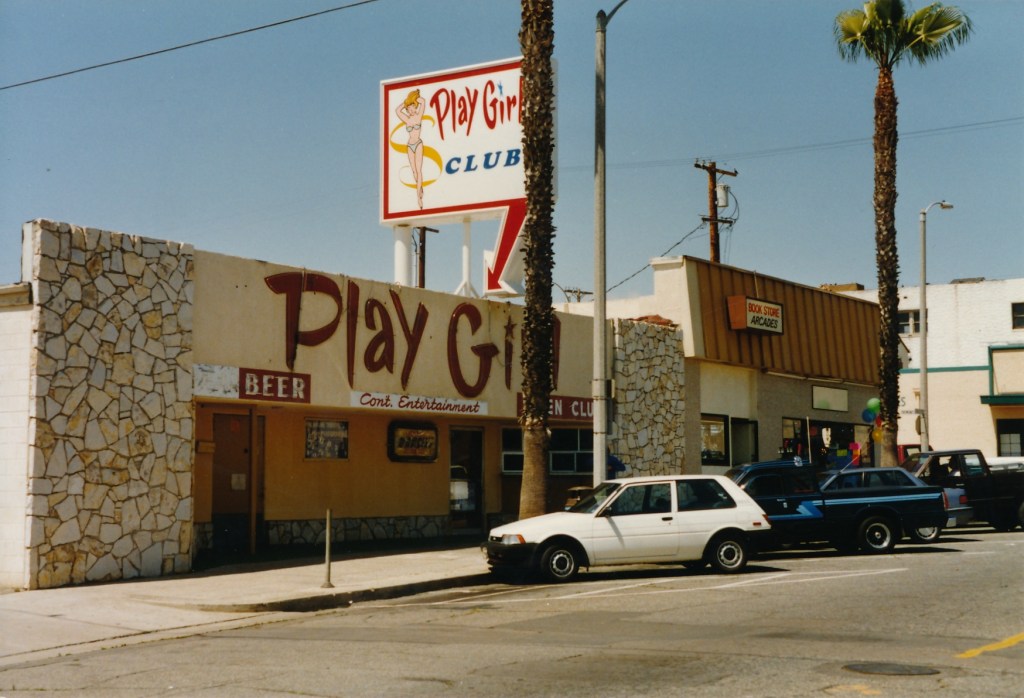


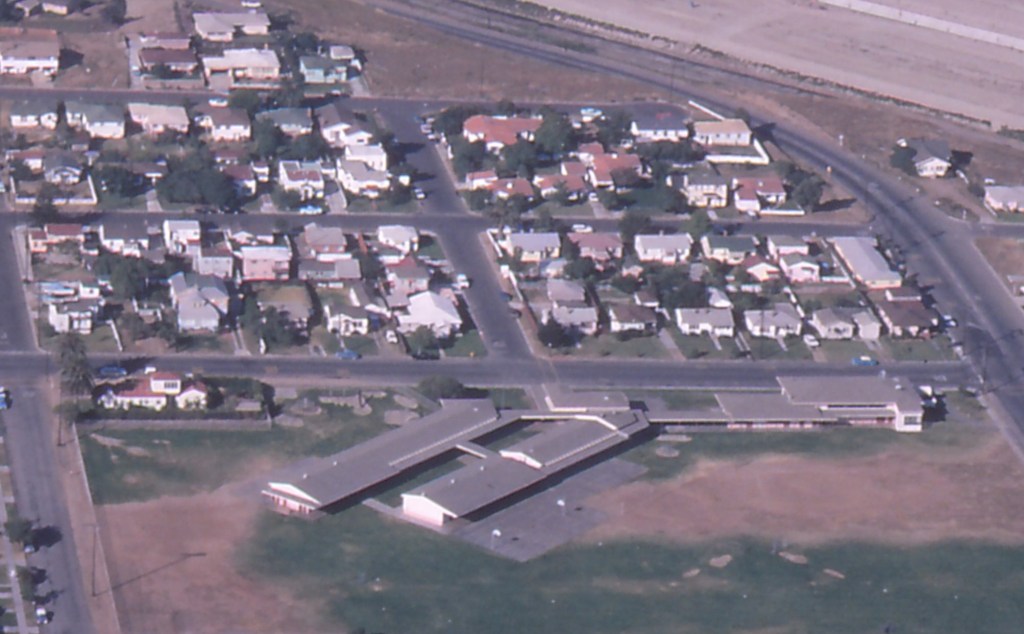


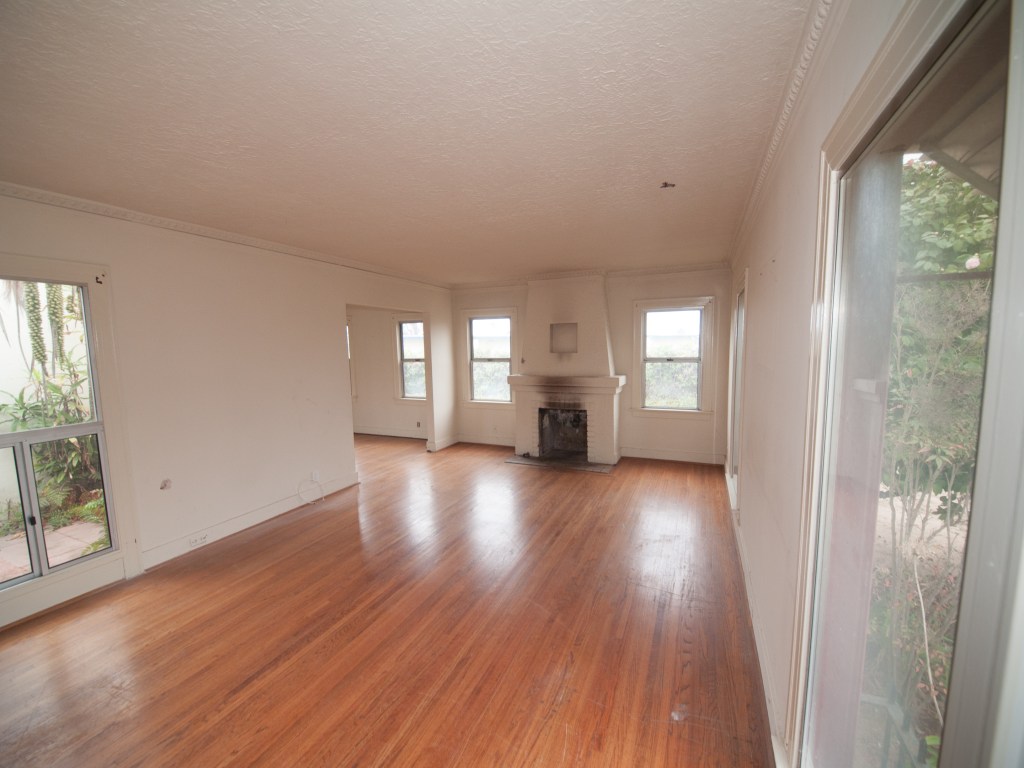


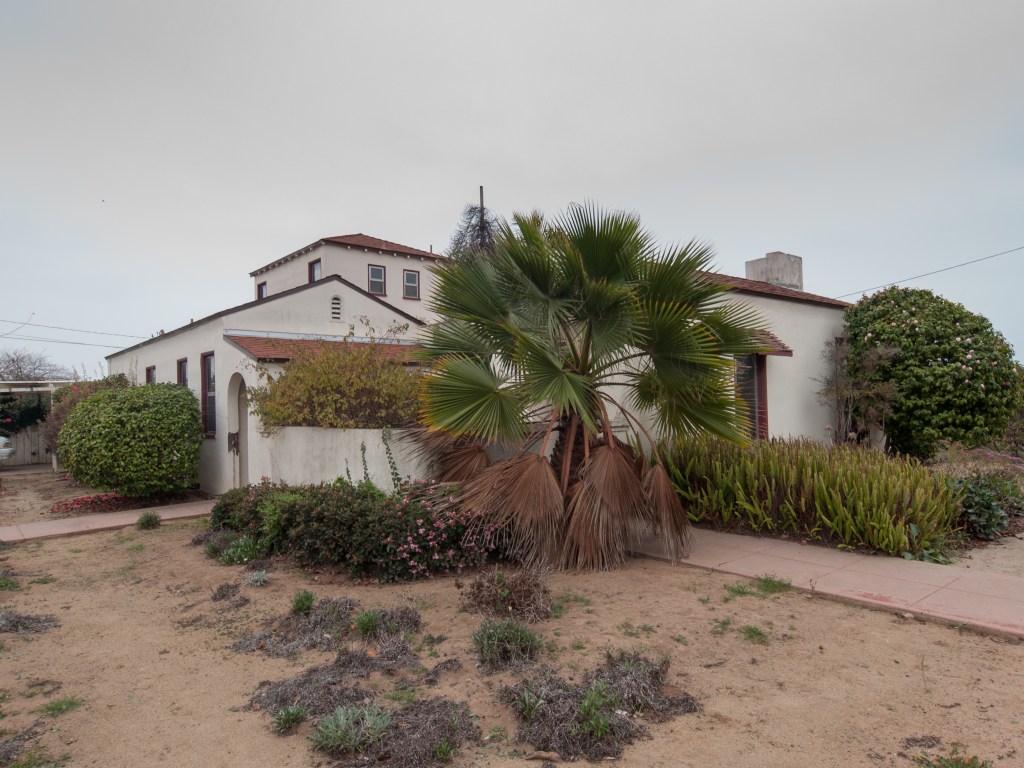


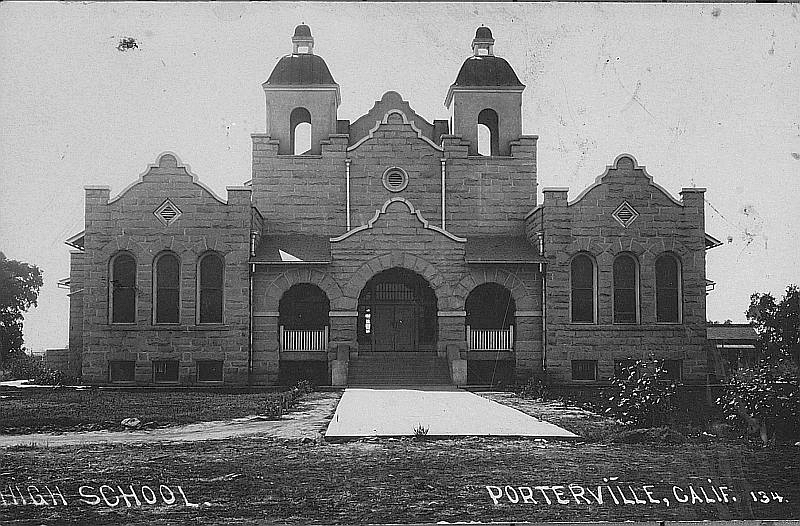


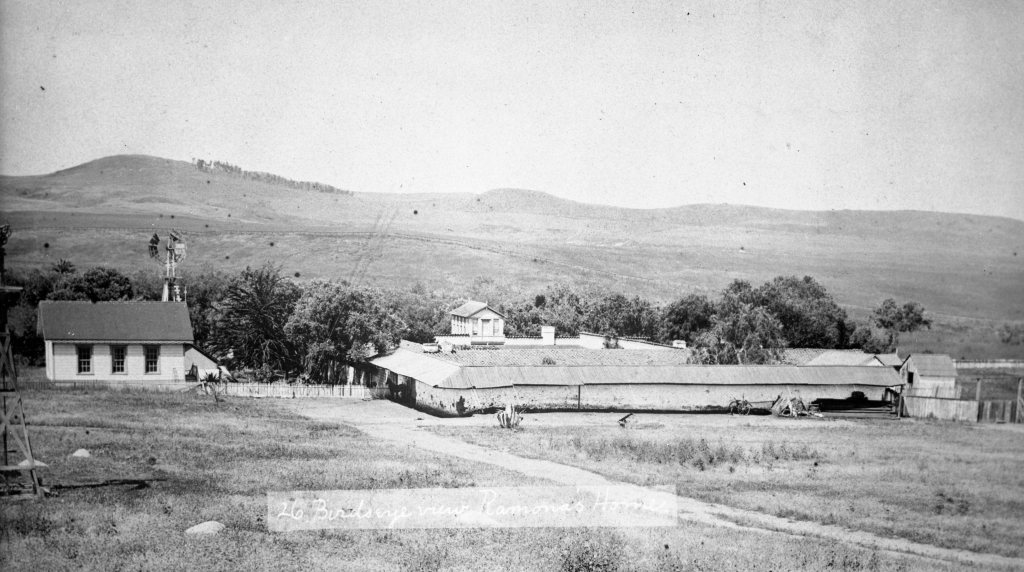


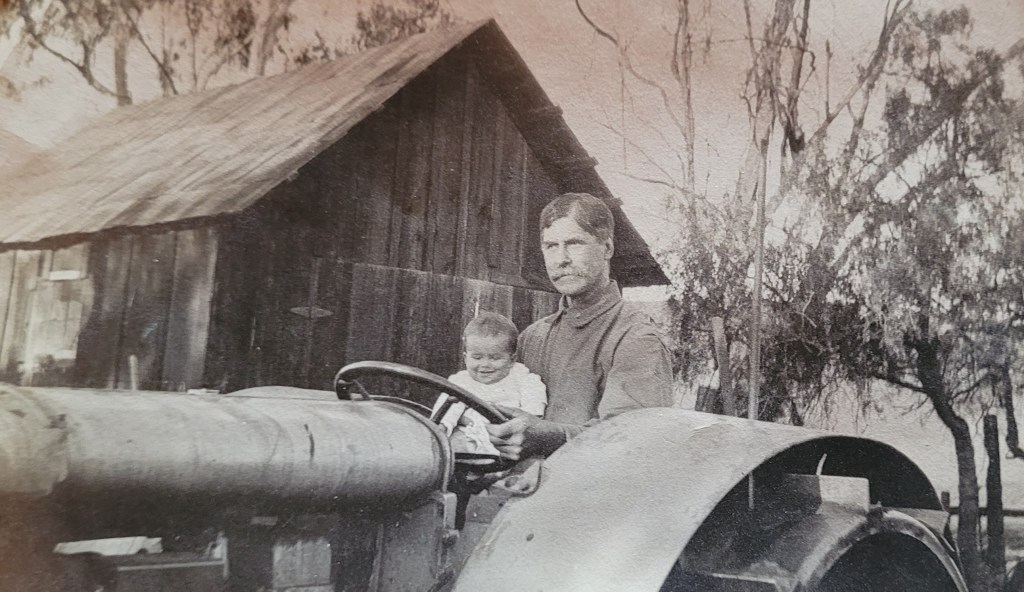
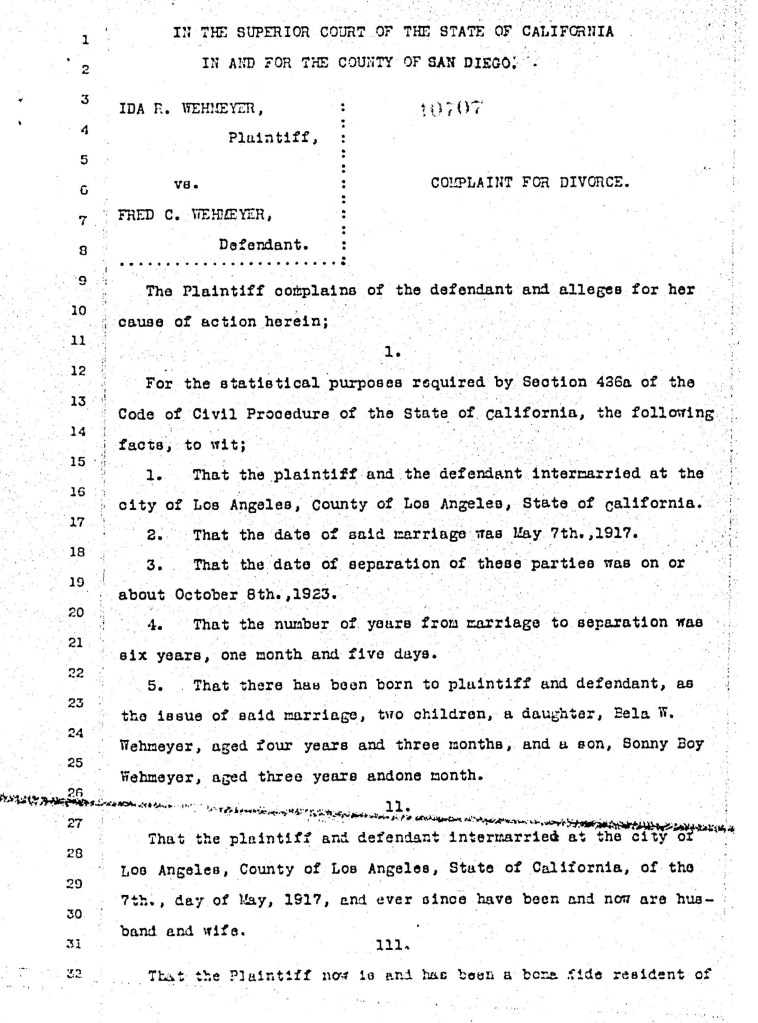
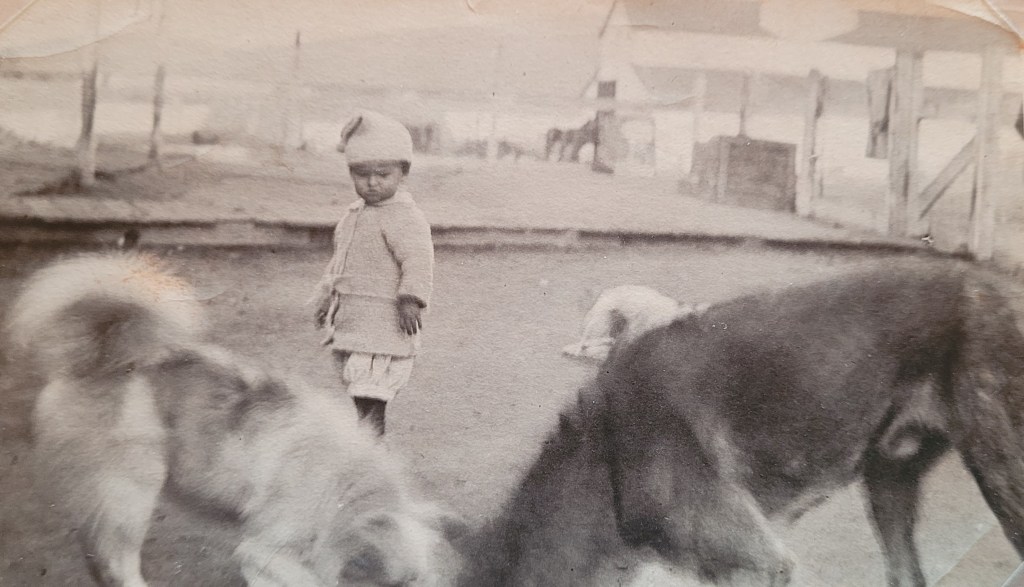
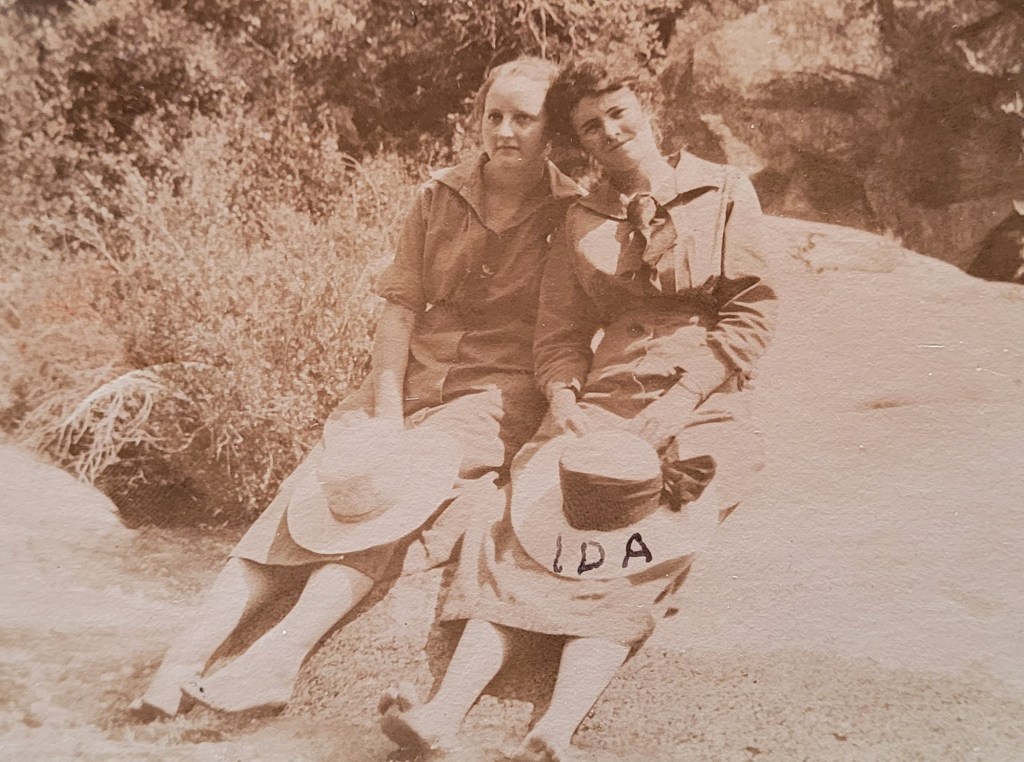
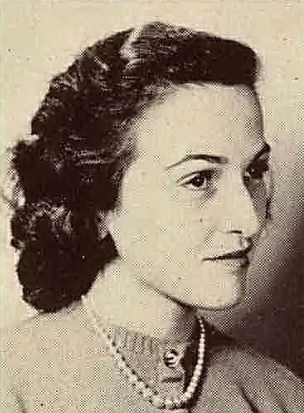

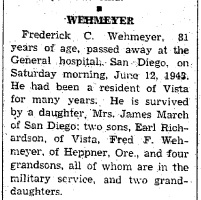
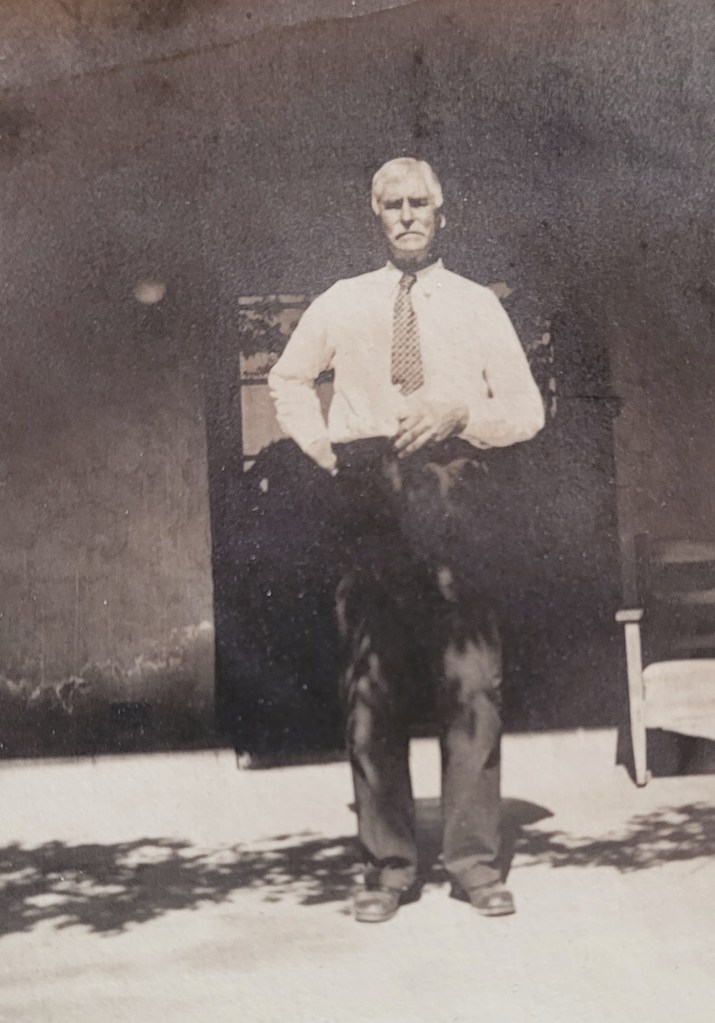


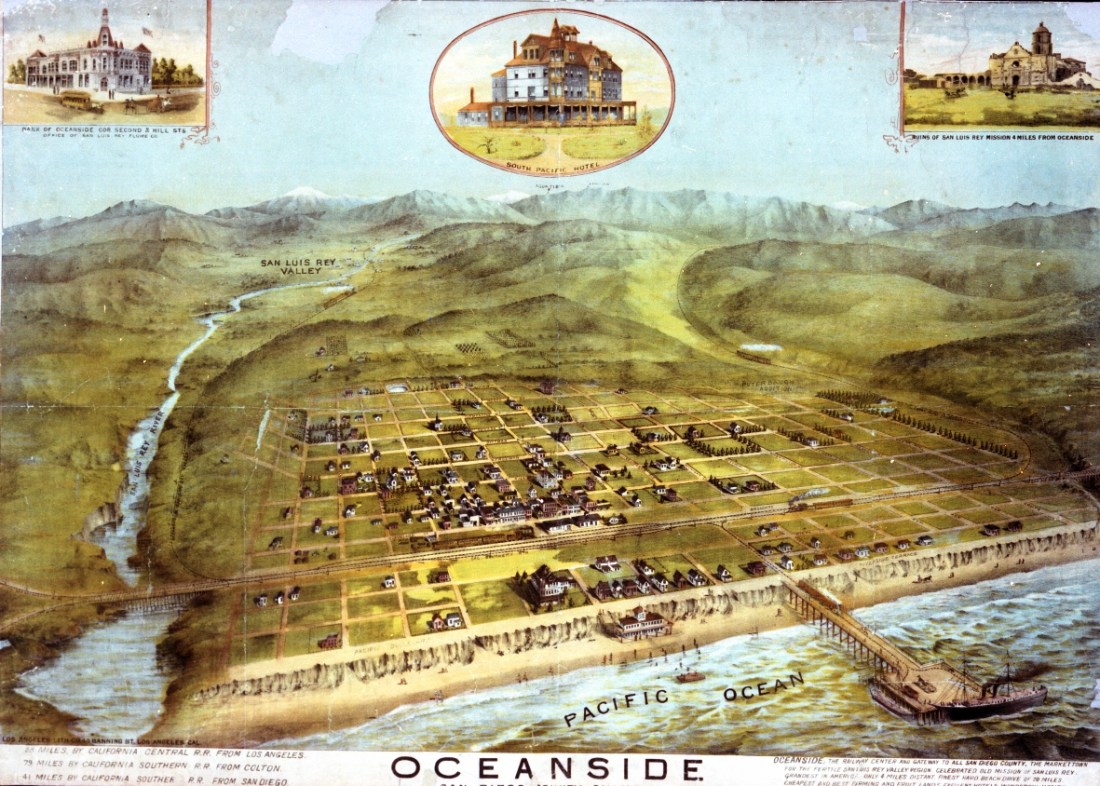


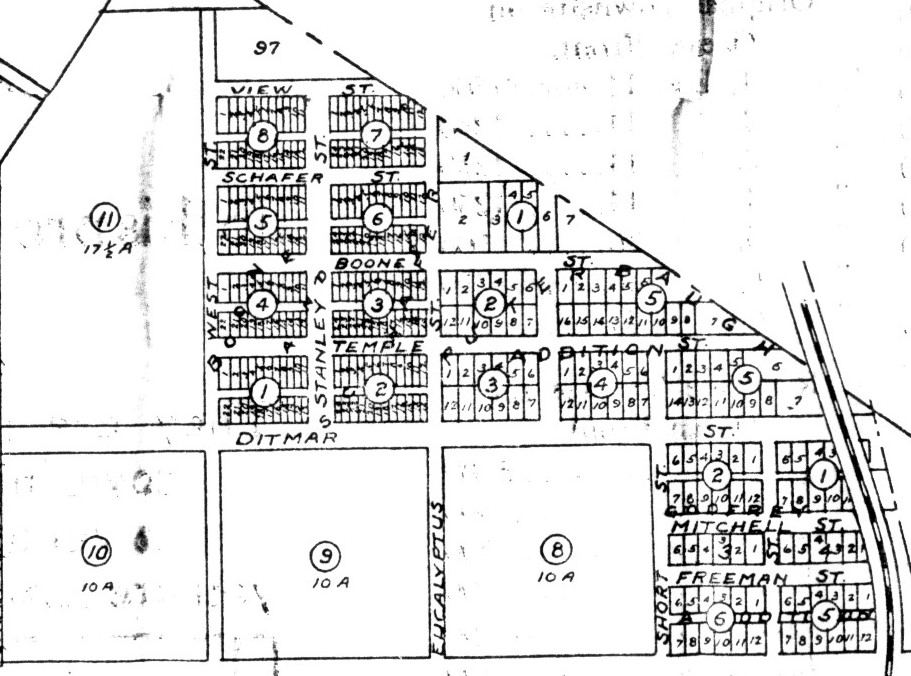

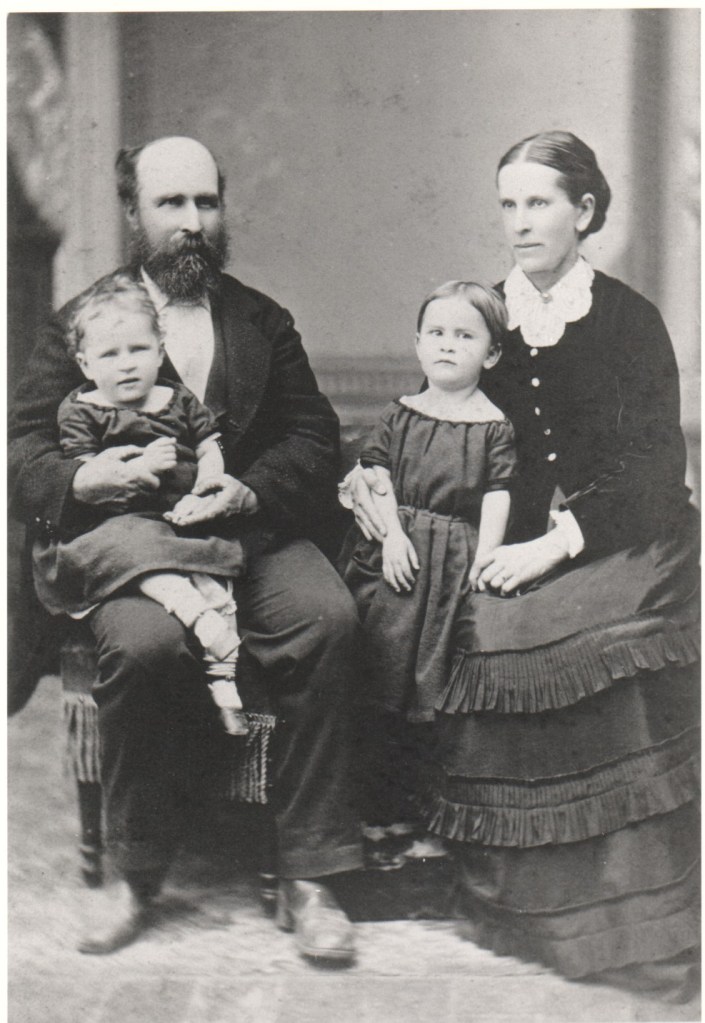
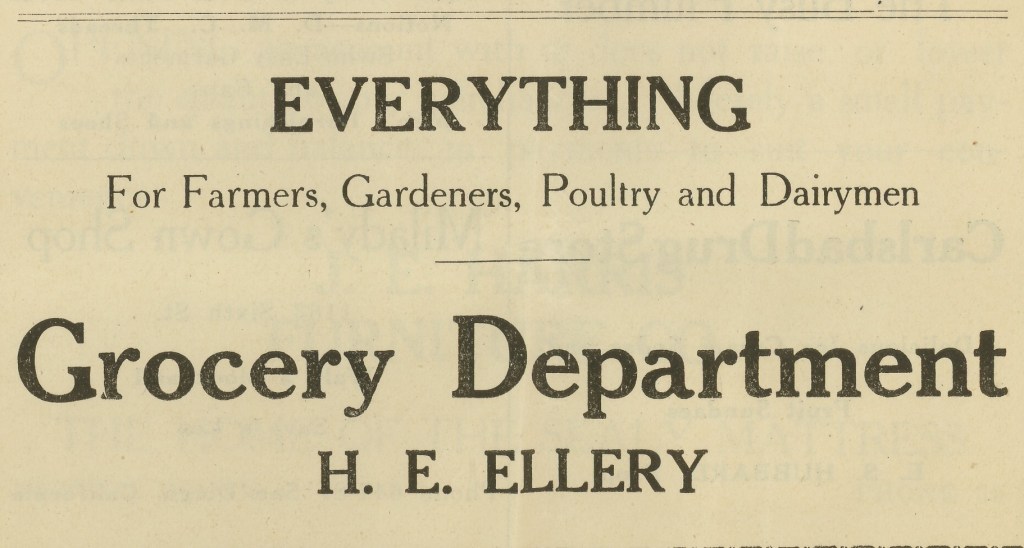


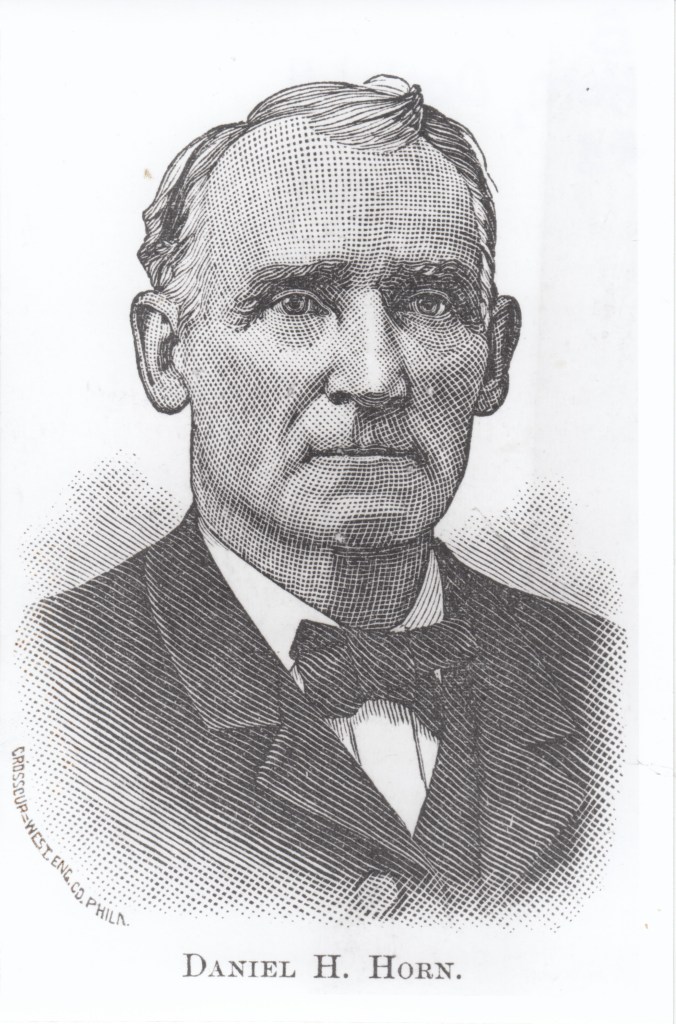



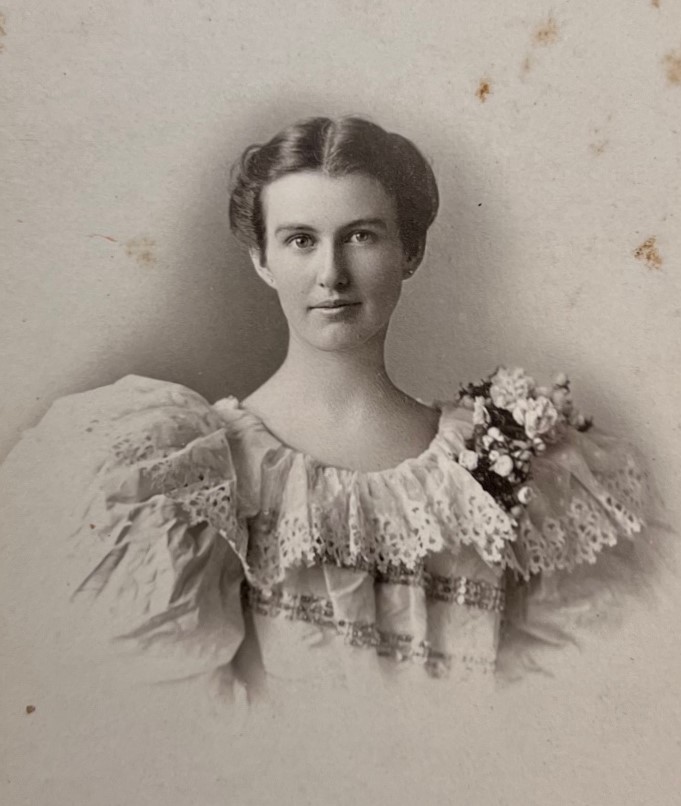
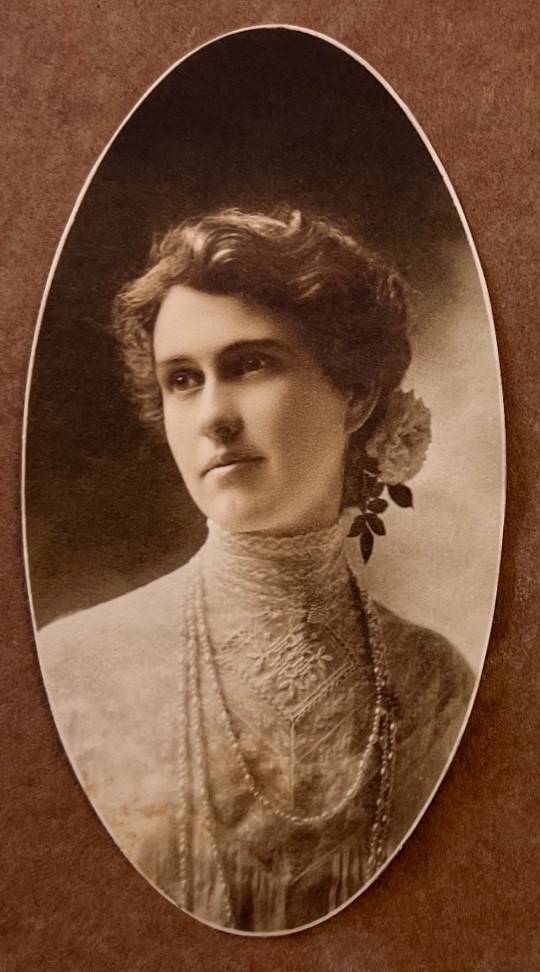


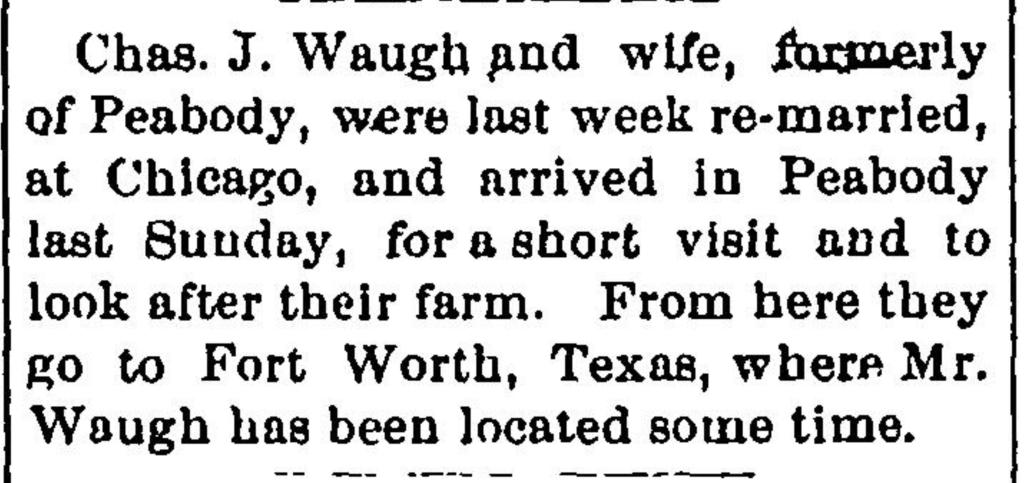


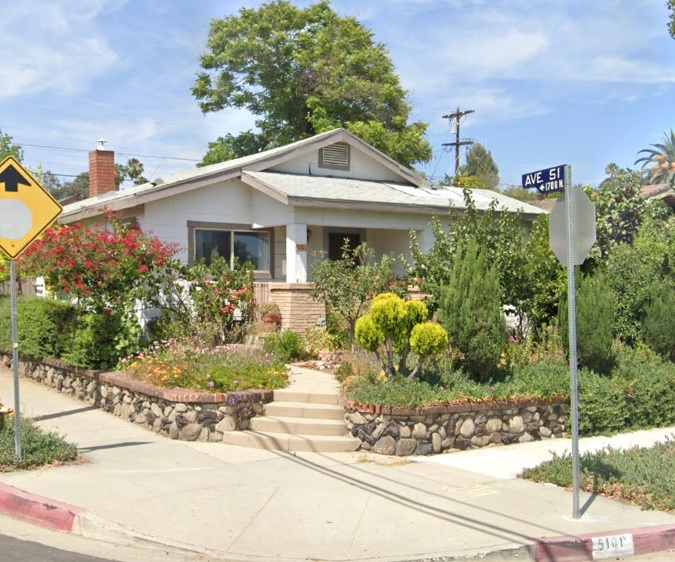


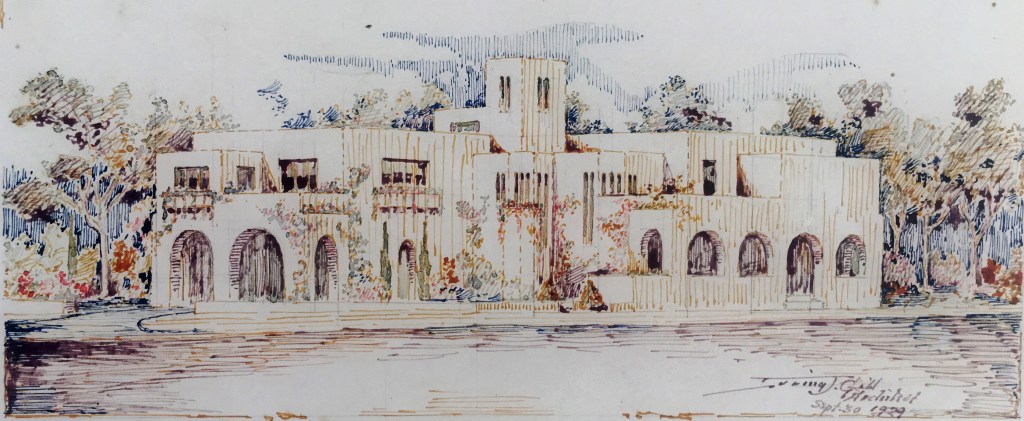


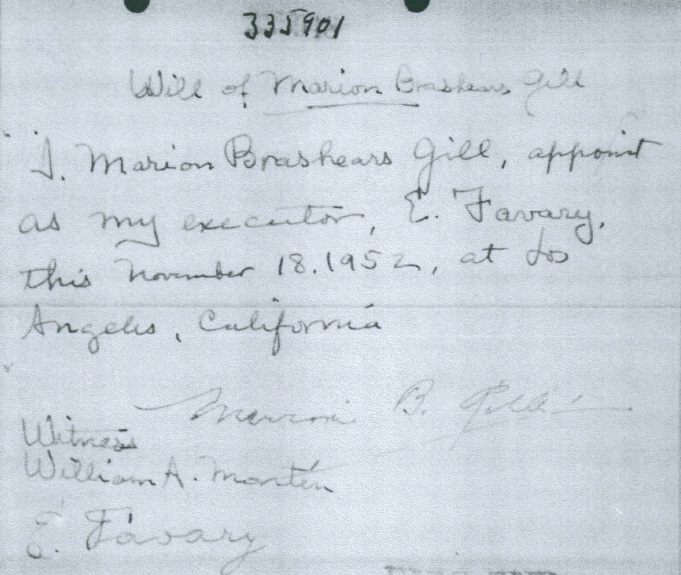
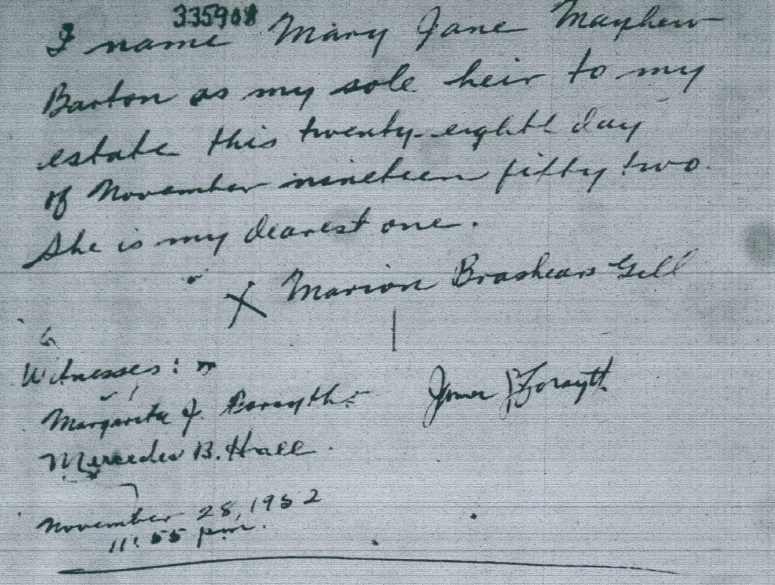
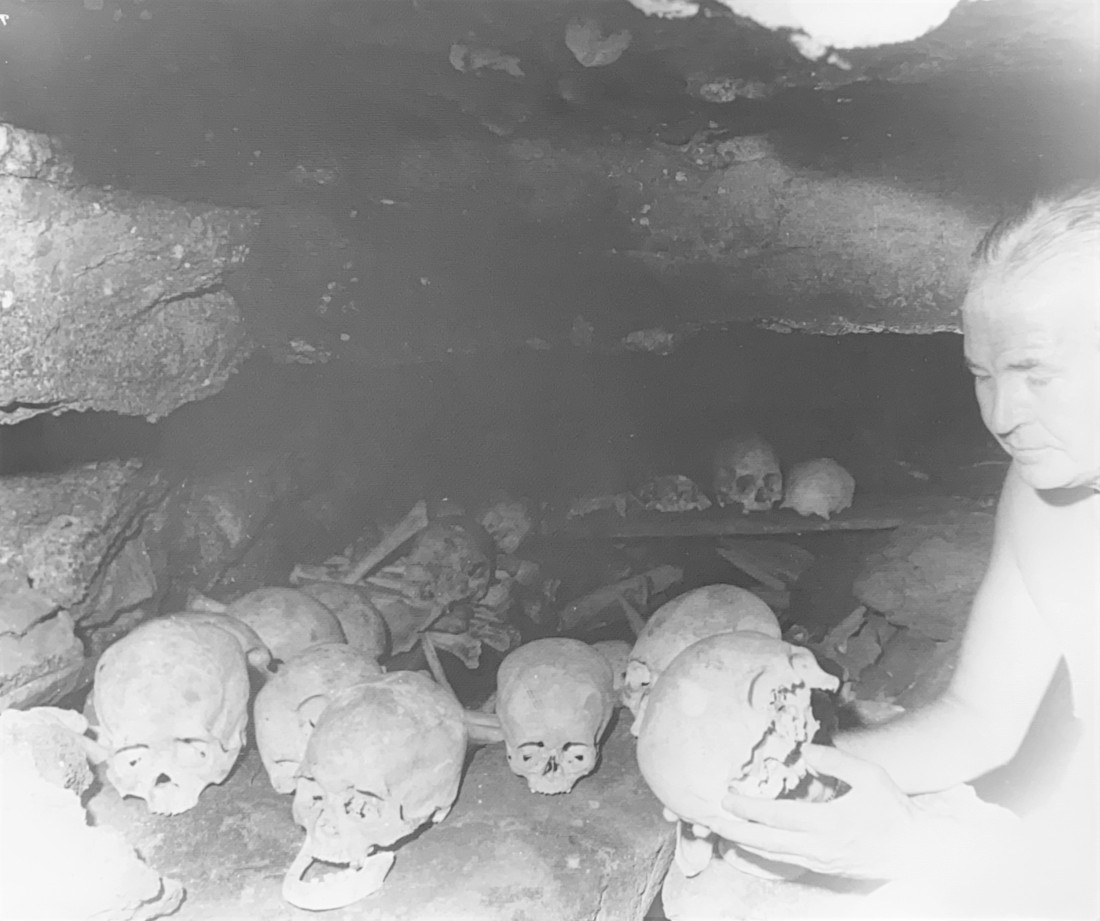


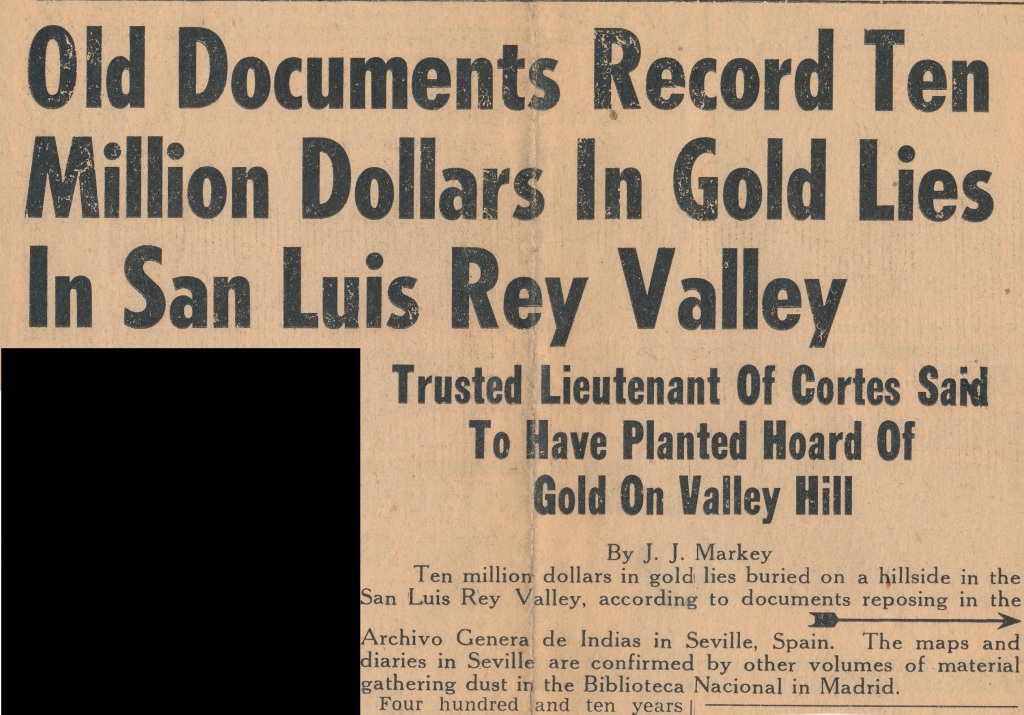


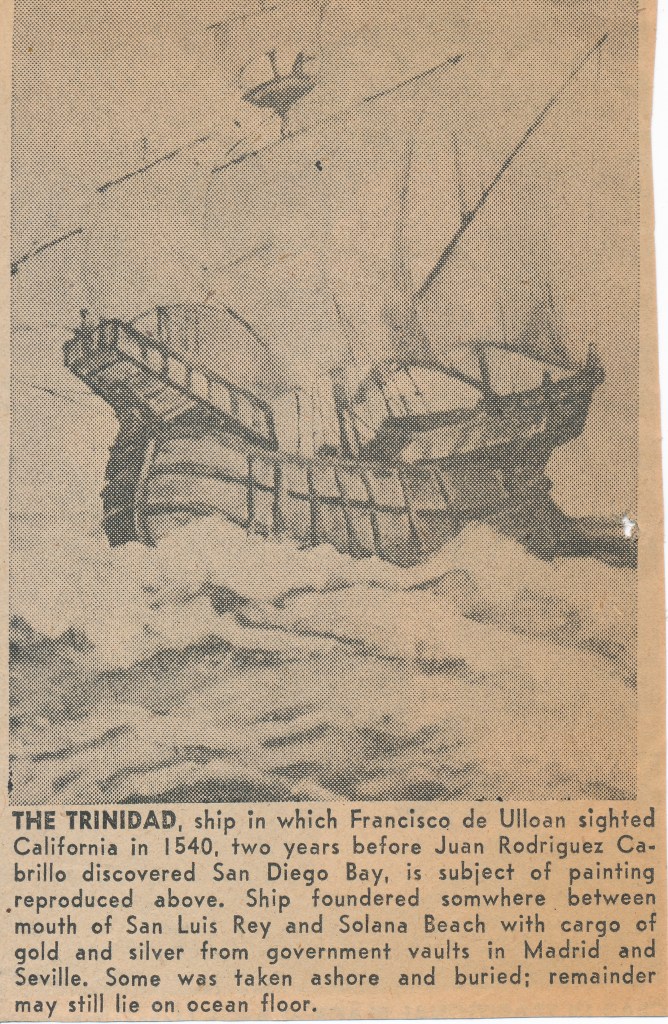
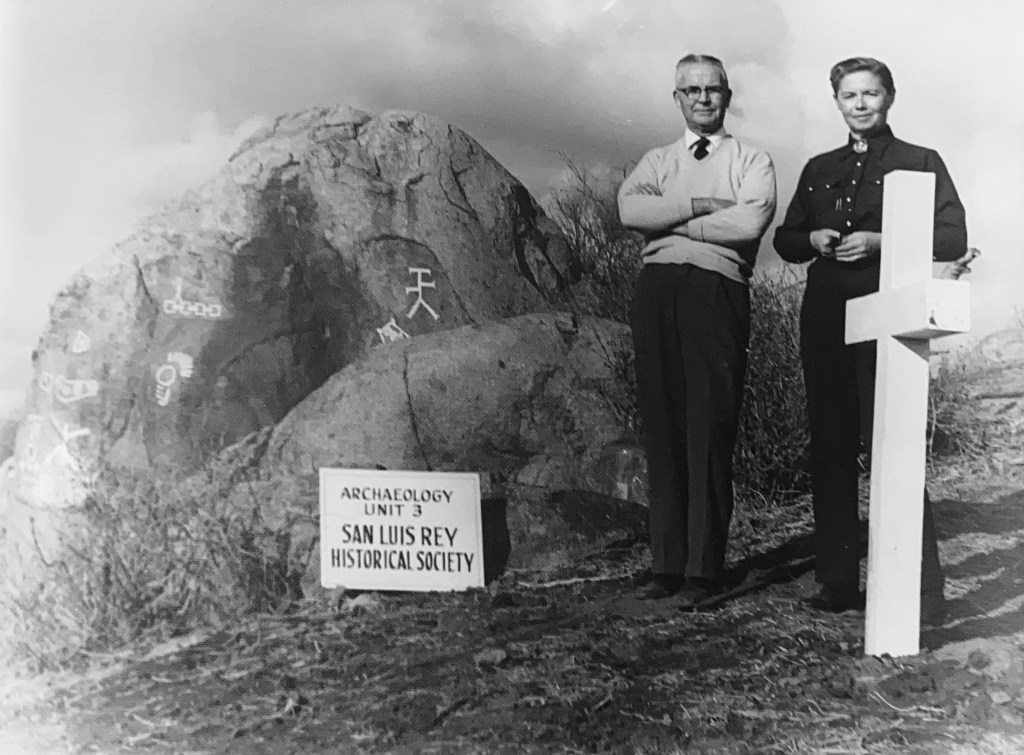
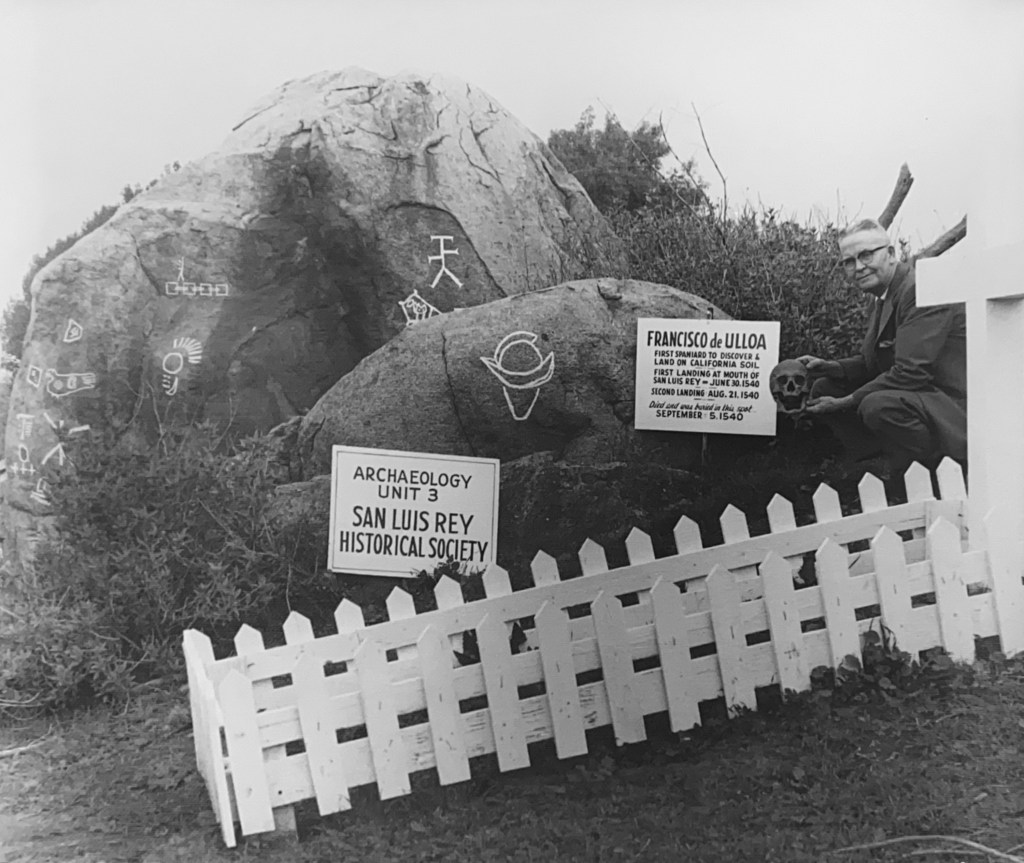


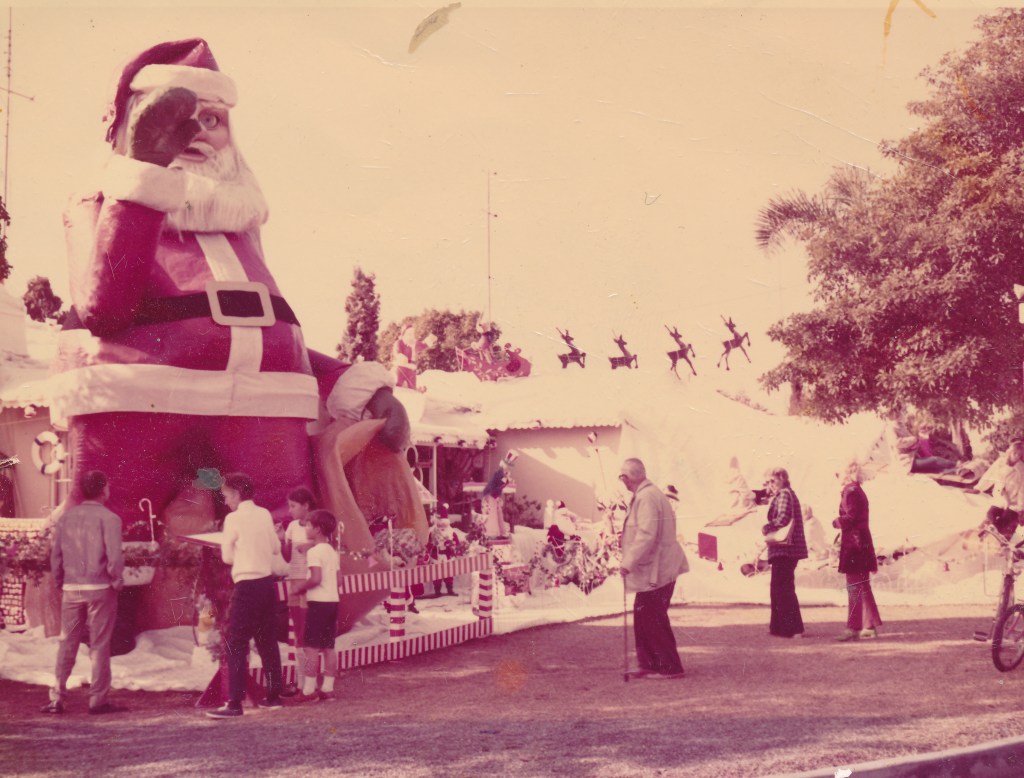


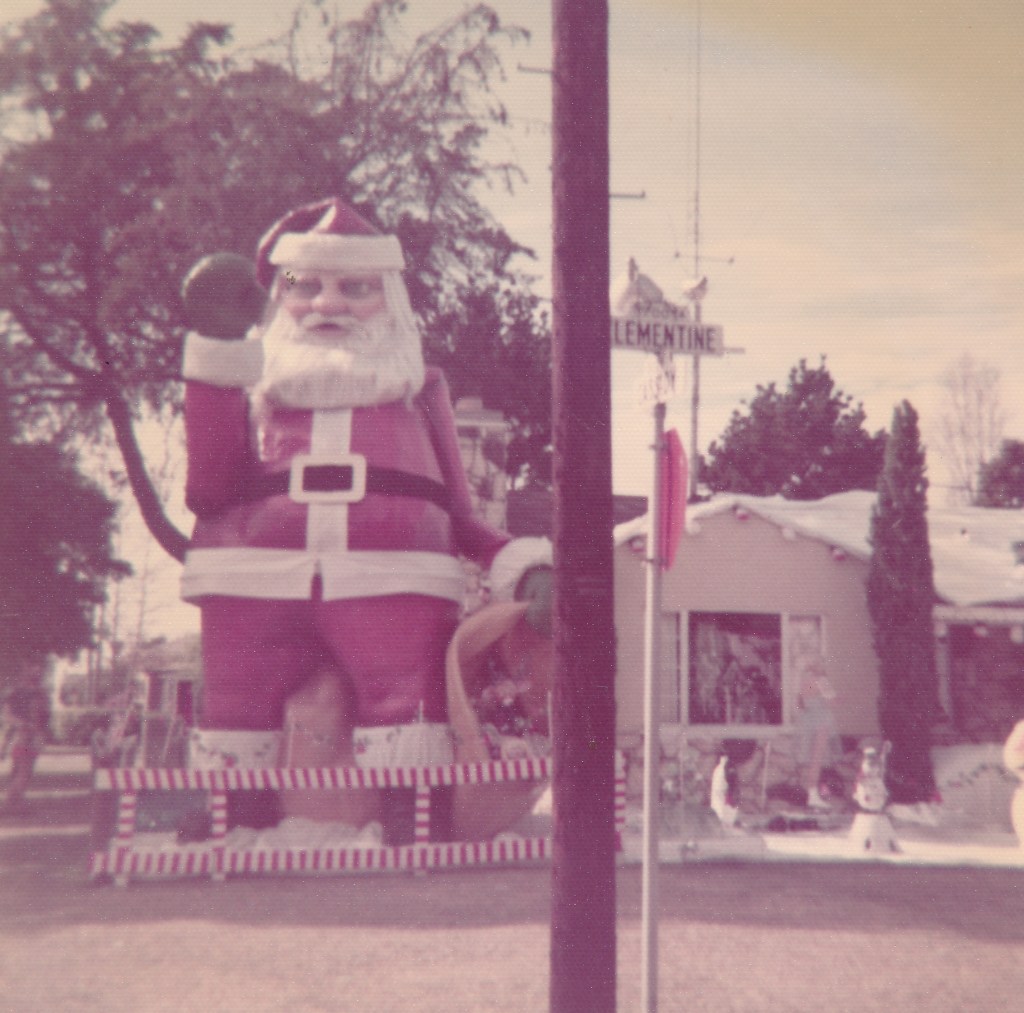


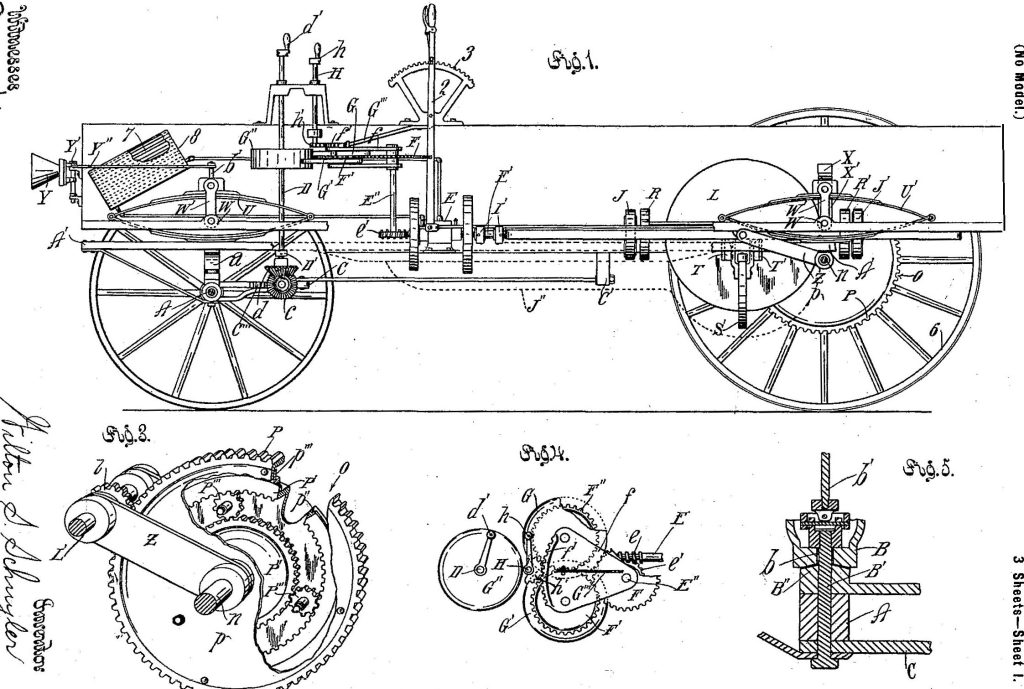


 Histories and Mysteries